
How to Choose the Right Asphalt Mix for Your Next Project
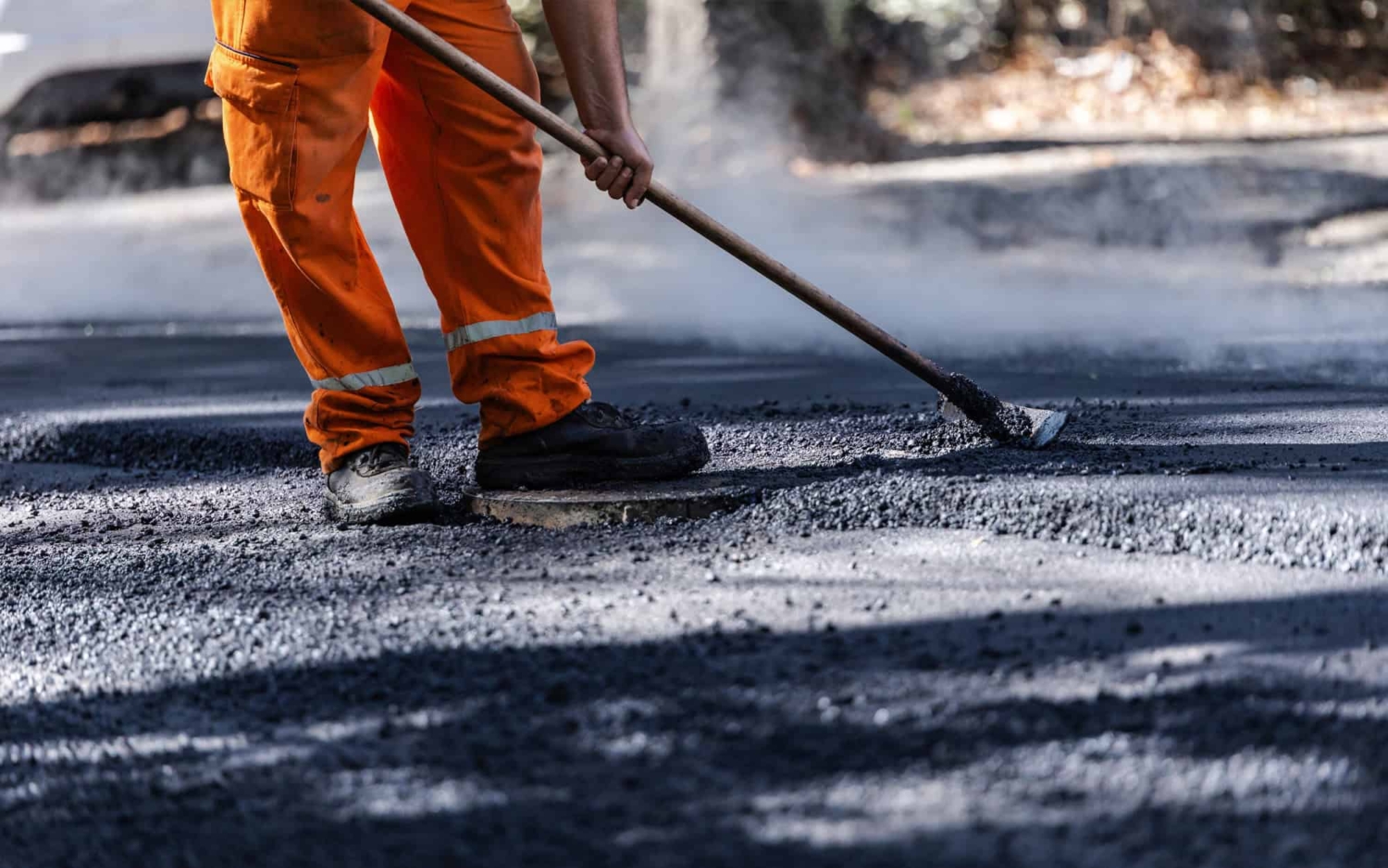 If you’re in the market for a paving contractor, knowing the basics about hot mix, warm mix, and cold mix asphalt can help you ask the right questions and ensure that your project is completed with the most suitable materials.
Making the Right Choice for Long-Lasting, High-Quality Pavement
When planning a paving project, whether it’s a new driveway, a parking lot resurfacing, or a roadway installation, it’s easy to assume that all asphalt is the same. However, the type of asphalt mix used can significantly impact the longevity, performance, and cost-effectiveness of your project.
Choosing the right mix is not just about durability—it also determines how well your pavement holds up under traffic, fluctuating weather conditions, and daily wear and tear. Different asphalt types are designed for different conditions, and understanding these differences can help you make an informed decision.
Why the Right Asphalt Mix Matters
The asphalt mix used for your project plays a crucial role in:
- Durability: Choosing the correct mix ensures your pavement remains structurally sound for as long as possible.
- Weather Resistance: Some mixes perform better in extreme heat or cold, while others are more suited for wet conditions.
- Traffic Load Handling: High-traffic areas need an asphalt mix that can withstand heavy vehicle loads without rapid deterioration.
- Cost-Effectiveness: The best mix balances upfront costs with long-term maintenance savings.
The wrong choice can result in cracking, potholes, poor drainage, and early pavement failure, leading to costly repairs or even a full resurfacing sooner than expected.
Breaking Down the Three Main Asphalt Mixes
Not all asphalt is created equal. Depending on the project, climate, and traffic conditions, different asphalt mixes provide different levels of durability, flexibility, and efficiency. The three primary types of asphalt mixes are hot mix asphalt (HMA), warm mix asphalt (WMA), and cold mix asphalt. Each serves a specific purpose, from long-lasting roadways and parking lots to quick, temporary repairs. Below, we’ll take a closer look at each type and when it’s the best option for your paving needs.
Hot Mix Asphalt (HMA): The Industry Standard for Durability
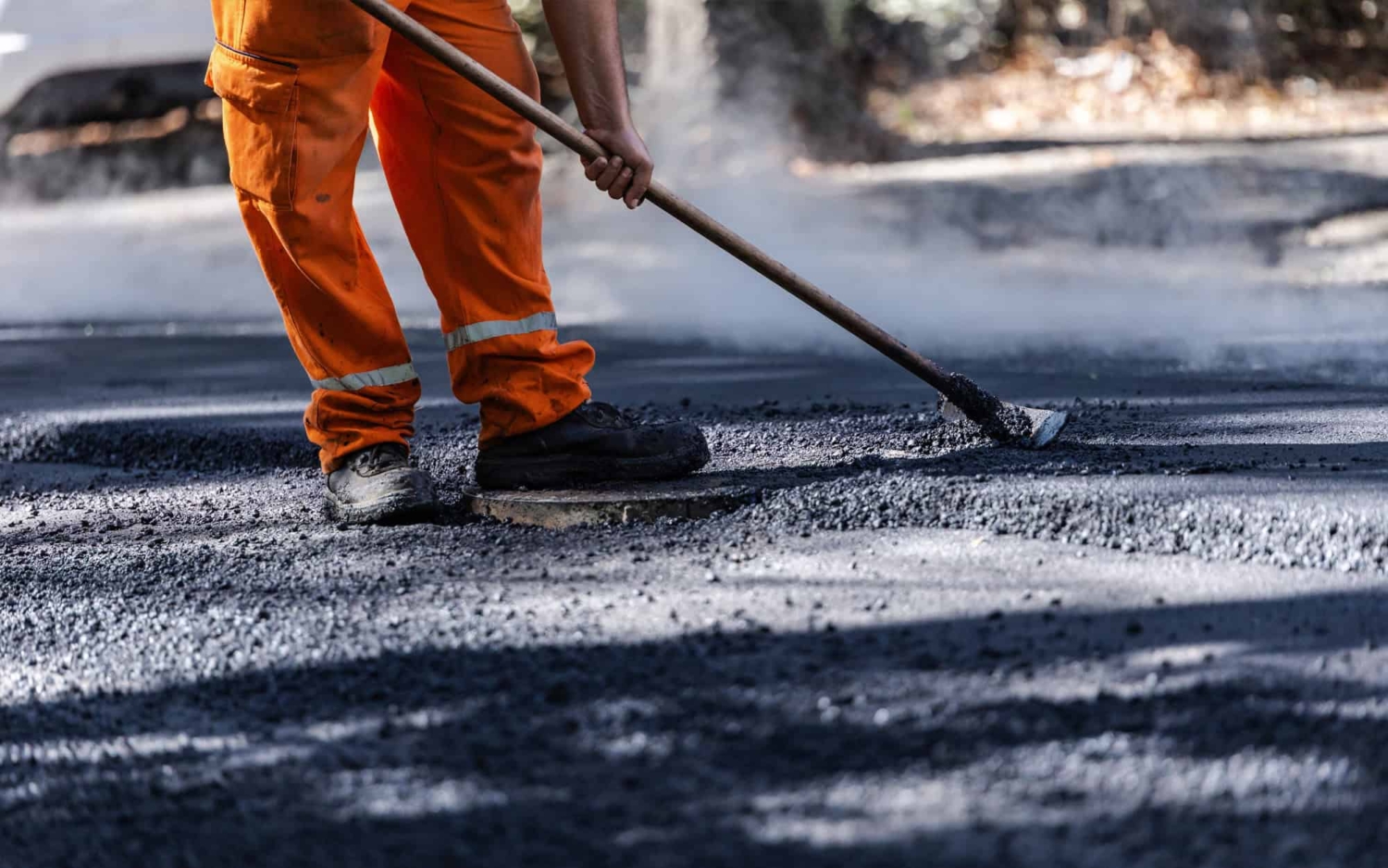
Hot Mix Asphalt (HMA) is the most widely used asphalt type for high-traffic roads, commercial parking lots, and residential driveways. Produced at high temperatures between 300–350°F, this mix remains pliable during installation, allowing it to be compacted tightly for a strong, durable surface. Once it cools, it forms a solid pavement that can handle extreme weather conditions and heavy loads.
When to Use Hot Mix Asphalt
If you need a new parking lot, a durable road surface, or a driveway that can withstand frequent use, HMA is likely the best choice. Its strength and smooth finish make it ideal for major roads, high-traffic commercial properties, and areas subject to heavy vehicle loads.
Key Benefits of HMA
- Highly Durable: Designed to withstand frequent traffic, weight pressure, and extreme temperatures, making it one of the longest-lasting asphalt options.
- Weather Resistant: Holds up well against Kansas City’s fluctuating seasons, from scorching summers to freezing winters.
- Smooth, Clean Finish: Provides a polished look that enhances the appearance and functionality of any paved surface.
Considerations for HMA
Despite its durability, HMA must be applied in warm, dry conditions to ensure proper installation. Cold temperatures can cause it to cool too quickly, making it difficult to work with during winter months. Additionally, HMA requires more energy to produce, which can result in higher upfront costs compared to other options.
Warm Mix Asphalt (WMA): A Sustainable, Energy-Efficient Alternative
Warm Mix Asphalt (WMA) is similar to HMA but produced at lower temperatures, typically between 200–250°F. By reducing heat requirements, WMA lowers fuel consumption and emissions, making it a more environmentally friendly option. Additionally, it stays pliable longer, which allows for extended transport times and greater flexibility during installation.
When to Use Warm Mix Asphalt
WMA is a great choice for projects where reducing environmental impact is a priority, as well as for areas that experience cooler temperatures during paving season. Because it remains workable longer, it’s also useful for projects that require asphalt to be transported over longer distances before installation.
Key Benefits of WMA
- More Sustainable: Reduces fuel use and lowers greenhouse gas emissions, making it an eco-friendly alternative to HMA.
- Extended Workability: Can be installed in cooler temperatures, providing greater flexibility in scheduling projects.
- Cost Savings Over Time: While initial material costs may be slightly higher, lower energy requirements can help offset expenses.
[/av_textblock]
[/av_one_full]
Considerations for WMA
While WMA offers many benefits, not all paving contractors offer it due to the specialized additives required to produce it. Additionally, it may have a slightly higher upfront cost than HMA. However, for those looking for an energy-efficient solution without sacrificing durability, WMA is a strong option.
Cold Mix Asphalt: The Quick-Fix Solution
Cold-mix asphalt is designed for fast, temporary repairs and does not require high temperatures for installation. Unlike HMA and WMA, cold-mix can be applied in wet or freezing conditions, making it ideal for pothole patching and emergency road repairs during the winter months.
When to Use Cold Mix Asphalt
Cold mix is best for short-term fixes, such as filling potholes or patching damaged surfaces. It’s commonly used for temporary repairs until a permanent resurfacing project can be scheduled.
[/av_textblock]
[/av_one_full]
Key Benefits of Cold Mix Asphalt
- Can Be Applied in Any Weather: Unlike hot or warm mix, cold mix can be laid in wet, freezing, or extreme conditions.
- Quick and Cost-Effective: Doesn’t require special heating equipment, making it a fast and budget-friendly repair option.
- Flexible and Adaptable: Adjusts to minor surface movements and helps prevent further damage until a permanent fix can be applied.
Considerations for Cold Mix Asphalt
Cold mix is not designed for long-term durability. It’s a temporary solution that won’t hold up under heavy traffic or extreme wear. If a permanent fix is needed, hot or warm mix asphalt is the better choice.
How to Choose the Right Asphalt Mix for Your Project
With multiple asphalt mix options available, selecting the best one depends on your specific project needs. A paving contractor will assess factors like weather conditions, traffic volume, and surface longevity to determine the best fit.
- If you need a strong, long-lasting surface for a commercial lot, road, or high-traffic area, hot mix asphalt is the best choice.
- If sustainability is a concern or you need flexibility for cooler weather paving, warm mix asphalt provides an energy-efficient alternative.
- If you need a fast repair solution for potholes or minor damage, cold mix asphalt is a reliable temporary fix.
Choosing the right asphalt mix is essential for long-term durability and cost savings. Phillips Paving specializes in customized asphalt solutions for residential, commercial, and industrial projects. Contact Us
Additional Factors to Consider When Choosing Asphalt
Here are some more factors you need to keep in mind when choosing an asphalt mix for your project:
Climate & Weather Conditions
Different asphalt mixes perform better in specific temperatures and weather conditions. Hot mix works best in warm, dry weather, while warm mix can be applied in cooler conditions. Cold mix is the only asphalt type that can be installed in freezing temperatures.
Traffic Volume & Load
Heavy traffic requires a thicker, more durable asphalt mix. Roads, parking lots, and industrial asphalt mix is designed to handle the expected load, while residential driveways may use a lighter mix to reduce costs.
Budget & Long-Term Value
While HMA is the most durable and widely used, WMA offers environmental benefits and long-term energy savings. Cold mix, though inexpensive, is not a permanent solution and requires frequent reapplications.
Get a Free Quote for Your Asphalt Paving Project
If you’re considering an asphalt paving project, Phillips Paving is here to help. With over 30 years of experience in Kansas City, we provide expert guidance and high-quality paving solutions for residential, commercial, and industrial properties. Contact us today to discuss your project and receive a free, no-obligation quote!
Asphalt Repaving Vs. Resurfacing: Your All-in-One Breakdown
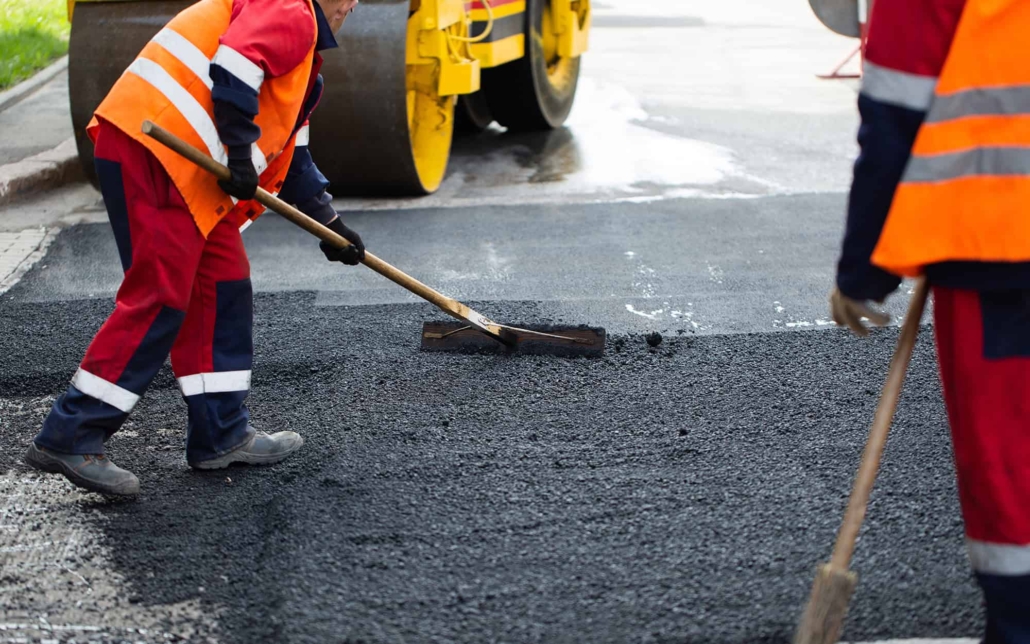 If you’ve noticed cracks, potholes, or uneven areas on your asphalt surface, you’re probably wondering whether it’s time for a complete replacement or if resurfacing can fix the problem. The right approach depends on factors like your asphalt’s overall condition, how old it is, and whether there’s any serious damage lurking beneath the surface. Making the wrong choice could lead to unnecessary expenses or repeated repairs in the not-too-distant future.
To help you decide, this guide digs into the differences between asphalt repaving vs. resurfacing, highlighting when each is most effective, how they differ in terms of cost and results, and what to keep in mind before making a final call.
Understanding the Basics: Repaving Vs. Resurfacing
Before diving into the specifics of when you should choose asphalt repaving vs. resurfacing, it’s helpful to understand the basic distinctions between the two.
Resurfacing involves placing a fresh layer of asphalt over an existing surface. This restores a relatively smooth and even finish without tearing out the entire pavement. However, it relies on the existing asphalt base being stable and generally free from serious structural damage.
Replacement (often called repaving) involves removing most or all of the old asphalt, and sometimes even repairing or rebuilding the base layers underneath. In other words, you’re starting from scratch. Although this can be more expensive and time-intensive, a complete replacement typically ensures that deeply rooted issues are addressed, creating a new foundation that can last for decades when maintained properly.
When Is Asphalt Resurfacing the Right Choice?
Resurfacing is often considered the “middle ground” between minor patching work and a full reconstruction. It typically involves milling away a small portion of the old asphalt, correcting any surface irregularities, and then installing a new layer on top. If your pavement looks worn but still has a solid foundation, resurfacing can restore its appearance and function without the steep cost of a full replacement.
A good candidate for resurfacing is an asphalt surface that has mild to moderate cracking or fading but hasn’t yet developed major potholes or deep structural flaws. In many cases, it’s an excellent option if your asphalt is less than 15 or 20 years old. By adding a fresh top layer, you can expect to extend the life of your pavement by another 10 to 15 years, assuming you keep up with routine maintenance afterward.
One of the biggest benefits of resurfacing is that the process is quicker and more affordable than a complete rebuild. Because you’re not ripping out all the asphalt and the underlying base layers, labor and material costs tend to be lower. Additionally, resurfacing typically means less downtime for heavily used areas like commercial parking lots or busy driveways. As soon as the new layer is installed and cools properly, you can get back to regular activities with minimal disruption.
Resurfacing, however, isn’t a cure-all. If there are major drainage issues or large cracks that run deeper than a couple of inches, simply putting a new top layer on might only mask the symptoms temporarily. That’s why it’s crucial to get a professional assessment that looks at the underlying base, drainage, and any structural problems that could undermine the resurfacing effort over time.
When Is a Complete Asphalt Replacement Necessary?
Although resurfacing pavement can address many cosmetic and superficial problems, there are times when a total rebuild is the only path to lasting improvement. This usually applies if your asphalt has deep cracks, widespread potholes, or foundational problems like serious drainage failures. In these cases, trying to patch or resurface the surface might provide only a short-term fix, and you could end up needing another major overhaul sooner rather than later.
A full replacement, or repaving, removes all or most of the existing asphalt. In many instances, workers will also repair or rebuild portions of the base layers, ensuring that the new pavement lies on a stable foundation. While this can be more of an upfront investment, the advantage is that it addresses root causes—like water infiltration, a poorly compacted base, or severe aging of the asphalt. Once the old surface is peeled away, you’re effectively starting fresh, which means the finished product can last 20 to 30 years with proper care.
Replacement is especially critical if your asphalt is more than 20 to 25 years old and has never undergone major rehabilitation. It also becomes necessary if you see multiple large cracks that extend well into the sub-base or if the pavement is riddled with potholes and depressions that keep reappearing, no matter how often they’re patched. Another situation that justifies a full rebuild is when drainage issues are so extensive that they can’t be corrected by minor adjustments to the surface.
Of course, replacement takes longer and may require more of a budget, but it gives you a clean slate. You’ll not only get a smoother, sturdier top layer but also the peace of mind that comes from knowing the substructure has been properly repaired or replaced.
Choosing between asphalt repaving vs. resurfacing can be tough. If you’re looking for professional guidance, visit our page on asphalt resurfacing solutions to find out if it’s the right choice for you.
Key Factors to Consider Before Making a Decision
Choosing between repaving vs. resurfacing depends on several factors:
Extent of Damage
If your asphalt mostly has superficial cracks or mild wear, resurfacing might be enough to give it a new life. Deep cracks, extensive potholes, or structural damage often call for full replacement.
Age of the Asphalt
Pavement that’s nearing or past the 20-year mark may be reaching the end of its natural lifespan. Resurfacing typically works best for surfaces that haven’t reached this threshold—or that still have a healthy base beneath them.
Underlying Base Conditions
A stable, well-compacted base is the foundation of a lasting pavement. If your base has been compromised by water infiltration or poor construction, no amount of resurfacing on top will solve the underlying issues. In that case, replacement is more appropriate.
Budget and Long-Term Goals
While resurfacing is usually less expensive, it won’t fix deep structural issues. If your goal is a long-term, worry-free surface, investing in a replacement could be the more economical solution over the lifespan of the pavement.
Drainage Concerns
Water is asphalt’s worst enemy. If your lot, driveway, or roadway struggles with standing water or poor runoff, a deeper correction might be required to prevent ongoing deterioration.
Putting It All Together: Which Option Is Best?
At the end of the day, deciding between resurfacing and replacement depends on a thorough evaluation of your existing asphalt. If the cracks are mostly on the surface and the foundation is stable, resurfacing can refresh your pavement at a fraction of the cost of a full rebuild. On the other hand, major structural damage or persistent problems like pooling water often make replacement the more prudent choice.
Don’t forget that either approach—resurfacing or replacement—will benefit from a solid maintenance routine. Regular sealcoating, timely crack repairs, and proper drainage all help to extend the life of your asphalt, whether it’s brand new or recently resurfaced. Think of maintenance as protecting your investment; the better you care for your asphalt, the longer it will last.
If you need personalized advice on whether resurfacing or replacement is right for you, reach out to Phillips Paving. With decades of experience and a focus on delivering durable, high-quality results, they’ll help you navigate your options and get the most from your asphalt investment. Contact them today for a thorough assessment and a customized plan that suits your property’s needs.
The Economic and Communal Benefits of Resurfacing Pavement
Did you know that resurfacing your pavement could do more than just improve its appearance? Discover the broader economic and communal benefits that asphalt resurfacing offers, from cost savings for municipalities to enhanced community prosperity.
Understanding the Value of Asphalt Resurfacing
Asphalt resurfacing is not just a maintenance task—it’s a strategic investment in infrastructure that yields significant returns both economically and socially. This process involves removing the top layer of existing pavement and applying a new layer, revitalizing the entire surface without needing a complete reconstruction. Resurfacing extends the lifespan of roads and driveways, enhances safety, and improves curb appeal, all while being more cost-effective than full pavement replacement.
For municipalities, property managers, and homeowners alike, understanding the value of resurfacing is crucial. It ensures that investments in infrastructure lead to long-term savings and benefits, contributing to the overall well-being of the community. Whether it’s a residential driveway or a bustling city street, maintaining asphalt through timely resurfacing can prevent the dizzying costs associated with severe deterioration and neglect.
Breaking Down the Economic Benefits of Asphalt Resurfacing
Resurfacing asphalt is not only a preventive measure but also a financially savvy decision that can impact broader economic factors. Here’s how investing in asphalt resurfacing can lead to substantial economic benefits:
How Municipalities Can Tap Into Resurfacing’s Cost Savings
Municipalities often face tight budgets, making cost-effective infrastructure solutions crucial. Asphalt resurfacing extends the life of roads at a fraction of the cost of total replacement. By opting for resurfacing, municipalities can defer complete overhauls and spread their budget further, addressing more roads and public areas. This proactive approach reduces long-term expenses by mitigating the need for frequent emergency repairs, which are often more costly and disruptive.
How Resurfacing Boosts Property Values
For homeowners and commercial property owners, the state of driveways and parking lots can significantly influence property values. A well-maintained and visually appealing asphalt surface enhances curb appeal, making properties more attractive to potential buyers or tenants. This improvement in aesthetic appeal can translate into higher property values and increased interest from prospective buyers, offering a solid return on the initial investment in resurfacing.
Why Fresh Pavement Can Spur Local Economic Activity
Well-maintained roads and pavements contribute more than just visual benefits; they also play a pivotal role in local economic activity. Improved road conditions facilitate smoother transportation for consumers, delivery services, and other stakeholders, making local businesses more accessible and reducing vehicle wear and tear. This accessibility can lead to increased foot traffic and spending, boosting the local economy and supporting small businesses.
The Community Advantages of Well-Maintained Pavements
Well-maintained roads and driveways do more than just enhance travel; they significantly contribute to the overall quality of life and safety in communities. Here’s how resurfacing pavement benefits the wider community:
Improved Safety
Smooth and even road surfaces reduce the risks of accidents for drivers, cyclists, and pedestrians. Resurfacing pavements eliminates hazards like potholes and cracks, which can cause damage to vehicles and are dangerous for cyclists and walkers. By preventing such issues, communities experience fewer traffic incidents and lower associated costs, from reduced emergency services response to fewer traffic disruption days.
Enhanced Aesthetics
A community with well-kept streets and clean pavements invariably feels more welcoming and cared for, which fosters a sense of pride among its residents. This aesthetic improvement can enhance the overall atmosphere of a neighborhood, encouraging residents to participate more actively in community activities and to maintain their own properties, thus lifting the community’s overall image.
Environmental Benefits
Resurfacing pavements can also directly impact the environment by improving surface runoff quality and reducing the amount of debris and pollutants entering the ecosystem. Well-maintained surfaces ensure proper drainage, which lessens the formation of puddles and potential flooding, thereby protecting local waterways from pollution runoff that can result from poorly maintained infrastructure.
Enhance Your Property and Community with Phillips Paving
Ready to see how resurfacing can transform your property and contribute to your community? Discover the comprehensive asphalt resurfacing services offered by Phillips Paving and take the first step toward boosting your property’s value and appeal.
Learn About Our Resurfacing ServicesWhat Is Resurfaced Asphalt?: Everything You Need to Know About Asphalt Pavement Resurfacing
Asphalt pavement resurfacing is a game-changer for home or property owners looking to extend the life of their driveways and parking lots. If you’re noticing cracks, potholes, or a faded surface, resurfacing might be the answer. In this blog, we’ll dive into everything you need to know about asphalt pavement resurfacing, from the benefits to the process, and how it can save you time and money.
An Introduction to Asphalt Pavement Resurfacing
Asphalt pavement resurfacing, often referred to as overlaying, is a method used to restore the surface layer of an existing asphalt pavement. Unlike full-depth reconstruction, which involves removing the entire pavement structure, resurfacing focuses on renewing the top layer. This process not only enhances the appearance of the pavement but also improves its functionality and lifespan.
The Benefits of Asphalt Resurfacing
Cost-Effectiveness
One of the most significant advantages of asphalt resurfacing is its cost-effectiveness. Compared to complete pavement replacement, resurfacing is much more affordable. It requires fewer materials, less labor, and less time, which translates into substantial savings. This makes resurfacing an attractive option for both residential and commercial property owners.
Enhanced Durability
Resurfacing strengthens the existing pavement by adding a new layer of asphalt on top. This new layer acts as a protective shield, safeguarding the underlying layers from damage caused by traffic, weather, and other external factors. As a result, the pavement becomes more durable and less prone to cracks and potholes.
Improved Aesthetics
A freshly resurfaced asphalt driveway or parking lot looks new and well-maintained. The smooth, dark surface enhances the curb appeal of your property, creating a positive impression on visitors and customers. Additionally, resurfacing allows for the reapplication of clear and visible markings, improving the overall functionality and safety of the pavement.
Time Efficiency
Resurfacing is a quicker process compared to full pavement replacement. This means less disruption to your daily activities and operations. For businesses, this can be particularly important, as it minimizes downtime and ensures that your parking lot or driveway is back in service as soon as possible.
Signs You Need to Resurface Your Asphalt Pavement
Identifying the right time to resurface your asphalt pavement is crucial to maximizing its benefits. Here are some common signs that indicate your pavement may need resurfacing:
Cracks and Potholes
Cracks and potholes are among the most visible signs of asphalt deterioration. If you notice a significant number of cracks or if potholes are becoming more frequent, it’s time to consider resurfacing. While minor cracks can be repaired, extensive cracking often requires a new surface layer to restore the pavement’s integrity.
Fading and Discoloration
Over time, exposure to sunlight, rain, and chemicals can cause the asphalt to fade and lose its rich, black color. This not only affects the appearance of your pavement but also indicates that the surface layer is wearing out. Resurfacing can restore the vibrant look of your asphalt and protect it from further damage.
Water Pooling
If water tends to pool on your asphalt surface after rain, it suggests that the pavement has lost its proper drainage capabilities. Standing water can accelerate the deterioration process by seeping into cracks and weakening the pavement structure. Resurfacing can address these drainage issues and prevent further damage.
Surface Roughness
A rough and uneven surface can make driving or walking on the pavement uncomfortable and unsafe. If your asphalt feels bumpy or uneven, resurfacing can provide a smooth and even finish, improving the overall usability of the pavement.
Age of the Pavement
Asphalt pavements typically last around 15-20 years, depending on the quality of installation and maintenance. If your pavement is approaching or has exceeded this age range, resurfacing can extend its lifespan and delay the need for a complete replacement.
Exploring The Asphalt Resurfacing Process
Understanding the resurfacing process can help you make informed decisions about your pavement maintenance. Here is a step-by-step overview of how asphalt resurfacing is typically carried out:
Step 1: Inspection and Assessment
The first step in the resurfacing process is a thorough inspection and assessment of the existing pavement. This involves identifying areas with significant damage, such as cracks, potholes, and drainage issues. Based on the assessment, a resurfacing plan is developed to address these problems and ensure a successful outcome.
Step 2: Cleaning and Preparation
Before resurfacing can begin, the existing pavement must be cleaned and prepared. This involves removing debris, dirt, and loose materials from the surface. Any major cracks or potholes are repaired to provide a stable base for the new asphalt layer.
Step 3: Milling (if necessary)
In some cases, milling is performed to remove the top layer of the existing pavement. This helps to create a smooth and even surface for the new asphalt layer to adhere to. Milling also helps to maintain proper drainage and ensure the longevity of the resurfaced pavement.
Step 4: Applying the Tack Coat
A tack coat is a thin layer of adhesive material applied to the prepared surface. This coat enhances the bonding between the old and new asphalt layers, ensuring a strong and durable connection. The tack coat is allowed to cure before the new asphalt is applied.
Step 5: Laying the New Asphalt Layer
The new asphalt layer is then laid over the prepared surface using specialized paving equipment. This layer is spread evenly and compacted to achieve a smooth and uniform finish. The thickness of the new layer depends on the specific requirements of the project and the condition of the existing pavement.
Step 6: Finishing and Compacting
After the new asphalt layer is laid, it is compacted using rollers to ensure proper density and stability. This step is crucial for preventing future issues such as cracks and potholes. Once the asphalt is compacted, the surface is finished to achieve a smooth and even appearance.
Step 7: Cooling and Curing
The resurfaced asphalt needs time to cool and cure before it can be used. This typically takes a few hours to a day, depending on the weather conditions and the thickness of the new layer. During this time, it’s important to keep traffic off the surface to prevent damage and ensure a successful outcome.
Discover Our Asphalt Solutions
At Phillips Paving Company, we offer a wide range of asphalt paving solutions to meet your needs. Whether you need resurfacing, repairs, or new pavement installation, our experienced team is here to help.
Learn More About Our ServicesHow to Find and Choose a Professional Resurfacing Partner
Finding the right professional resurfacing partner is essential for achieving high-quality results. Start by researching local companies with a strong reputation and positive customer reviews. Look for businesses that specialize in asphalt resurfacing and have a proven track record of successful projects. It’s also important to verify their credentials, such as licenses, certifications, and insurance coverage.
When evaluating potential partners, ask about their experience and expertise in asphalt resurfacing. Request to see examples of their previous work and inquire about the techniques and materials they use. A reputable company should be transparent about their process and willing to answer any questions you have.
Finally, consider getting multiple quotes to compare prices and services. While cost is an important factor, it shouldn’t be the only consideration. Focus on finding a company that offers a good balance of quality, reliability, and affordability.
Ready to Resurface Your Asphalt?
Phillips Paving Company is your trusted partner for all your asphalt resurfacing needs. With years of experience and a commitment to excellence, we ensure that your pavement looks great and performs even better. Contact us today to schedule a consultation and learn how we can transform your asphalt surfaces.
10 Signs You Need to Resurface Your Asphalt Driveway
Your driveway is one of the first things people notice about your home, and its condition speaks volumes about your property maintenance habits. Over time, wear and tear can take a toll on your asphalt driveway, leading to various issues that not only affect its appearance but also its functionality and safety. In this blog, we’ll explore the top 10 signs that indicate it’s time to resurface your asphalt driveway, ensuring it remains a smooth, durable, and attractive feature of your home.
Sign #1: Cracks and Crevices
Cracks are among the most obvious signs that your asphalt driveway needs attention. While slightly cracked asphalt might seem harmless at first, it can quickly expand due to temperature changes, water infiltration, and the weight of vehicles. Over time, these cracks can lead to larger problems, such as potholes and a weakened driveway structure.
Sign #2: Potholes
Potholes are not only unsightly but also pose a risk to your vehicle’s tires and suspension. They form when water seeps into cracks, freezes, and expands, causing the asphalt to break apart. If your driveway has one or more potholes, it’s a clear indication that resurfacing is necessary to prevent further damage and maintain a smooth driving surface.
Sign #3: Fading Color
Asphalt driveways are subjected to constant exposure to the sun’s UV rays, which can cause the surface to fade over time. A faded driveway not only looks unattractive but also indicates that the asphalt’s binder is breaking down, making it more susceptible to cracks and other forms of damage. Resurfacing can restore the vibrant, dark color of your driveway, improving its appearance and extending its lifespan.
Sign #4: Uneven Surface
An uneven driveway surface can result from various factors, including settling of the ground beneath the asphalt, heavy vehicle traffic, and improper installation. This unevenness can lead to water pooling, which accelerates deterioration and creates hazardous driving conditions. Resurfacing can level out the surface, ensuring proper drainage and a smoother driving experience.
Sign #5: Water Pooling
Water pooling on your driveway is a sign of poor drainage, which can lead to significant damage over time. Standing water seeps into cracks, causing them to widen and eventually form potholes. Additionally, water can erode the base layer of the driveway, leading to structural issues. Resurfacing can correct drainage problems by creating a more even surface that allows water to flow away properly.
Sign #6: Rough Texture
A rough, gritty texture on your driveway’s surface can indicate that the asphalt is deteriorating. This texture not only looks unappealing but also increases tire wear and reduces traction, making it potentially dangerous during wet or icy conditions. Resurfacing will smooth out the texture, providing a safer and more attractive surface.
Sign #7: Loose Gravel
If you notice loose gravel or aggregate on the surface of your driveway, it’s a sign that the asphalt is breaking down. This can happen due to weathering, traffic, or the natural aging process. Loose gravel not only detracts from the appearance of your driveway but also poses a hazard to vehicles and pedestrians. Resurfacing can bind the aggregate back into the asphalt, restoring a solid and stable surface.
Sign #8: Root Damage
Tree roots can cause significant damage to asphalt driveways, leading to cracks, upheavals, and uneven surfaces. If you have trees near your driveway, it’s essential to monitor for signs of root damage. Resurfacing can address these issues by providing a new, smooth layer over the affected areas, but it’s also important to manage the tree roots to prevent future damage.
Sign #9: Age of the Driveway
Asphalt driveways typically last 15 to 20 years, depending on various factors such as climate, usage, and maintenance. If your driveway is approaching or exceeding this age range, it may be time to consider resurfacing. An older driveway is more likely to develop cracks, potholes, and other issues that can compromise its integrity and appearance.
Sign #10: Frequent Repairs
If you find yourself constantly repairing cracks, potholes, and other issues on your driveway, it might be more cost-effective to resurface it. Frequent repairs can add up over time, and resurfacing provides a long-term solution that addresses the underlying problems, saving you money and hassle in the long run.
Is Your Driveway Showing Signs of Wear?
Don’t wait for minor issues to become major problems. Learn more about our asphalt resurfacing services and how they can restore your driveway’s condition and appearance.
Explore Asphalt Resurfacing ServicesExploring the Benefits of Resurfacing Your Asphalt Driveway
Resurfacing your asphalt driveway offers numerous benefits that go beyond simply fixing visible issues. Here are some key advantages of opting for resurfacing:
- Cost-Effectiveness: Resurfacing is a more affordable option compared to a full replacement. It addresses surface-level problems without the need for extensive excavation and rebuilding, saving you money.
- Improved Appearance: A freshly resurfaced driveway looks brand new, enhancing your property’s curb appeal and creating a positive impression on visitors and potential buyers.
- Extended Lifespan: By addressing cracks, potholes, and other surface issues, resurfacing extends the lifespan of your driveway, protecting your investment and delaying the need for a full replacement.
- Enhanced Safety: A smooth, even driveway surface reduces the risk of tripping, falling, and vehicle damage, providing a safer environment for your family and guests.
- Environmental Benefits: Resurfacing involves recycling the existing asphalt, reducing the need for new materials and minimizing environmental impact.
Understanding the Resurfacing Process
Understanding the resurfacing process can help you appreciate the value and benefits it offers. Here’s a brief overview of what to expect:
- Inspection and Cleaning: The first step involves inspecting the existing driveway to assess the extent of damage. The surface is then thoroughly cleaned to remove debris, dirt, and loose asphalt.
- Repairing Cracks and Potholes: Any cracks, potholes, or damaged areas are repaired to create a stable foundation for the new asphalt layer. This step ensures that the resurfacing process yields a smooth and durable result.
- Applying the New Asphalt Layer: A new layer of asphalt is applied over the repaired surface. This layer adheres to the existing pavement, creating a seamless and robust surface that can withstand traffic and weathering.
- Compacting and Finishing: The new asphalt layer is compacted to ensure proper adhesion and a smooth finish. The surface is then allowed to cure, after which it is ready for use.
How to Find and Choose a Professional Resurfacing Partner
Selecting the right professional for your asphalt resurfacing project is crucial to ensuring high-quality results and long-lasting benefits.
Start by looking for a company with extensive experience in asphalt resurfacing, as experienced professionals are more likely to deliver superior workmanship and handle unexpected challenges effectively. It’s also important to ensure the company is properly licensed and insured. Licensing indicates that they meet industry standards and regulations, while insurance protects you from liability in case of accidents or damage during the project.
Researching the company’s reputation is another key step. Read online reviews and testimonials to gauge the satisfaction of previous clients. Positive feedback from past projects is a strong indicator of reliability and quality. You can also ask for recommendations from friends, family, or neighbors who have had similar work done.
Finally, evaluate the company’s customer service by contacting them with questions or concerns. A professional and responsive team will prioritize your needs and provide clear communication throughout asphalt crack repair or other projects.
By considering these factors, you can find a professional resurfacing partner who will deliver exceptional results and ensure your asphalt driveway remains in top condition for years to come.
Contact Phillips Paving Today
Is your driveway showing signs of wear? Don’t wait for the damage to worsen. Contact Phillips Paving today to learn more about our asphalt resurfacing services and how we can help you restore the beauty and functionality of your driveway.
The Benefits of Asphalt Resurfacing
When roadways and parking lots reveal the wear of time and traffic, asphalt resurfacing stands out as an efficient, resilient method of restoration. But what exactly does this option entail, and what makes it such an attractive option for property managers? In this blog, we’ll take a closer look at asphalt as it’s used as a material, examine the pros and cons of asphalt resurfacing, and more.
Taking A Closer Look at Asphalt Resurfacing
Unlike full pavement reconstruction, asphalt resurfacing lays a new layer over existing asphalt layers. This method not only extends the life of the pavement but also revitalizes the surface while maintaining the original foundation. Aesthetics and functionality return without the higher costs and longer downtimes of replacement.
Understanding the Asphalt Resurfacing Process
The journey to a renewed surface starts with thorough cleaning and repairing the existing pavement. Next, professionals apply a new layer of asphalt, which adheres to the old one, creating a seamless, robust surface ready to endure traffic and weathering.
Highlighting the Cost-Effectiveness of Asphalt Resurfacing
Asphalt resurfacing stands out among pavement repair options for its balance between affordability and performance. When comparing resurfacing methods, the upfront and long-term financial implications are a huge factor. Asphalt resurfacing not only requires a lower initial investment but also promises reduced maintenance expenses over time.
Comparing Asphalt Resurfacing With Other Resurfacing Options
Concrete and paving stones are frequently considered for resurfacing projects, yet they often present higher costs both in direct expenditures and ongoing maintenance. Unlike these materials, asphalt is remarkably cost-efficient due to its less extensive preparation needs and swifter application, leading to lower labor expenses.
Understanding Material and Labor Costs
Asphalt’s raw materials are generally more budget-friendly when contrasted with alternatives. Moreover, the process of laying asphalt is less labor-intensive compared to other materials such as concrete, where curing time extends the duration of the project, hence increasing labor costs.
The Durability and Longevity Enhancements of Asphalt Resurfacing
Asphalt resurfacing does more than just improve the aesthetics of pavement; it significantly enhances the durability and lifespan of the underlying structure. This process involves applying a new layer of asphalt over the existing pavement, which not only covers damages but also fortifies the surface against future wear and tear.
Extending Pavement Life with Resurfacing
By resurfacing, the life of the pavement extends considerably. A well-executed asphalt resurfacing project can add years to the pavement’s service life. This is due to the additional layer’s protection against the stresses of traffic and the environment.
Resistance to Damage and Crack Formation
Asphalt resurfacing increases the pavement’s ability to withstand heavy loads and traffic without cracking. The new layer acts as a shield, dispersing weight and reducing the strain on the pavement. This resistance translates to fewer repairs and a more stable surface long-term.
The Appearance Benefits of a Resurfacing
Asphalt resurfacing transforms aging pavement into a pristine driving surface. The sight of freshly laid asphalt creates a visual impression of newness and well-maintained infrastructure. For businesses, this aesthetic upgrade supports branding efforts, subtly communicating to customers that the establishment cares about its outward image and customer experience.
Exploring the Aesthetic Improvements of Fresh Resurfacing
The fresh, dark color of new asphalt presents a stark contrast to the often faded and cracked surface it replaces. Such aesthetic improvements not only rejuvenate the pavement’s appearance but also mark line stripes and traffic markings more visible, leading to a better navigational experience for drivers and pedestrians alike.
How Maintenance Can Influence Perception
Resurfaced asphalt conveys diligence in property upkeep, fostering a positive perception among visitors or patrons. A well-maintained parking area or driveway suggests proactive management, which can inspire confidence and increase the likelihood of repeated patronage or tenancy.
Understanding Increased Appeal for Commercial Parking Areas
The condition of parking areas significantly impacts customer decisions regarding where they choose to shop or conduct business. Smooth, visually pleasing asphalt can directly affect a commercial property’s curb appeal, inviting more foot traffic and potentially enhancing revenue streams.
Ready to Enhance Your Property with Asphalt Resurfacing?
Investing in asphalt resurfacing from Phillips Paving not only revitalizes worn-out surfaces but also enhances property appeal and value. Whether it’s a commercial parking lot or a residential driveway, the benefits are significant. Work With Phillips Paving to ensure a long-lasting, smooth, and visually appealing pavement that attracts customers, tenants, and visitors alike.
Explore Asphalt ResurfacingHow Asphalt Resurfacing Can Reduce Maintenance and Repair Costs
Asphalt resurfacing stands as a proactive measure that minimizes pavement deterioration, strategically cutting the need for frequent maintenance. By opting for this method, the frequency of crack filling and patching significantly drops. This approach not only preserves the integrity of pavement for longer periods but also translates into substantial savings on maintenance budgets.
Over the lifecycle of a pavement, resurfacing offers a cost-effective solution by curtailing the creeping expenses associated with intensive repair works. Rather than reacting to emergent pavement failures, resurfacing proactively reinforces the substrate, mitigating the onset of common issues such as cracks and potholes. This preemptive action thereby maintains smoother service with fewer interruptions for repairs, ensuring consistent usability and safety.
Boost Your Property Value With an Asphalt Resurfacing
Asphalt resurfacing not only restores and maintains pavement functionality but also plays a significant role in elevating the market value of a property. Maintenance of parking lots and driveways often gets overlooked in the valuation matrix, yet these are critical components that can reflect on a property’s overall appeal. When assessing a property, appraisers meticulously consider the condition of its external surfaces, with well-maintained pavement often resulting in favorable appraisals.
Commercial establishments and rental properties reap substantial benefits from pristine parking facilities. Resurfaced asphalt attracts tenants and customers by providing a strong impression of quality and care. First impressions can make or break a business deal, and customers gravitate towards businesses with superior, clean, and safe parking areas. A smooth, visually appealing surface enhances the curb appeal, encouraging higher foot traffic and potentially increasing revenue.
The correlation between the structural integrity of asphalt and property worth cannot be overstated. Asphalt resurfacing addresses both aesthetic and functionality concerns, thereby affecting the valuation positively. Structural improvements following a resurface contribute to a perception of a well-cared-for property, which translates to high real estate worth. Investing in asphalt resurfacing can be a strategic move for property owners looking to capitalize on their investments by boosting their property’s market potential.
Contact Phillips Paving Today for Your Asphalt Resurfacing Needs
Ready to transform your pavement? Contact Phillips Paving today and discover how asphalt resurfacing can enhance your property’s aesthetics, durability, and value. Our experts are here to assist you every step of the way.
Tips for Finding the Perfect Contractor for Paving
As property owners, developers, or project managers, you stand at the crossroads of decision-making that will define the quality and appeal of your space. Take a moment to explore the advantages and practical uses of asphalt paving, an option revered for its versatility and quick installation.
This article explores what to consider when choosing your new contractor for your concrete and asphalt paving.
Selecting the Best Paving and Concrete Contractor
Finding the right contractor for paving can mean the difference between an investment that enhances your property for years to come or a costly inconvenience filled with setbacks. To assist in the selection process, let’s discuss some key factors to consider.
Local Proximity and Availability for Consultations
When searching for a contractor for paving, it’s critical to consider the proximity of their business. A nearby contractor can easily visit your site for consultations and assessments, ensuring a more efficient and personalized service.
Customization Expertise for a Tailored Outcome
Each paving project is unique and may require a custom approach. It’s important to choose a contractor known for their customization abilities and willingness to adapt to your specific needs, guaranteeing a quality finished project.
The Importance of Experience and a Proven Portfolio
- Investigate the contractor’s previous work and ask for an extensive portfolio to review.
- Look for a diverse range of projects that demonstrate their skill across various challenges.
- Consider their track record for completing projects on time and within budget.
Selecting an ideal contractor for paving with the right experience ensures that the job is done correctly and can stand the test of time. Remember, the ideal contractor should not only meet expectations but exceed them, paving the way to a successful and satisfying project completion.
Essential Qualities of a Trustworthy Paving Contractor
Look for a paving contractor who embodies these core qualities:
- Professionalism: A contractor who treats the job with seriousness and respect.
- Experience: Years of work in the industry mean a wealth of knowledge and problem-solving capabilities.
- Reputation: Positive feedback from previous clients can be a reliable indicator of quality service.
- Resourcefulness: The ability to handle unexpected challenges smoothly and efficiently.
Verifying Credentials and Past Work Experience
Ensuring a contractor’s legitimacy includes confirming their:
- Licensing: Verify that the contractor has all the necessary licenses to operate legally in your area.
- Insurance: Adequate insurance protects both you and the contractor in case of unforeseen accidents.
- Work History: Look at past projects to evaluate the quality and consistency of work.
Assessing Customer Service and Communication Skills
The contractor’s ability to communicate effectively and provide excellent customer service is crucial. Pay attention to:
- Responsiveness: Timely replies and attentiveness to inquiries signal a contractor’s reliability.
- Clarity: A contractor who provides clear, understandable explanations of the work process builds trust.
- Professionalism: Courtesy and good manners are fundamental aspects of customer service that should not be overlooked.
Selecting the right contractor for paving is a decision that merits considerable thought and research. Take your time to evaluate each potential contractor against these criteria to ensure that your project runs smoothly and successfully.
Phillips Paving stands apart as Kansas City’s top paving contractor. See how our asphalt repair services can take on your project’s unique challenges with ease and precision.
Learn MoreExploring Smart Budget Strategies
For choosing an asphalt and sealcoating contractor for your next project, one of the most pivotal factors to consider is your budget. Making informed financial decisions begins with understanding the complexities of paving costs and vetting your contractor’s pricing methods. Here’s a valuable guide to facilitate a shrewd investment in your paving needs.
Typical Cost Factors in Paving Projects
Several variables can impact the cost of your paving project. These include the scope of work, the materials chosen, the scale of the area to be paved, and the geographic location. Environmental conditions such as terrain and weather can also play a role. When discussing pricing, ascertain that all these elements are considered in your quote.
Budgeting for Quality: When to Splurge and When to Save
Quality should never be compromised in paving jobs, as it ensures longevity and reduces long-term costs. Investing in high-grade materials and skilled workmanship is advised, especially for high-traffic areas. However, there are aspects where you can opt for cost-efficiency without sacrificing durability. Discuss with your contractor about the mix of materials and processes that offer the best balance.
Transparent Pricing and Estimates from Reliable Contractors
Transparency in pricing is fundamental when selecting a paving contractor. A trustworthy contractor should provide a detailed estimate that outlines all costs, including potential additional fees. Here are vital questions to help you evaluate your contractor’s pricing transparency:
- Does the estimate itemize the costs for materials, labor, and equipment?
- Are there clear terms regarding payment schedules and methods?
- How are unexpected costs or overruns addressed in the agreement?
- Is there a detailed breakdown of the timeline for project completion?
- Does the contractor offer a warranty, and if so, what does it cover?
Ensuring clear communication and documentation regarding costs can safeguard you from unexpected expenses and misunderstandings. Remember that a contractor’s willingness to provide transparent pricing is often an indicator of their reliability and professionalism.
What to Expect from Your Contractor’s Paving Process
Embarking on a paving project can be both exciting and overwhelming. Knowing the process can help set your expectations and ensure a smooth experience. Here’s what typically happens when you work with a professional contractor for your paving needs.
Initial Consultation and Site Assessment
Your project kicks off with an initial consultation. This is when you discuss your vision with the contractor. They’ll visit your property to conduct a site assessment, examining the area to be paved and identifying any potential challenges.
Planning and Design for Residential and Commercial Projects
Whether it’s a driveway, parking lot, or walkway, your contractor will tailor a plan that aligns with your needs. This phase includes sketching the design, selecting the right materials, and outlining the scope of the project. The contractor ensures the plan meets both your expectations and regulatory requirements.
Paving Execution: Stages and Timeframes
A successful paving project requires meticulous planning and execution. Here are the critical stages:
- Preparation of the base: The foundation is crucial for longevity. This involves leveling and compacting the ground and laying a sturdy gravel base.
- Laying the asphalt or concrete: The paving material is then applied. Asphalt is typically laid in layers and compacted, while concrete gets poured and leveled.
- Cooling and curing: Asphalt needs time to cool, while concrete must cure. This means keeping vehicles and foot traffic off the surface for a few days.
Remember, weather plays a crucial role in the paving process and timeframes. Delays due to rain or extreme temperatures are possible. Your contractor should keep you updated on the schedule.
Champion Your Next Paving Project With Phillips Paving
Looking for your next commercial or residential asphalt paving contractor? Phillips Paving has professional services and expertise to properly execute your next big project. From parking lots to driveways, our team can take care of new installations or repairs. Contact us today for a free consultation.
Is Asphalt Eco-Friendly? Recycled Asphalt and More
Asphalt has long paved the way to modern infrastructure, creating durable surfaces for countless miles of roads, driveways, and parking lots. However, the environmental footprint of traditional asphalt production and usage has come under scrutiny. With an eye on sustainability, recycled asphalt emerges as a champion in the construction industry, offering a union of resilience and sustainability.
This article explores the intricacies of asphalt, its pivotal role in construction, and the dialogue surrounding its environmental impacts.
The Sustainability of Asphalt
When considering the environmental influence of paving materials, it’s essential to compare the production of concrete and asphalt. While both materials play a vital role in modern infrastructure, asphalt surfaces ahead in the sustainability stakes due to its recyclability and lower carbon footprint.
Concrete Vs Asphalt: Environmental Factors
Manufacturing concrete typically involves the emission of considerable amounts of CO2, a greenhouse gas contributing to climate change. In comparison, asphalt production emits less CO2, and the material’s ability to be recycled further minimizes its environmental impact. The production of asphalt can be integrated with energy-efficient technologies, reducing its carbon emissions even further.
Asphalt Resurfacing
Asphalt resurfacing is emerging as a highly sustainable practice, often recognized for its environmental friendliness. The process involves the application of a new layer of asphalt over the existing pavement, which conserves materials and avoids the need for a complete overhaul. When the top layer is comprised of recycled asphalt, the eco-friendly quotient of this approach is heightened, making it a steward of ecological conservation.
Helping with Potential Environmental Issues
The prowess of asphalt paving extends beyond road quality to proactively tackling environmental challenges. Asphalt has unique properties that aid in water management, reducing runoff and improving quality. Moreover, its dark color can help melt snow faster, decreasing the reliance on salt and chemicals during winter and thereby limiting environmental contamination. With these attributes, asphalt paving not only promotes sustainability but also champions a healthier planet.
Is Asphalt Bad for The Environment?
As we turn our focus to the sustainability of construction materials, asphalt recycling stands out for its positive effects on our planet. Asphalt forms a significant part of our infrastructure, and its recycling can influence environmental change. Here’s how the adoption of recycled asphalt contributes to a greener future.
Reduction in Greenhouse Gas Emissions
The use of recycled asphalt significantly lowers the release of greenhouse gases. This is due to a decrease in the processing and manufacturing temperatures needed when compared to new asphalt production. Projects utilizing recycled asphalt pave the way for cleaner air and a reduction in carbon footprint.
Conservation of Natural Resources and Raw Materials
Recycling doesn’t just benefit the produced material; it also preserves the raw, often non-renewable resources. By repurposing existing asphalt, the demand on quarries for fresh aggregates is reduced, thereby saving natural resources and promoting more efficient use of materials already in circulation.
Minimizing the Environmental Impact of Construction Projects
It’s well-known that construction projects can have a substantial ecological footprint. Through asphalt recycling, the industry can mitigate these effects by minimizing waste, reducing the use of virgin materials, and decreasing reliance on landfill spaces. Embracing recycled asphalt helps ensure that future construction projects lean towards environmental responsibility and sustainability.
With recycled pavement, your business or residence could save a considerable amount of money. Did you know that patched or milled asphalt is one way to continue your savings and repair your paved surfaces?
Find Out More
The Complete Guide to Asphalt Driveway Maintenance
Like any well-used outdoor surface, asphalt is subject to the relentless cycle of the seasons and the wear and tear of daily use. Typically, a well-installed driveway can last between 12 to 20 years. However, this life expectancy is heavily dependent on the care and maintenance that it receives.
This guide explores the essentials of asphalt driveway maintenance, why it’s crucial, and discovers how simple preservation steps can keep your driveway in prime condition through the years.
The Importance of Regular Inspection and Assessment
Maintaining the longevity and aesthetic appeal of your driveway requires vigilant care, of which regular inspection and assessment are pivotal. Routine examinations can preempt the escalation of minor issues into costly repairs, ultimately saving you both time and money.
Spotting Early Signs of Wear and Tear
Early detection of wear and tear is essential in asphalt driveway maintenance. Look for fine lines, which could be the start of cracks, and small holes, which indicate the initial stages of pothole formation. Discoloration and fading can suggest drying and oxidation of the asphalt, which, if left unaddressed, may lead to brittleness and further damage.
- Examine the color and texture of your driveway; variations could foretell potential problems.
- Survey for any pooling water after rain, as this is a common cause of asphalt degradation.
- Be vigilant for oil spots or chemical spills that may break down the asphalt binder.
By conducting regular inspections and promptly addressing any issues, you can ensure that your asphalt driveway remains in top condition throughout the years.
Cleaning and Removing Stains: The First Step in Maintenance
Maintaining an asphalt driveway extends far beyond mere aesthetics; it is crucial for its longevity and performance. Cleaning and removing stains represent the foundational step in a comprehensive commercial asphalt maintenance routine. By promptly addressing contaminants such as oil, grease, and chemical spills, you can prevent them from penetrating deeper into the asphalt, where they can cause significant damage over time.
Techniques for Cleaning Oil, Grease, and Chemical Spills
Effectively dealing with spills is imperative to protect your driveway’s integrity. For fresh spills, using absorbent materials like cat litter or sawdust can help soak up the substance before it sets in. For stains that have already dried or set, power-washing with a degreaser or a specialized cleaning solution may be necessary to break down and remove the residue.
The Right Cleaning Agents for Different Types of Stains
It’s not a one-size-fits-all situation when it comes to cleaning agents for asphalt driveway stains. Here’s a quick guide:
- Oil and Grease: A degreaser or laundry detergent can be effective. Apply the cleaner, let it sit to break down the stain, and rinse thoroughly.
- Fuel Spills: These can be particularly damaging and should be handled quickly with a dedicated asphalt cleaner.
- Chemical Stains: For chemicals such as antifreeze or salt, look for eco-friendly cleaners that can neutralize and remove the contaminant without harming the asphalt or nearby plant life.
Remember, after cleaning your driveway, regular inspections will help you identify any new spots before they become entrenched, making your asphalt driveway maintenance efforts all the more effective.
Repairing Cracks: Preventing Minor Issues from Becoming Major
One critical component of asphalt driveway maintenance is addressing repairs as soon as they are spotted. Neglecting small cracks can lead to significant issues down the line, which is why tackling them early on is imperative.
The Importance of Repairing Cracks Early
Ignoring small cracks in your driveway can lead to water seepage, substrate erosion, and eventual pothole formation. By repairing cracks promptly, you can prevent these minor issues from escalating into major and costly repairs in the future.
Step-by-Step Guide on Fixing Small Cracks
Handling minor cracks is straightforward if you follow this guide:
- Clean the Crack: Start by removing debris, dirt, and vegetation from the crack using a stiff brush or a blower.
- Drying: Ensure the crack is completely dry. If necessary, use a heat gun or simply leave it to dry under the sun.
- Filler Material: Choose a high-quality asphalt crack filler and carefully fill the crack, following the manufacturer’s instructions.
- Application: Apply the filler using a caulking gun or pourable filler for larger cracks; use a trowel to smooth out the surface.
- Setting: Allow the filler to set and cure according to the product’s recommended time frame.
When to Seek Professional Crack Repair Services
If you’re dealing with larger cracks or extensive and widespread cracking, it may be time to call in professional services. Experts in asphalt driveway maintenance can assess the damage and perform repairs that are more durable and suited to your driveway’s specific needs. Remember, a well-maintained driveway not only looks better but also extends its lifespan, saving you money and hassle in the long run.
Sealcoating is an important step in maintaining your concrete driveway. Understanding when and how often to have this service done will keep your pavement strong and sealed.
Learn MoreSealcoating: The Shield Against the Elements
Maintaining your asphalt driveway is crucial for prolonging its life and maintaining its premium appearance. One of the most effective methods for protecting your driveway is seal coating. This process involves applying a protective layer that seals the asphalt, safeguarding it from the damaging effects of weather, chemicals, and wear and tear.
An Overview of Sealcoating and Its Benefits
Sealcoating does more than just improve the look of your driveway; it acts as a barrier against the harsh elements. Benefits include:
- Prevention of water seepage, which can lead to cracks and potholes.
- Protection against UV rays that can cause oxidation and deterioration.
- Resistance to oil and chemical spills that can degrade the asphalt.
- Extension of the pavement’s lifespan by providing a smooth, protective surface.
The Right Time and Conditions for Applying Sealcoating
To ensure that seal coating is effective, it’s important to apply it under the right conditions. The ideal time for this is during warmer months, as temperatures need to be consistently above 50°F both during application and for 24 hours afterward. Additionally, the weather should be dry, with no forecast of rain for at least a day post-application.
Best Practices for Sealcoat Application
For optimal results, the following best practices for application are essential:
- Start by thoroughly cleaning the driveway and removing any debris or stains.
- Repair any existing cracks and potholes before applying the sealcoat.
- Use high-quality coating materials and apply them evenly across the asphalt.
- Allow for proper drying time before using the driveway again.
Regular coating can provide your asphalt driveway with a formidable shield against the elements, ensuring its appearance and functionality for years to come. It is a critical component of asphalt driveway maintenance that shouldn’t be overlooked.
Experience Asphalt Excellence With Phillips Paving
As the top paving contractor in Kansas City, our team is well-versed in both paving and asphalt maintenance. With our customizable services, we can extend the life of your concrete and keep it looking spotless year-round. From commercial services like parking lots to repairs and sealants, our team does it all. Contact us today for a free consultation to get started.