
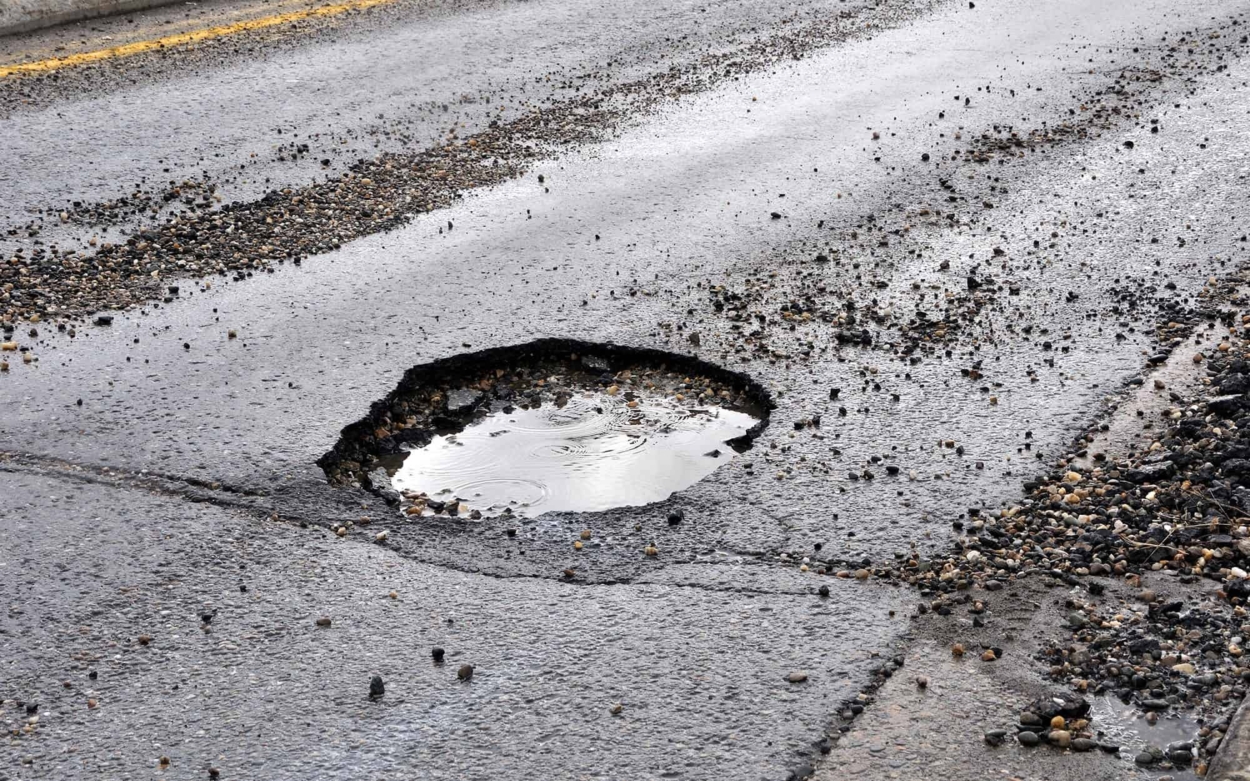
How Snow and Ice Damage Commercial Asphalt Surfaces
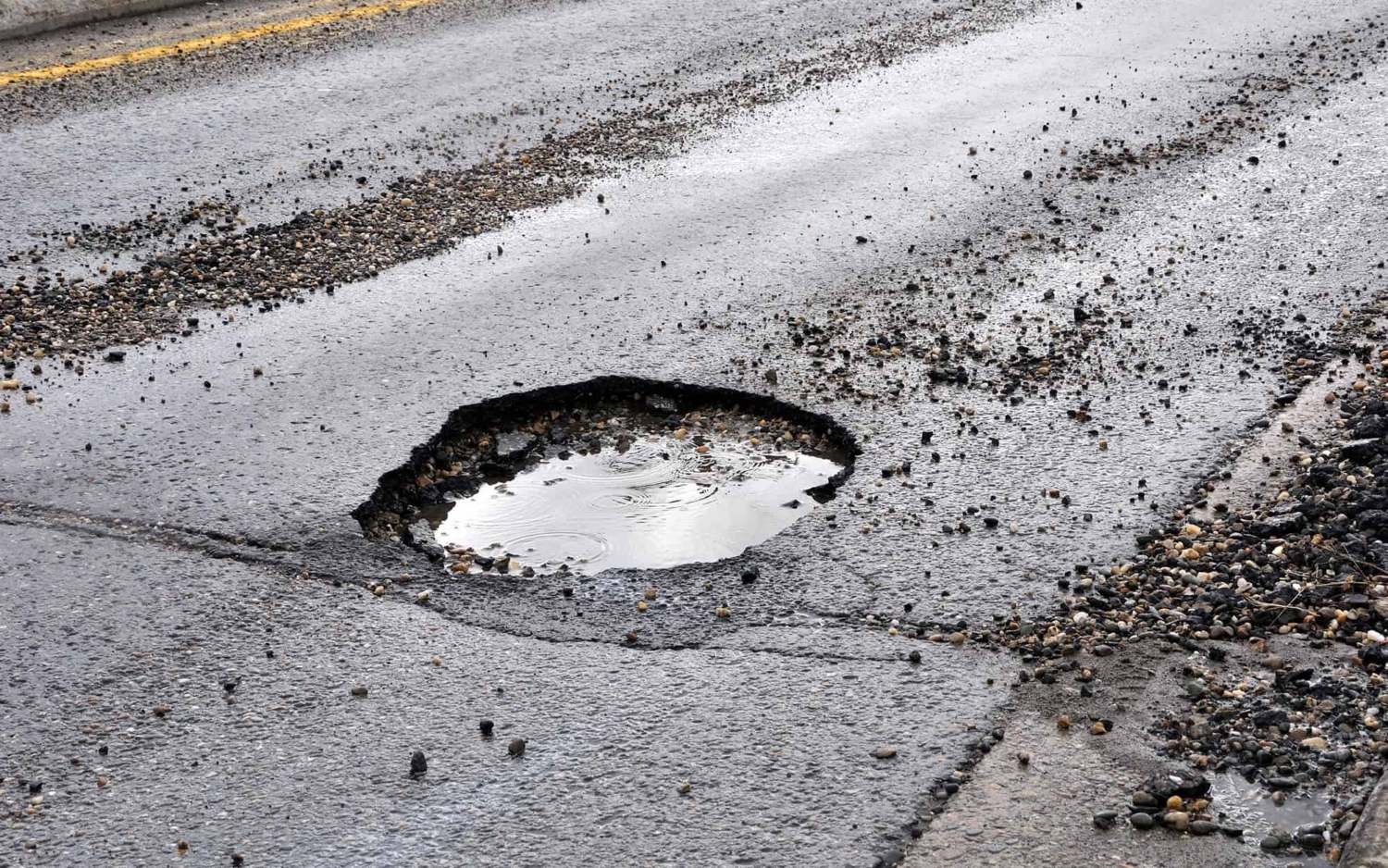
How Snow and Ice Damage Commercial Asphalt Surfaces
Water is asphalt’s greatest enemy, especially during the freeze-thaw cycles that come with snow and ice. When moisture seeps into tiny cracks and freezes, it expands and forces the cracks to widen. This repeated cycle weakens the asphalt and the base beneath it.
Snowplows and de-icing chemicals also take a toll. Plow blades can scrape off protective sealcoating, while salt eats away at the surface, accelerating erosion. Add in snowmelt refreezing at night, and your asphalt goes through intense stress every 24 hours.
If you’ve been asking, “Does salt damage asphalt?” The answer is yes. It breaks down the bonding agents in asphalt, leaving it more vulnerable to additional weather-related stress.
Why Commercial Lots Are More at Risk
Unlike driveways, commercial parking lots are exposed to heavier vehicles, more frequent use, and longer-term snow coverage. This amplifies the effects of cold weather. Because they cover more area, large lots also collect more water and stay colder longer, increasing the likelihood of damage.
Heavy delivery trucks can leave deep ruts in wet or weakened asphalt. Foot traffic increases the wear on areas that freeze and thaw frequently. Extended snow coverage keeps asphalt cold and brittle, delaying recovery from overnight freezes. These conditions mean commercial asphalt maintenance becomes more urgent and complex.
Hidden Safety Risks of Winter Asphalt Damage
Winter damage doesn’t just affect how your parking lot looks. It creates serious safety issues for your visitors, tenants, and employees.
Trip Hazards and Surface Cracking
Cracks that appear after winter often form uneven surfaces or loose material. These can catch shoes, carts, or wheels, creating injury risks.
Alligator cracks, potholes, and heaving pavement signal trouble. Crumbling edges around curbs or medians may break apart under foot traffic.
Vehicle Damage and Liability
Small potholes are easy to miss under snow and slush but can still damage tires, suspensions, or bumpers. If a customer or tenant’s vehicle is harmed, your business could be liable.
ADA compliance for parking lots also comes into play. Damaged striping, uneven ramps, or broken accessible spaces could leave your property exposed to fines or lawsuits.
Common Winter Damage to Look For
Once the snow starts to melt, keep an eye out for early warning signs of asphalt damage. These signs may indicate the need for commercial asphalt maintenance:
- Potholes and depressions in high-traffic areas
- Spreading cracks or web-like surface patterns
- Discoloration or patchy surfaces where snow accumulated
- Water pooling in areas that used to drain correctly
Prevention Strategies for Commercial Property Owners
Winter damage cannot always be avoided completely, but these steps significantly reduce the impact.
Sealcoat and Repair Before Cold Weather Hits
Routine sealcoating provides a protective barrier against moisture and salt. Pair that with pre-winter crack sealing to keep water from entering problem areas.
Sealcoat every 2 to 3 years. Fill cracks larger than 1/8 inch before temperatures drop. Check for raveling or surface erosion in high-use areas.
Use a Professional Snow and Ice Removal Service
Hiring a trusted contractor for snow and ice removal ensures the right equipment and techniques are used. Rubber-blade plows reduce surface scraping. Proper salting avoids over-application, limiting chemical damage. Trained teams know how to spot drainage issues caused by snow piles.
A commercial snow management contract helps reduce the risk of unintentional damage. Snow and ice removal plays a key role in preserving your pavement during winter.
Design Your Lot for Better Drainage
Water that does not drain properly after a snowstorm becomes a major threat to your asphalt. Make sure your lot slopes away from buildings and walkways.
Install or clear storm drains. Re-grade problem areas. Avoid piling snow in low spots where meltwater pools. These preventative steps fall under responsible commercial asphalt maintenance.
Protect your parking lot this winter with help from Phillips Paving. Discover how our commercial asphalt maintenance can protect and repair your lot.
Our Commercial Asphalt Maintenance
Post-Winter Inspection: Why Timing Matters
As soon as the snow clears, assess your lot for damage. Spring brings rain, which can worsen cracks and potholes already forming. Early repairs prevent the need for full resurfacing down the road.
Post-winter is also the ideal time to restore ADA compliance by repainting faded markings, repairing broken ramps, and addressing trip hazards. Proper ADA compliance for parking lots not only keeps your lot safe but also keeps your property up to code.
Long-Term Commercial Asphalt Maintenance Tips
Protecting your investment goes beyond winter weather. Year-round upkeep extends the life of your lot and keeps your property safe and presentable.
Schedule inspections every spring and fall. Invest in asphalt patching before small issues grow. Refresh pavement markings annually to support ADA compliance. Plan ahead for resurfacing every 10 to 15 years, depending on use.
When to Resurface vs. Repair
Not sure if you need patching or resurfacing? Here’s a quick breakdown:
Repair if damage is limited to a few cracks or potholes. Resurface if more than 30 percent of the lot is cracked, uneven, or crumbling. Replace if the foundation is failing or if drainage cannot be fixed. Planning repairs early keeps your lot looking professional while reducing safety risks and long-term costs.
The Hidden Cost of Ignoring Ice and Snow
Postponing repairs may save money in the short term, but neglected asphalt leads to rapid deterioration. Freeze-thaw cycles compound the damage and increase repair costs.
Unaddressed winter damage could create legal exposure from injuries or vehicle damage. Maintaining your pavement protects your property and your business reputation.
Choose Phillips Paving for Commercial Asphalt Maintenance That Lasts
Phillips Paving provides expert commercial asphalt maintenance, snow and ice removal, ADA compliance for parking lots, and seasonal repair services tailored to Kansas City businesses. We understand the unique risks of winter and help you prevent them before they affect your bottom line. Contact us today to schedule your site assessment and let our team keep your pavement strong and safe all year long.
Commercial Asphalt Maintenance: Best Practices for Office Complexes
 Stay proactive and protect your investment with commercial asphalt maintenance. Discover essential care tips for office properties that help avoid costly repairs and extend surface lifespan.
Why Commercial Asphalt Maintenance Matters
For office complexes, a well-maintained parking lot prevents costly repairs and reinforces your building’s reputation with tenants and visitors. Without regular upkeep, your asphalt surface is vulnerable to cracks, potholes, and surface degradation. All of these can lead to expensive fixes and potential liability issues. Commercial asphalt maintenance is a proactive investment that pays off in safety, longevity, and appearance.
Common Issues in High-Use Office Environments
Office parking lots endure a lot: employee vehicles, visitor traffic, delivery trucks, and sometimes even landscaping equipment. Over time, this constant pressure breaks down the asphalt. Without proper maintenance, small issues can turn into major damage.
Typical signs of wear include:
- Alligator cracking
- Pooling water or poor drainage
- Uneven surfaces
- Faded striping and markings
- Surface raveling (when the top layer wears away)
Each of these signs indicates it’s time to revisit your commercial asphalt maintenance plan.
Seasonal Maintenance Tips for Office Parking Lots
Maintenance isn’t just a once-a-year event. Each season brings unique challenges that require specific strategies to protect your asphalt and keep your office parking lot looking professional and functioning properly.
Spring: Inspection and Repair
Spring is the best time to assess damage after winter. Freeze-thaw cycles may have caused cracking or potholes. Conduct a full visual inspection and consider scheduling:
- Crack sealing
- Parking lot repair
- Power sweeping to remove debris
You might also check for drainage issues, clogged grates, or signs of base erosion. Early spring is also ideal for booking contractors before the busy summer season.
Summer: Sealcoating and Resurfacing
Warm weather allows for ideal conditions to perform sealcoating and asphalt resurfacing. These treatments:
- Protect against UV rays and oxidation
- Improve water resistance
- Refresh the lot’s appearance
Summer is also a good time to repaint traffic markings and ADA-compliant spaces. Because temperatures stay consistent, materials cure more evenly, which improves durability. Many businesses take advantage of long daylight hours and weekend scheduling to minimize disruptions.
Fall: Prep for Winter
Fall maintenance focuses on cleaning and preventative services to prepare for cold months. Consider:
- Clearing catch basins and drains
- Applying a fresh coat of sealant if needed
- Final inspection before freeze sets in
It’s also smart to review snow removal plans with your maintenance provider, making sure plows won’t damage curbs or pavement edges.
Winter: Snow and Ice Management
While many paving services pause in winter, your maintenance routine shouldn’t. Use ice melt products that won’t damage asphalt, and avoid scraping with metal blades. Keep the surface clear to prevent moisture from entering cracks.
- Monitor snow pile locations so melting runoff drains properly
- Use rubber-edged snowplows when possible
- Check for signs of surface damage after every freeze event
Winter is also a good time to plan ahead. Booking spring inspections in advance ensures you’re among the first on your contractor’s schedule once temperatures rise.
How Traffic Load Affects Asphalt Durability
Office parking lots typically have more frequent use than residential ones. Delivery vans, service vehicles, and daily employee traffic all create pressure. If your lot wasn’t designed with load-bearing needs in mind, this can shorten its lifespan. Regular commercial asphalt maintenance helps adjust for high-traffic zones by reinforcing trouble spots before they worsen.
Recommended Maintenance Timelines
Here’s a general guide for keeping your office parking lot in good shape:
- Sealcoating: Every 3 to 5 years, depending on use and weather
- Crack sealing: Annually or as new cracks appear
- Striping: Every 1 to 2 years or when faded
- Resurfacing: Every 10 to 15 years, based on condition
- Full inspection: At least once a year, ideally in spring
Custom maintenance schedules from Phillips Paving can help streamline this process.
DIY vs. Professional Commercial Asphalt Maintenance
Some small maintenance tasks, like sweeping or clearing drains, can be done in-house. But when it comes to repairs, striping, or resurfacing, you need trained professionals.
Professional contractors:
- Understand pavement structure and load requirements
- Use proper materials and application methods
- Offer compliance services for ADA parking lot requirements
- Provide warranties and documentation for recordkeeping
Keep your office parking lot functional, safe, and great-looking with pavement maintenance services from Phillips Paving. Contact US Today!
Cost of Delayed Maintenance
Many property managers hesitate to act on minor asphalt issues, assuming they’ll hold off until the next budget cycle. Unfortunately, small problems almost always grow into expensive ones. Cracks allow water intrusion, which undermines the sub-base and leads to potholes. Delays in sealing accelerate surface wear and fading.
By staying on top of commercial asphalt maintenance, you prevent the kind of damage that leads to full-depth repair or costly replacement. Catching issues early means smaller fixes, shorter downtime, and lower costs.
Creating a Year-Round Plan
One of the most effective strategies is building a yearly maintenance calendar. Start with a spring inspection, followed by scheduled crack sealing, sealcoating, and striping in summer or early fall. Make note of any repairs and address drainage issues before winter. A proactive schedule keeps your office parking lot in great shape without constant reactive work.
A commercial asphalt maintenance provider like Phillips Paving can help you map out an annual plan based on your property’s usage, climate, and budget. This approach minimizes disruption and helps with long-term forecasting.
Consider Pavement Usage and Layout
Not all parts of your office parking lot experience the same amount of wear. Loading zones, drive lanes, and entrances typically degrade faster than employee parking stalls. Having your maintenance team monitor these high-stress areas more frequently can help catch early signs of damage.
You might also consider re-striping or redesigning traffic flow to ease pressure on certain parts of the lot. Minor changes in layout can improve safety and help balance load across your surface.
Long-Term Value: Why It Pays to Maintain
Deferred maintenance almost always leads to higher costs later. A neglected parking lot may:
- Deter potential tenants
- Cause liability from trips or vehicle damage
- Require full replacement instead of repair
By investing in commercial asphalt maintenance now, property managers ensure their lot stays safe, appealing, and structurally sound.
Keep Your Office Lot Performing and Looking Its Best With Phillips Paving
Don’t let wear and tear take over your office parking lot. From seasonal repairs to long-term maintenance, Phillips Paving delivers dependable, ADA-compliant service built for commercial properties. Reach out today for your free quote, and let’s build a lasting solution together.
ADA Requirements for Parking Lots by Industry: Compliance Tips for Businesses
 ADA requirements for parking lots are detailed and critical, but not every industry applies them the same way. Your business type determines how accessible your parking lot must be, from the number of accessible spaces to the surface slope and signage. Explore how ADA parking standards differ by industry and offer compliance tips for business owners across retail, healthcare, hospitality, and education sectors.
Why ADA Requirements for Parking Lots Matter
ADA regulations are about more than checklists. They ensure accessibility for individuals with disabilities and protect business owners from liability. If your parking lot doesn’t meet federal, state, and local guidelines, you could face fines or lawsuits.
ADA parking lot standards include several critical elements:
- Required number of accessible and van-accessible spaces
- Designated signage, space dimensions, and striping
- Correct slope and surface conditions
- Clear, direct paths to building entrances
Each of these components is influenced by property size, usage, and industry type. Taking action to meet these requirements demonstrates responsibility and helps businesses avoid avoidable risks.
Industry-Specific ADA Compliance Considerations
Each industry faces different accessibility needs based on customer flow, parking volume, and use cases. Below are some common industries and how they must approach ADA compliance.
Retail
Retail businesses typically experience high vehicle and pedestrian traffic. ADA compliance in this sector demands clearly visible striping and signage to prevent confusion and ensure quick access. Larger retailers or shopping centers may also need to designate van-accessible spots close to multiple entrances.
Additionally, retail properties often operate on tight turnaround times, so timely maintenance of signage and pavement markings is crucial for staying compliant without disrupting business.
Healthcare
Medical offices, clinics, and hospitals serve patients who may have mobility challenges. This means higher standards for smooth surfaces, proximity to entrances, and increased numbers of van-accessible spaces. Additional accommodations like ramps and wider access aisles are often required.
Because healthcare facilities must prioritize patient safety, ADA accessibility features need to be maintained in excellent condition, and frequent inspections are recommended.
Hospitality
Hotels and motels must offer ADA-compliant parking near accessible guest check-in areas and entrances. Spaces must be located along smooth paths to lobbies or elevators and clearly marked with both accessibility and van-accessible signage.
Guests traveling with assistive equipment rely on these features being functional and clearly marked. Hospitality businesses must ensure paths of travel remain safe, especially in inclement weather.
Education
Schools, universities, and daycare centers often have multiple buildings or entry points. ADA rules here call for distributed accessible parking near all usable entrances. Pavement must also support daily bus and pedestrian traffic while ensuring safe access for students and faculty with disabilities.
These institutions must ensure their ADA accommodations scale with student body changes and expansion of facilities over time.
ADA Parking Lot Elements That Apply to Every Industry
Whether you’re running a retail chain or a school campus, certain ADA requirements for parking lots are universal. Every business is expected to meet the following standards.
Number of Accessible Spaces
The number of accessible spaces depends on your lot size:
- 1 to 25 spaces: 1 accessible space
- 26 to 50: 2 accessible spaces
- 51 to 75: 3 accessible spaces, and so on
One of every six accessible spaces must be van-accessible. Property owners should confirm their space counts reflect these ratios to maintain compliance.
Van-Accessible Space Dimensions
ADA-compliant van spaces must follow strict sizing requirements:
- 11 feet wide with a 5-foot access aisle
- 8 feet wide with an 8-foot aisle
- 98-inch vertical clearance required at parking space, aisle, and exit route
These configurations ensure wheelchair lifts and other accessibility tools have the necessary room to function safely.
General Space Dimensions
Car-accessible parking spaces must be at least 8 feet wide with a 5-foot aisle. Two spaces may share one access aisle if appropriately striped.
These access aisles are essential for vehicle door clearance and movement of assistive devices.
Placement and Path of Travel
Spaces must be placed on the shortest accessible route to an entrance. For properties with multiple entrances, ADA requirements for parking lots call for the distribution of accessible spaces.
The path must be firm, stable, slip-resistant, and free from steps unless ramps are provided. Ensuring these features are present prevents safety hazards and supports full compliance.
Signage Requirements
Signage is a vital part of ADA compliance. It provides clear, visible guidance to drivers and ensures that accessible parking spaces are recognized and respected.
- All accessible spaces require a sign with the International Symbol of Accessibility
- Signs must be at least 5 feet off the ground
- Van spaces need an added “Van Accessible” sign
These signs must remain legible and unobstructed at all times, even during snow or heavy traffic.
Surface and Slope
Maintaining a level and properly graded surface is essential to keeping parking areas accessible, especially for individuals using mobility aids.
- Surfaces must be paved and slip-resistant
- Slope cannot exceed 1:48 in any direction
Failing to maintain proper slope can create dangerous conditions, especially for wheelchair users or people using walkers or canes.
Maintenance
Businesses must ensure ongoing ADA compliance through regular maintenance:
- Maintain striping, signage, and surfaces year-round
- Clear snow, ice, and debris promptly
- Repaint faded lines before they become unclear
Proper upkeep helps avoid sudden violations and ensures customer and visitor safety.
Stay compliant and confident with ADA-ready parking lots. Discover how our industry-specific ADA solutions can provide layout planning, resurfacing, and signage for your parking lot. Contact Us Today
How Proper Paving Ensures ADA Compliance
Resurfacing can correct slope issues that develop from settling, damage, or poor installation. Smoother surfaces also improve wheelchair accessibility and reduce slip risks.
Potholes, cracks, and spalling can render accessible paths non-compliant. Prompt repair is essential to meet maintenance standards and ensure long-term access.
Striping for Visibility
Faded lines cause confusion and may result in misuse of designated spots. High-durability striping helps guide drivers and ensures ADA spaces are properly used.
Frequently Asked Questions About ADA Parking Lot Requirements
How do I know if my parking lot meets ADA requirements?
You’ll need to assess signage, striping, slope, surface condition, and space count. A professional inspection is the safest way to ensure full compliance.
What are the penalties for non-compliance?
Failure to comply may lead to federal fines up to $75,000 for a first offense and up to $150,000 for subsequent violations—not to mention lawsuits.
Who enforces ADA regulations in Missouri or Kansas?
The Department of Justice enforces ADA law federally, but state and local building codes also apply.
How much does it cost to make a property ADA-compliant?
Costs vary based on your parking lot’s size and current condition. Striping alone may be affordable, but resurfacing or signage replacement can increase costs.
Can paving companies help with ADA compliance?
Yes. Many paving contractors offer striping, resurfacing, signage, and layout planning designed specifically to meet ADA standards.
Let Phillips Paving Help You Get ADA Right
ADA compliance is about building safer, more welcoming spaces for everyone. Whether you manage a retail center, a school, or a healthcare clinic, our team helps bring your lot up to code with expert paving, striping, and signage solutions. Contact us today to discover how we keep commercial and residential pavement safe.