
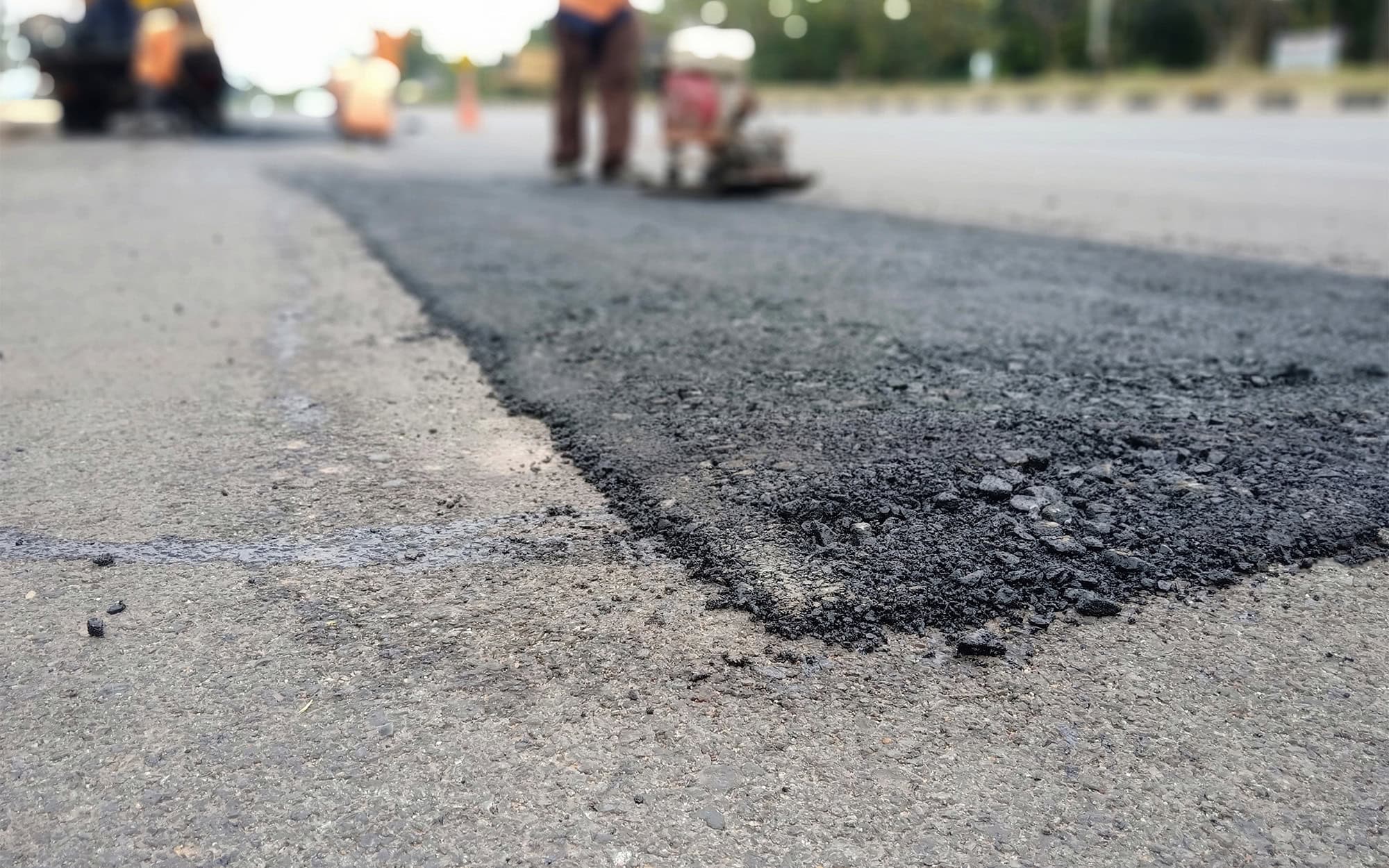
For commercial property managers and business owners, spring represents a critical decision point. Addressing visible cracks, potholes, and drainage issues early through commercial asphalt repair can prevent safety hazards, reduce liability exposure, and protect long-term capital investments.
How Kansas City Winters Damage Commercial Asphalt
Commercial surfaces experience significantly more stress than residential pavement. In Kansas City, winter conditions amplify that stress in ways that directly impact structural integrity.
Freeze-Thaw Expansion and Base Weakening
Kansas City’s fluctuating temperatures are one of the primary contributors to pavement deterioration. During the day, melting snow and rainwater seep into small cracks and porous areas of the asphalt surface. At night, temperatures drop below freezing, and that trapped moisture expands.
Each freeze-thaw cycle widens existing cracks and creates new fractures. Over time, water reaches the base layer beneath the asphalt, weakening structural support. When this occurs, surface damage accelerates rapidly once traffic resumes at normal levels in spring.
Without timely commercial asphalt repair, what begins as minor cracking can quickly evolve into widespread failure across high-traffic areas.
Snowplows, Heavy Traffic, and Equipment Stress
Commercial properties often rely on snowplows and salt trucks to maintain accessibility during winter. While necessary for safety, plowing exerts scraping pressure on pavement surfaces, particularly along seams and edges.
In addition, commercial lots endure constant vehicle weight, delivery trucks, and in some cases, heavy industrial equipment. These repeated loads compound the internal stress caused by freeze-thaw cycles.
By spring, heavily trafficked lanes, loading docks, and parking stalls frequently show signs of structural fatigue that require prompt commercial asphalt repair.
Salt and Chemical Degradation
De-icing salts and chemical treatments improve winter safety but contribute to surface oxidation and binder breakdown. Over time, these substances dry out the asphalt surface, reducing flexibility and increasing brittleness.
This chemical exposure is especially intense in large commercial parking areas that require repeated treatment. Spring is often when the full effect of winter salt damage becomes visible, reinforcing the need for strategic commercial asphalt repair planning.
Why Spring Is the Ideal Window for Commercial Asphalt Repair
Timing matters when it comes to pavement performance. Spring provides the most favorable environmental conditions for effective commercial asphalt repair in Kansas City.
Moderate temperatures allow repair materials to bond and cure properly. Extremely cold conditions can prevent adequate adhesion, while excessive summer heat may complicate scheduling and increase disruption to daily operations.
Spring also offers maximum visibility. Once snow and ice are gone, property managers can clearly identify cracks, surface depressions, drainage failures, and edge breakdown. Addressing these issues early prevents water from infiltrating during heavy spring storms.
Scheduling asphalt repair in Kansas City during spring allows businesses to complete necessary work before peak summer traffic increases. Retail centers, healthcare facilities, and corporate campuses benefit from minimizing disruptions during high-demand seasons.
The Business Risks of Delaying Repairs
Delaying pavement maintenance carries consequences beyond surface appearance. Commercial properties are legally and operationally responsible for maintaining safe conditions.
Cracks and potholes can create trip-and-fall hazards for pedestrians. Uneven surfaces in accessible parking areas may raise ADA compliance concerns. Vehicle damage claims from poorly maintained pavement can also expose businesses to financial liability.
Common risks associated with postponing commercial asphalt repair include:
- Increased slip-and-fall incidents
- Higher insurance claims and deductibles
- Accelerated pavement failure
- Drainage issues that compromise foundations
- Negative customer perception and reduced curb appeal
Parking lot repair is not merely cosmetic. It directly affects safety, compliance, and brand reputation. Businesses that proactively address pavement issues reduce exposure to legal claims and operational interruptions.
Evaluating professional commercial asphalt repair services now can prevent larger problems before summer arrives. Schedule seasonal service with Phillips Paving for better budgeting and fewer surprises.
What a Proactive Commercial Asphalt Repair Plan Looks Like
Reactive maintenance is costly and disruptive. A structured plan ensures that commercial asphalt repair efforts are strategic, efficient, and aligned with long-term property goals.
Comprehensive Surface Inspection
A thorough inspection is the foundation of any repair plan. Contractors evaluate crack width, traffic patterns, drainage flow, and structural integrity of the base. Identifying both visible and hidden damage allows property managers to prioritize effectively.
This evaluation ensures that resources are allocated toward the most urgent issues first.
Targeted Crack Sealing and Patching
Crack sealing prevents water infiltration and slows pavement deterioration. Patching addresses localized potholes or failed sections without requiring full replacement.
Targeted repairs are cost-effective and extend the life of existing surfaces. When performed early in spring, they protect pavement before heavy rains intensify underlying issues.
Asphalt Resurfacing When Necessary
When surface wear is widespread but the base remains intact, asphalt resurfacing provides a durable solution. Resurfacing restores appearance and structural performance without the expense of complete reconstruction.
This option is often ideal for aging commercial lots that need renewal without full replacement.
Ongoing Maintenance Scheduling
A proactive approach includes routine inspections and scheduled upkeep. Integrating commercial asphalt repair services into an annual maintenance plan reduces emergency interventions and improves long-term cost predictability.
Consistent oversight transforms pavement maintenance from a reactive expense into a managed asset strategy.
Spring Repairs Save Money Over Time
Financial planning is a central concern for commercial stakeholders. Early intervention significantly reduces long-term costs.
Small cracks addressed in spring prevent water from reaching the base. Protecting the base layer avoids full-depth reconstruction, which represents the most expensive type of repair.
Budget predictability also improves when repairs are scheduled proactively. Rather than responding to emergency pothole formation during peak business periods, property managers can plan commercial asphalt repair projects around operational needs.
Over time, consistent spring maintenance extends pavement lifespan by years. The cumulative savings from avoided reconstruction often outweigh the cost of early preventative work.
Why Partnering With a Local Contractor Matters
Experience with regional conditions is essential for effective pavement care. Kansas City’s clay-rich soil, fluctuating temperatures, and seasonal precipitation patterns require localized expertise.
A contractor specializing in asphalt repair in Kansas City understands:
- Soil expansion and contraction patterns
- Optimal repair timing based on local climate
- Traffic demands specific to Kansas City commercial corridors
- Long-term performance expectations for regional conditions
Working with a trusted local partner ensures that commercial asphalt repair solutions are tailored to real-world environmental factors rather than generic national standards.
Plan Your Commercial Asphalt Repair This Spring
Phillips Paving provides dependable commercial asphalt repair services for Kansas City businesses, including parking lot repair, crack sealing, patching, and asphalt resurfacing. Our team works with property managers to develop maintenance plans that balance safety, cost efficiency, and operational continuity.
If your commercial property is showing signs of winter wear, now is the time to act. Contact Phillips Paving to schedule an evaluation and ensure your commercial asphalt repair is completed under optimal spring conditions—before minor issues become major liabilities.