
Your driveway is a critical part of your property’s drainage system. When it’s uneven, cracked, or poorly designed, it can direct water toward your home instead of away from it. Over time, this extra water can cause soil erosion, water intrusion, and even foundation damage. Understanding the connection between driveway drainage and your home’s structural health can help you avoid expensive repairs down the road.
How Driveway Problems Can Impact Your Foundation
Even though your driveway sits a few feet from your home, it can significantly influence how water moves around your property. If it doesn’t slope correctly, has deteriorated, or shows visible signs of cracking and settling, rainwater and melting snow can collect near your foundation, causing serious problems. Repeated exposure to moisture can slowly weaken the soil that supports your home, leading to shifts in the foundation and even water intrusion into your basement or crawlspace. Over time, this poor water flow can compromise your property’s overall structural integrity, lead to mold or mildew issues, and create costly repairs that may involve both the driveway and your home’s foundation if ignored.
Water Pooling and Soil Erosion
When driveways crack, settle unevenly, or lose their original slope, water stops flowing away from your house. Instead, it pools near the foundation, saturating the surrounding soil. This saturation weakens the soil’s ability to support your home, leading to erosion and unstable ground. In some cases, the excess water can also infiltrate your basement or crawlspace, causing moisture damage inside your home.
Pooling water can lead to:
- Shifting or bowing foundation walls
- Cracks in basement floors, garage floors, or walls
- Increased risk of mold growth, mildew, and water damage indoors
- Long-term weakening of structural support around your home
Maintaining proper driveway drainage is essential for protecting your home’s structure and avoiding thousands of dollars in potential foundation repairs later.
Driveway Grading and Its Role in Preventing Damage
The slope or grade of your driveway determines where water flows after a rainstorm. If the driveway is flat, dips toward your house, or has been compromised over time, it can cause ongoing foundation issues that worsen each season. Even small grading errors can send gallons of water toward your home instead of safely diverting it away.
How Asphalt Resurfacing Helps Fix Grading Issues
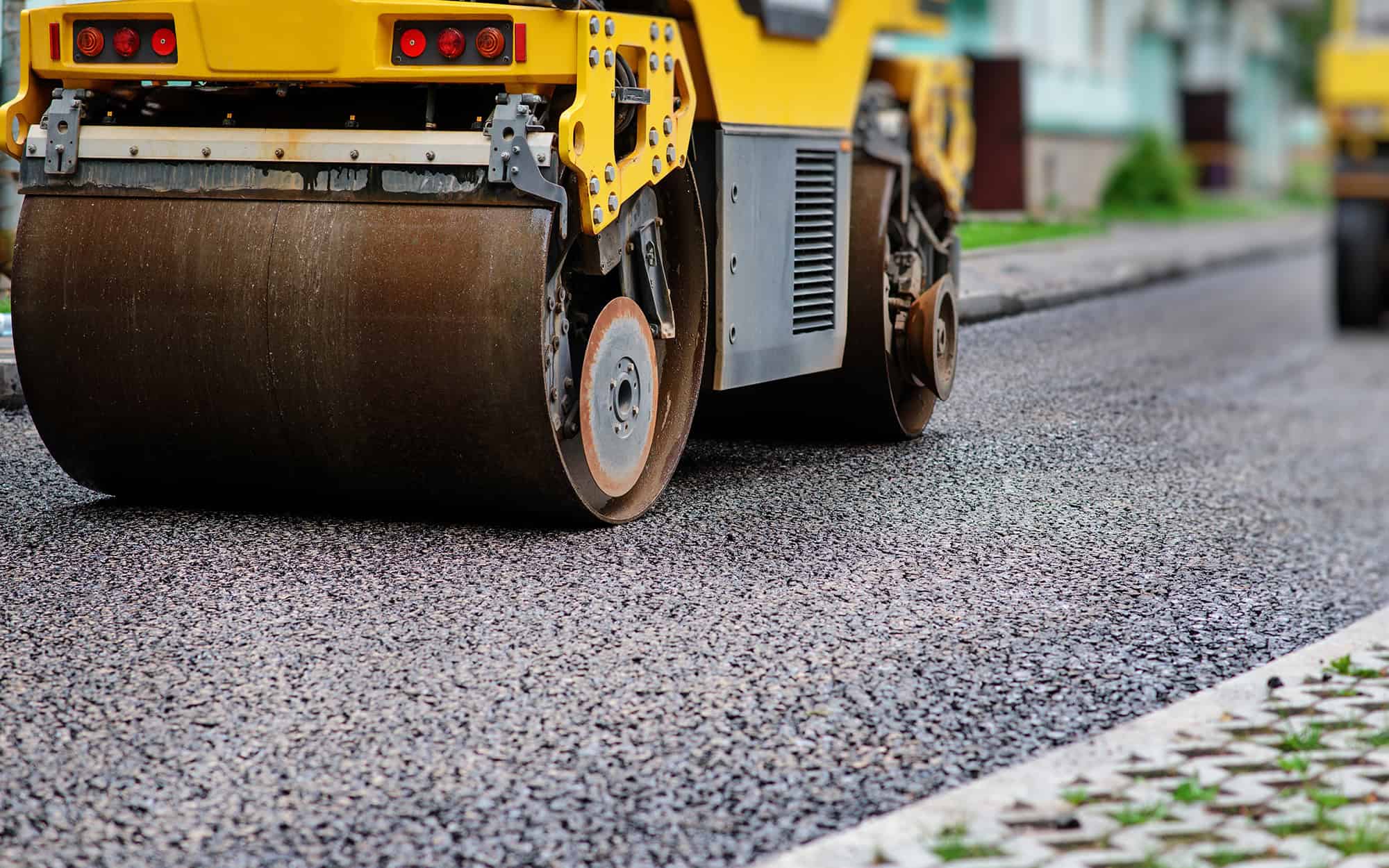
Through professional asphalt resurfacing, contractors can correct minor slope problems by adding a new layer of material. This layer can be carefully leveled and shaped to redirect water away from your home, guiding it toward streets, drains, or designated channels where it belongs. This not only fixes water flow problems but also improves your property’s overall drainage system.
Benefits of improved grading:
- Prevents standing water near your home and basement walls
- Reduces risk of soil erosion and foundation weakening
- Improves driveway safety, reducing ice patches in winter and slick surfaces after rain
- Adds value to your home by enhancing both function and curb appeal
Resurfacing is a cost-effective, preventive solution that helps you avoid major foundation issues before they start.
Signs Your Driveway is Causing Drainage Problems
Sometimes drainage issues are obvious, and other times they’re more subtle but equally harmful. Knowing what to look for can help you act before the damage spreads and protect your home from costly structural repairs.
Common signs include:
- Water pooling near the base of your home after rain or snowmelt
- Visible cracks, potholes, or settling along the driveway edge closest to the house
- Soil erosion, sinking ground, or washed-out landscaping near your foundation
- Dampness, mold growth, or musty odors in the basement or lower levels of your home after storms
If you notice these symptoms, it’s time to have your driveway professionally evaluated and consider resurfacing as a long-term solution to protect your home’s foundation.
Mid-Page CTA Improve driveway drainage with Phillips Paving Resurfacing Solutions. Contact us to protect your property from costly water damage.
How Resurfacing Prevents Future Foundation Issues
Resurfacing is a protective measure for your entire property. A properly resurfaced driveway is smooth, sealed, and correctly sloped to move water away from your house.
Additional Benefits of Resurfacing for Drainage
- Fills cracks that allow water to seep into the ground near your foundation
- Creates a solid surface that resists settling and shifting
- Extends the life of your driveway while protecting surrounding landscaping
By combining resurfacing with correct driveway grading, you can prevent water-related foundation problems and keep your home safe and dry.
What to Do if Water is Already Collecting Near Your Home
If you already see water pooling around your foundation, don’t wait to take action. Immediate steps can minimize the damage while you arrange for long-term repairs. Taking proactive measures now can save you from expensive foundation work and protect the structural integrity of your home.
Short-term solutions:
- Use temporary drainage channels or flexible tubing to divert water away from the base of your home more effectively.
- Check and clean gutters and downspouts to ensure proper flow and avoid overflows that push water toward your foundation.
- Regrade nearby soil temporarily or place sandbags to help redirect excess water during heavy rainfall.
- Avoid heavy water use near affected areas during rainstorms, such as running sprinklers or draining pool water.
Long-term solution:
Schedule a professional inspection and consider asphalt resurfacing or proper driveway regrading to fix the slope and prevent future problems. Combining resurfacing with improved drainage systems can create a long-lasting solution that safeguards your property.
Choose Phillips Paving for Lasting Driveway Drainage Solutions
At Phillips Paving, we understand how crucial proper driveway grading and drainage are for protecting your home. Our team specializes in assessing problem areas and providing long-lasting fixes through resurfacing, sealing, and slope adjustments.