
 Asphalt resurfacing is an excellent way to restore your driveway’s appearance and performance without undergoing a full replacement. But how long can homeowners realistically expect those results to last? Let’s explore the lifespan of asphalt resurfacing, the key factors that impact it, and the steps you can take to protect your investment for years to come.
Understanding Asphalt Resurfacing Longevity
The average lifespan of asphalt resurfacing typically ranges from 8 to 15 years, depending on various conditions. Unlike full replacement, resurfacing is designed to restore the top layer of your driveway while relying on the existing foundation. When applied to a stable, damage-free base, this method can provide homeowners with a durable, attractive surface at a fraction of the cost.
However, its longevity isn’t guaranteed by default—it depends heavily on weather, usage, and maintenance. Understanding resurfacing longevity helps homeowners manage expectations and take the necessary steps to extend your asphalt’s lifespan. With the right care, a resurfaced driveway can serve you well for over a decade.
What Factors Affect the Lifespan of an Asphalt Driveway?
While resurfacing provides a fresh look and smoother surface, several variables influence how long it may last. Understanding these factors helps homeowners manage expectations and make informed decisions when evaluating the value and durability of resurfacing services.
Climate and Weather Conditions
Asphalt is sensitive to the elements. Hot climates can cause softening and deformation, while freeze-thaw cycles in colder areas can lead to cracking and deterioration. Water infiltration from heavy rain or snowmelt accelerates wear by eroding the surface and damaging the sub-base. Homes in regions with extreme temperature swings should pay extra attention to routine maintenance to help preserve the lifespan of asphalt resurfacing.
Quality of the Base Layer
Resurfacing relies on the strength and stability of the existing foundation. If the underlying base is compromised, resurfacing may mask the issue temporarily, but it won’t prevent failure. A strong base promotes even weight distribution, supports heavy loads, and minimizes cracking. Before applying a new surface, experts carefully inspect each driveway to confirm the base is sound and suitable for resurfacing.
Traffic Load and Vehicle Weight
Driveways that support heavy vehicles, trailers, or high traffic volumes are at greater risk for surface stress and degradation. Consistent pressure in the same area can lead to premature rutting or surface fatigue. While resurfacing can handle residential traffic, homeowners should limit the weight of parked vehicles to help preserve surface integrity and promote a longer resurfacing longevity overall.
Drainage and Water Management
Poor water drainage is one of the leading causes of asphalt deterioration. Standing water can seep into tiny cracks, freeze in cold weather, and expand, damaging the structure from within. Effective grading and drainage systems prevent pooling and help maintain a driveway’s strength. Homeowners should ensure that downspouts and slopes redirect water away from the asphalt to safeguard the lifespan of asphalt resurfacing.
Craftsmanship and Materials Used
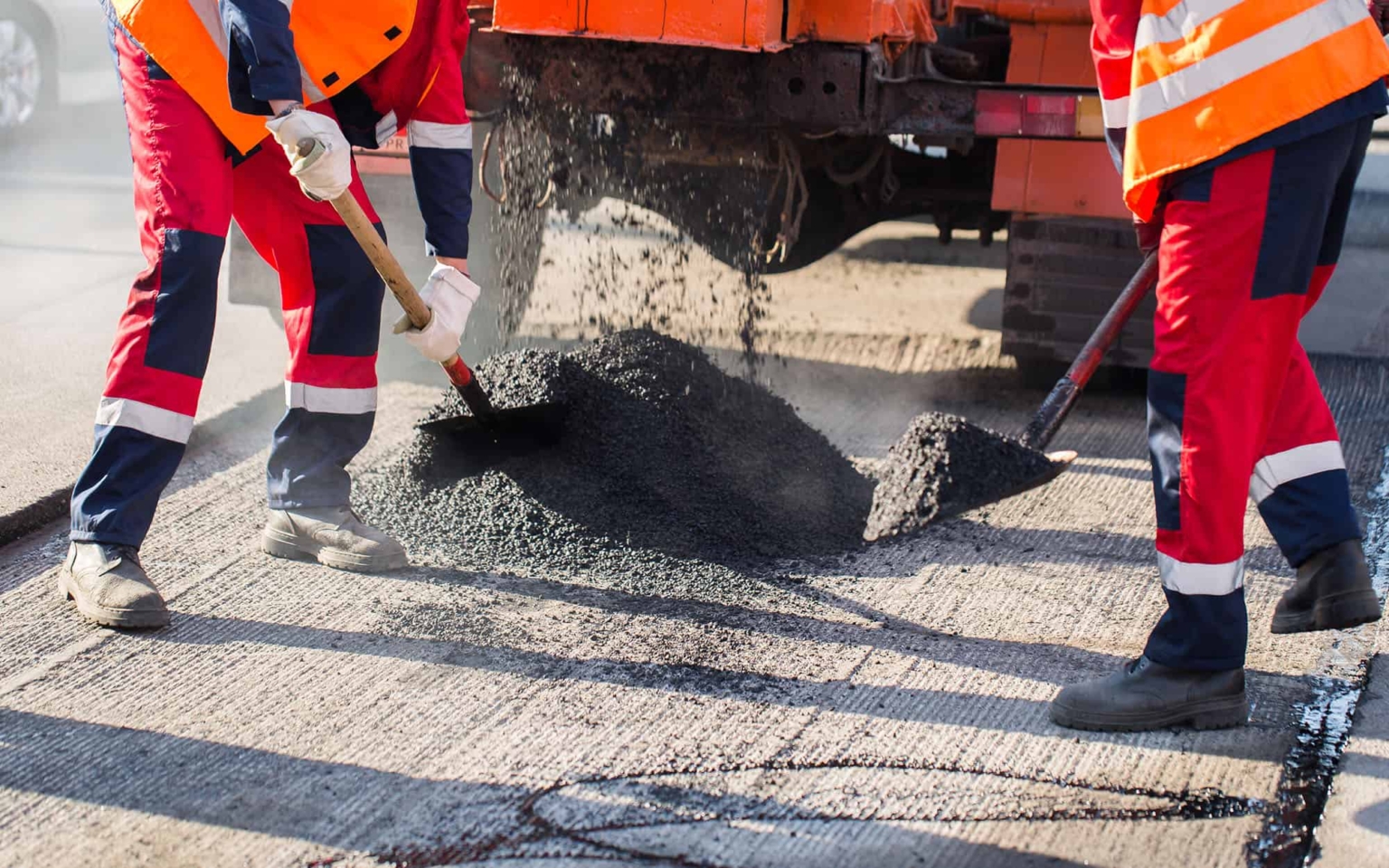
The quality of materials and workmanship used during resurfacing plays a direct role in how long the new surface lasts. High-grade asphalt, proper compaction, and expert application techniques all contribute to longer-lasting results. That’s why partnering with a trusted paving contractor like Phillips Paving is critical. Our experienced crew uses only premium materials and proven processes to ensure long-term driveway performance.
Pre-Existing Surface Damage
The condition of the driveway before resurfacing also matters. If large cracks, potholes, or structural issues exist and aren’t addressed first, they can quickly resurface and reduce durability. Proper patching and leveling are required before applying the new layer to promote even wear. Ignoring pre-existing problems could shorten the lifespan of asphalt resurfacing and lead to early deterioration.
Explore Phillips Paving’s asphalt resurfacing services to give your driveway a smooth, long-lasting finish that stands the test of time. Contact Us Today
How to Extend Your Asphalt Driveway’s Longevity
You can’t control every factor that affects your resurfaced driveway, but consistent care and smart planning go a long way. Here are key practices homeowners can follow to extend their asphalt’s lifespan and get the most from their resurfacing investment.
Schedule Regular Sealcoating
Sealcoating protects your driveway from sun damage, oxidation, moisture, and chemicals like oil or gasoline. A fresh coat acts as a barrier that preserves the surface and enhances appearance. Homeowners should reseal their driveways every 2–3 years, depending on climate and wear. Sealcoating helps extend the lifespan of asphalt resurfacing and also improves traction and curb appeal year-round.
Keep the Surface Clean and Clear
Dirt, leaves, and vehicle fluids can break down asphalt binders over time. Regular sweeping and cleaning remove debris that might trap moisture or cause surface staining. Promptly cleaning up oil spills and power washing once or twice a year also helps preserve the surface. Maintaining a clean driveway is one of the easiest and most effective ways to support long-term driveway care.
Repair Small Cracks Quickly
Even a well-resurfaced driveway can develop small cracks from shifting temperatures and use. The key is addressing them early before they expand. Using crack filler or patching material at the first sign of wear keeps water out and prevents deeper damage. Homeowners who make this a routine part of maintenance can significantly increase the resurfacing longevity of their asphalt.
Avoid Heavy Vehicle Pressure
While resurfaced asphalt can handle most passenger vehicles, heavy machinery, construction equipment, or large trailers can cause premature wear. If you must use these on your driveway, rotate their parking position and avoid leaving them stationary for long periods. Managing weight stress preserves surface strength and reduces the chance of cracking or indentations.
Improve and Maintain Drainage
Ensure your driveway is graded to slope away from structures and allow water to flow freely. Adding drainage channels, French drains, or gravel borders can help move water away from the surface. Addressing drainage issues early is one of the most effective ways to protect both your driveway’s surface and its base, helping to extend the lifespan of asphalt resurfacing well into the future.
Choose a Reputable Paving Contractor
The longevity of your resurfacing project depends on the team behind the work. An experienced paving company will conduct a full inspection, address foundational issues, and apply the new asphalt correctly. At Phillips Paving, we combine top-tier materials with expert application to ensure you receive a smooth, reliable driveway that holds up for years with minimal maintenance.
Ensure Proper Driveway Care With Phillips Paving
The lifespan of asphalt resurfacing depends on everything from climate to craftsmanship, but smart homeowners can make theirs last. By understanding the factors that impact durability and taking proactive steps to protect your driveway, you can enjoy the benefits of a smooth, functional surface for years.
Phillips Paving is here to help you get the most out of your investment with professional resurfacing, maintenance advice, and top-tier service. Contact us today to learn more about long-lasting driveway care and explore the best solutions for your home.