
 Winter driveway damage can sneak up fast. Learn what to watch for and how asphalt maintenance for winter can protect your driveway before small issues turn into costly spring repairs.
How Cold Weather Affects Asphalt
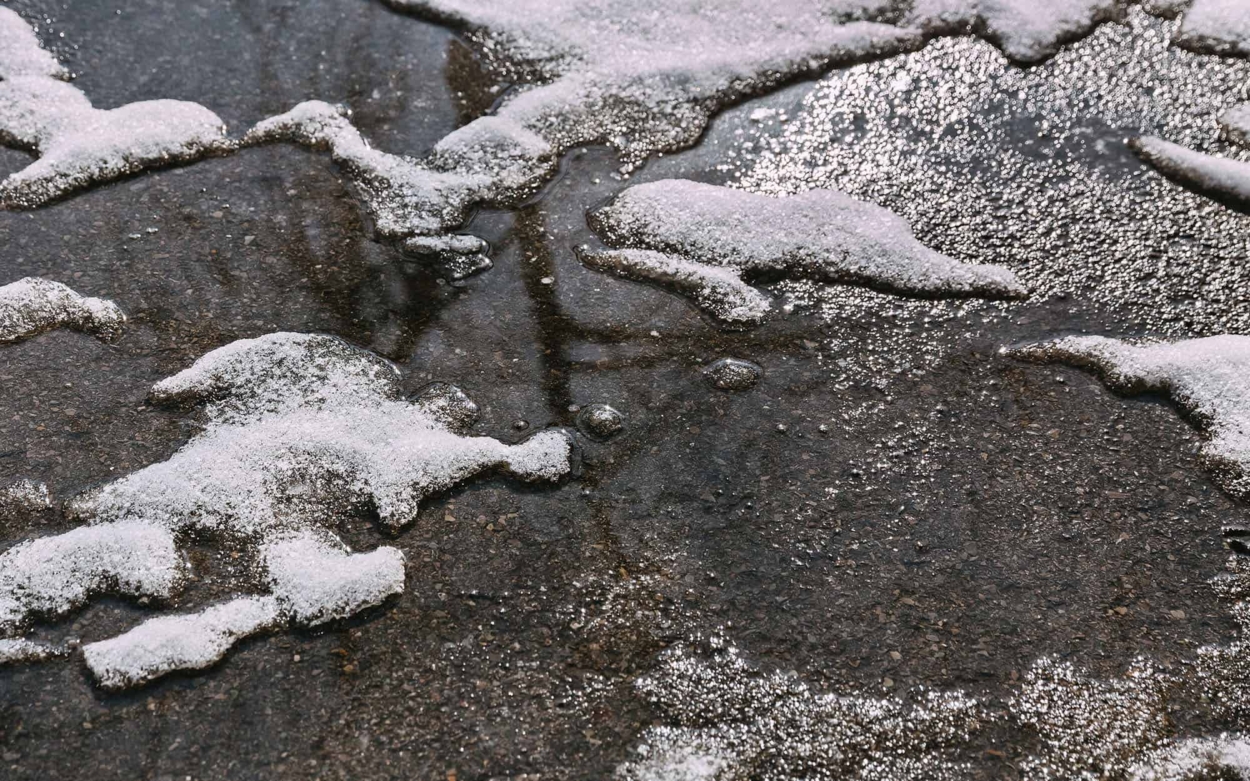
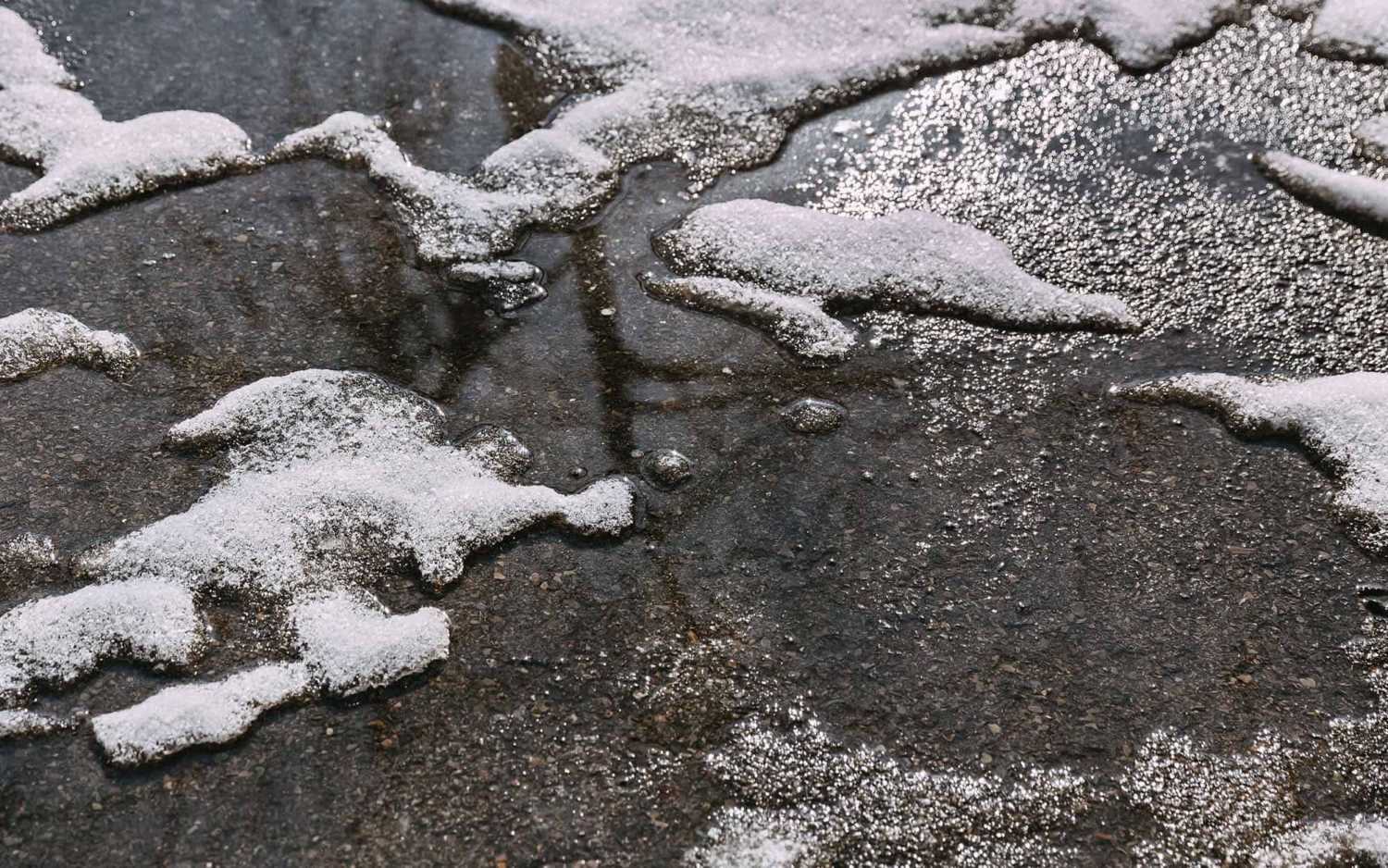
Asphalt expands and contracts with temperature changes. In winter, when snow and ice melt and refreeze, moisture can seep into small cracks and freeze overnight. This is called the freeze-thaw cycle, and it’s one of the biggest threats to your winter driveway’s integrity.
When water freezes, it expands. That expansion puts pressure on the asphalt, widening cracks and weakening the surface. Repeated freeze-thaw cycles cause long-term deterioration and eventually lead to potholes or sinking areas.
You may not notice this damage right away, but once spring arrives, it becomes obvious. Hairline cracks grow larger, edges crumble, and the once-smooth surface starts to look rough and uneven.
Before winter ends, it’s important to understand the damage snow and ice can cause. Below are the most common types of winter driveway damage and how to spot them early.
The Most Common Types of Winter Driveway Damage
Winter can take a toll in several ways. Below are the most frequent issues homeowners encounter after snow and ice.
Knowing how cracks form and how they worsen during freezing temperatures helps you take quick action.
- Cracks
Cracks form when moisture freezes inside the surface and expands. These can start as thin lines (called hairline cracks) and quickly develop into larger openings.What to look for:- Small zigzagging lines across the surface
- Cracks that widen or deepen over time
These dangerous surface holes are more likely to form during winter and early spring.
- Potholes
When snow and ice repeatedly thaw and refreeze inside small cracks or dips, they push pieces of asphalt loose. Over time, this creates potholes.What to look for:- Circular holes with loose gravel inside
- Uneven or bumpy areas that feel hollow beneath tires or feet
Driveway edges are particularly vulnerable in winter. Here’s how to spot early deterioration.
- Edge Crumbling
Snowplows and heavy snow equipment can put pressure on the sides of the winter driveway. This weakens the edges and can cause them to crack or fall apart.What to look for:- Broken-off corners
- Jagged or chipped edges
De-icing materials are convenient but can lead to surface wear. Here’s what to look out for.
- Surface Erosion
Salt and de-icers are useful in winter but can break down asphalt binders. This leads to surface erosion that dulls and weakens the appearance and performance of the driveway.What to look for:- A faded or gray appearance
- A rough texture or flaking surface
Snow removal is necessary during winter, but certain tools and methods can do more harm than good.
How Snow Removal Contributes to Damage
Snow removal is necessary, but if done incorrectly, it can cause additional problems. Many homeowners don’t realize how much damage improper driveway snow removal can cause.
Metal blades on snowplows or shovels can scrape and gouge the asphalt.
Improper snow-blow techniques can create uneven patches where moisture pools.
Shoveling too deep can chip away sealant and expose the surface to water and air.
Instead, use a plastic or rubber-tipped shovel, clear snow early before it compacts, and avoid leaving heavy snow piles near the edges of your winter driveway.
Stay ahead of damage with proactive asphalt services from Phillips Paving. Our repair services can help stop small issues from getting worse. Our Asphalt Repair
The Effect of De-Icing Salts on Your Driveway
De-icing products help melt snow and ice, but they also increase water absorption into your winter driveway. Salt attracts moisture, which speeds up freeze-thaw damage and can chemically weaken asphalt over time.
Prevention Tips for Protecting Your Driveway in Winter
While winter driveway damage is common, there are simple ways to reduce risk. Here are the top prevention strategies every homeowner should follow.
- Sealcoat Before Winter
Sealcoating acts like a shield for your asphalt. It keeps water, salt, and UV rays from penetrating the surface. It also restores the deep black color that improves curb appeal.Apply a new layer of driveway sealcoating every 2 to 3 years. For the best results, plan to sealcoat before cold weather arrives — ideally in late summer or early fall. - Maintain Proper Drainage
Standing water is a sign of trouble. Make sure your driveway slopes away from your home and that nearby gutters, downspouts, and yard drains are clear.Add drainage channels or adjust grading if water consistently pools near your garage or low points in the pavement. - Remove Snow the Right Way
Use a lightweight plastic shovel or a snow blower with padded skids to reduce surface contact. Always shovel with the slope of your driveway to minimize scraping. - Use Asphalt-Safe Ice Melt
Avoid rock salt or other harsh chlorides that degrade your surface. Instead, choose de-icing products labeled safe for residential asphalt driveway repair. Sand is another good option, offering traction without chemicals. - Schedule a Pre-Winter Inspection
Before winter sets in, have a paving professional inspect your winter driveway. They’ll identify small issues you may not see and recommend affordable asphalt maintenance for winter like patching or sealing.
When to Call a Professional for Winter Driveway Damage
It’s smart to watch for early signs of winter damage, but knowing when to call for help is even more important. Call a professional if you notice:
- Cracks that widen or deepen across the surface
- Water pooling after snowfall that won’t drain
- Loose gravel or visible potholes forming
- Chipping or crumbling along the edges
- A driveway cracked and sinking in one or more areas
A residential asphalt driveway repair expert can inspect the damage, recommend long-term fixes, and provide services like patching, crack sealing, or even full driveway resurfacing.
Why Winter Driveway Damage Happens in Kansas City
Kansas City’s climate features frequent freeze-thaw cycles, moderate snowfall, and seasonal rains, all of which contribute to accelerated winter driveway wear. Moisture infiltrates the surface, freezes, and expands. Road salt compounds the problem, leading to cracking, potholes, and discoloration by spring.
For homeowners in the region, investing in asphalt maintenance for winter is essential. If you’re in need of driveway resurfacing Kansas City homeowners trust, schedule a spring assessment to address winter damage quickly.
Protect Your Driveway in Every Season With Phillips Paving
Phillips Paving helps homeowners take care of their asphalt year-round. Whether you’re seeing damage or just want to avoid future issues, we offer inspections, asphalt maintenance for winter, and full residential asphalt driveway repair. Reach out today for a winter inspection homeowners rely on.