
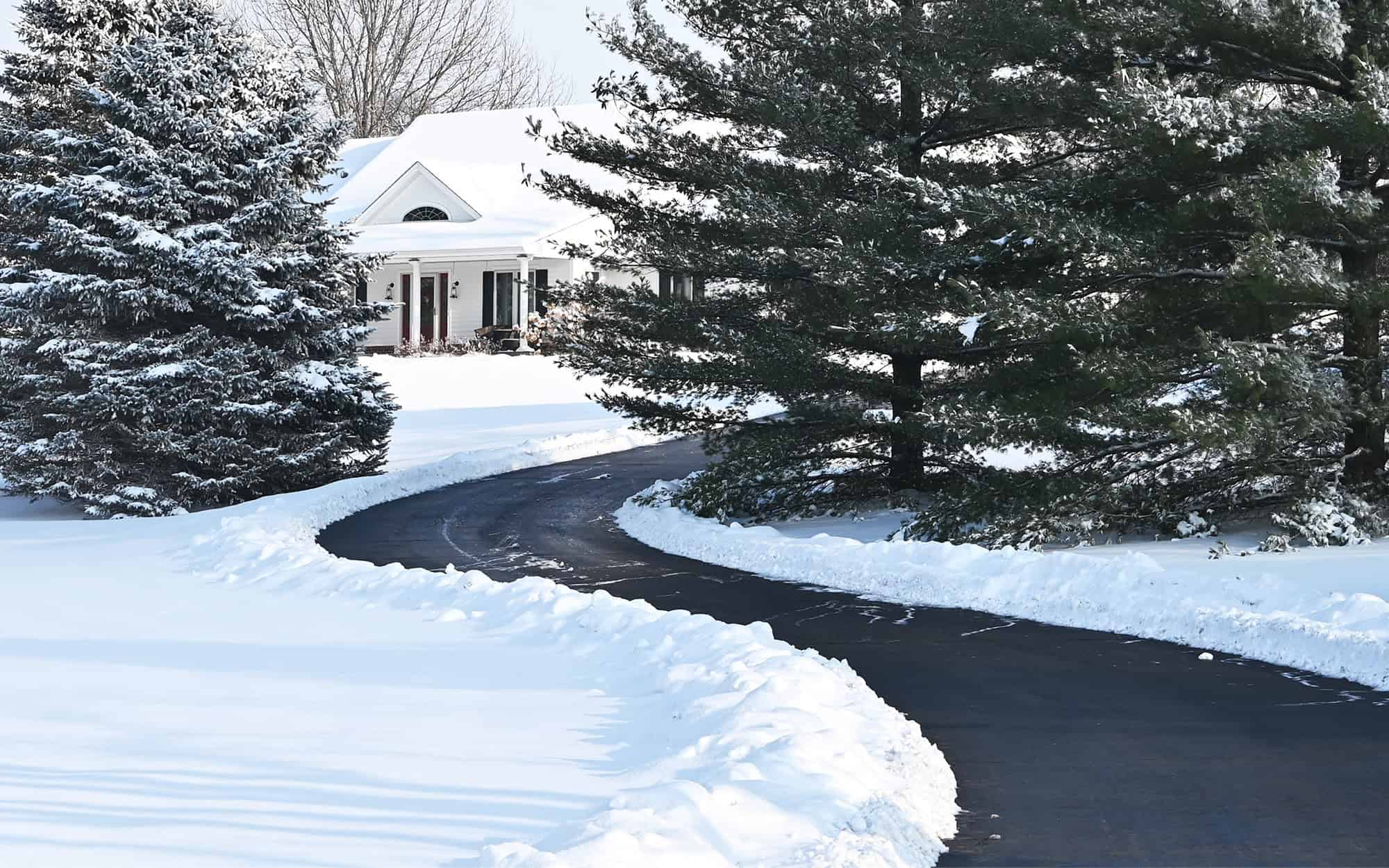
 Living in Kansas City means facing everything from freezing winters to scorching summers, and those seasonal extremes can do real damage to your driveway. If not properly managed, these weather changes can shorten your asphalt driveway’s lifespan.
How Freeze-Thaw Cycles Cause Asphalt Damage
The freeze-thaw cycle is one of the biggest threats to your driveway’s condition. When water seeps into small cracks in the asphalt and then freezes, it expands. As it thaws and refreezes repeatedly, the expanding ice pushes the asphalt apart, making the cracks larger over time.
This is particularly problematic in Kansas City, where winter temperatures fluctuate around the freezing point. That constant shifting accelerates the breakdown of your asphalt, shortening the asphalt driveway lifespan considerably.
Many homeowners are surprised to see that small cracks become larger splits or even potholes at the end of each winter. That’s the power of freeze-thaw in action.
Summer Heat and UV Exposure
While winter brings freeze-related challenges, summer heat has its own effect. Prolonged exposure to high temperatures and UV rays causes asphalt to dry out and become brittle. Softening can occur on extremely hot days, especially if your driveway is already aging or poorly maintained.
The sun’s UV rays also break down the chemical bonds in asphalt, leading to oxidation. This makes your driveway lose its rich black color and turn gray over time—a visual sign that the surface is becoming more fragile.
When asphalt gets too brittle, it’s more likely to crack under the weight of vehicles. This damage might not be as sudden as freeze-thaw, but it’s just as important in determining your driveway’s lifespan.
Spring and Fall: Water Infiltration and Drainage Problems
Spring showers and autumn rains might seem harmless, but poor drainage can cause water to pool on your driveway. When water doesn’t properly run off the surface, it seeps into small openings and accelerates surface deterioration.
Kansas City homeowners should be especially cautious in spring and fall, when rainfall is heaviest. Proper driveway grading and timely crack repairs are essential to keeping moisture from causing deeper problems.
Pooling water not only weakens the surface but can also cause shifting beneath the asphalt layer. This creates uneven areas that lead to further cracking and trip hazards.
Most Common Weather-Related Driveway Issues
Seasonal weather extremes in Kansas City lead to a range of visible and hidden issues in asphalt driveways. Here are a few you might encounter:
- Cracks: Thin surface cracks from cold winters or dry summers
- Potholes: Formed from long-term water infiltration and freeze-thaw cycles
- Fading Color: Caused by sun exposure and UV breakdown
- Rutting: Depressions from softening asphalt and heavy vehicle use
- Erosion: Resulting from poor drainage or unchecked runoff
All these signs indicate that the asphalt driveway lifespan may be at risk. Early identification is key to taking action before damage becomes severe.
Seasonal Maintenance Tips to Extend Lifespan
Each season requires its own care routine. Following these tips can help protect your driveway year-round:
Winter
- Shovel promptly to prevent freeze-related damage
- Avoid using harsh chemical de-icers that damage asphalt
- Fill visible cracks before snow and ice arrive
Spring
- Inspect for new cracks or potholes and repair quickly
- Clean off debris to prevent mold or water retention
- Reseal if last sealcoating was over two years ago
Summer
- Consider sealcoating to protect from UV rays and heat
- Avoid parking heavy vehicles during peak heat
- Water your driveway occasionally to reduce surface dryness
Fall
- Clear leaves to prevent staining and moisture buildup
- Repair any cracks before cold weather sets in
- Ensure proper water runoff to avoid winter pooling
Seasonal care is your first line of defense in preserving your asphalt driveway lifespan.
How Often Should You Sealcoat in Kansas City?
Sealcoating adds a protective layer to your driveway that guards against water, UV rays, and chemicals. In Kansas City, it’s generally recommended to sealcoat your driveway every 2 to 3 years. However, high-traffic driveways or those exposed to extreme weather might need more frequent applications.
Sealcoating keeps your asphalt flexible and less prone to cracking. It also restores that deep black finish, improving curb appeal in addition to protection.
Why Professional Inspections Matter
Even the most attentive homeowners might miss early signs of damage. That’s why professional inspections are so valuable. A trained paving expert can identify minor issues before they become major repairs and provide guidance on when to reseal or resurface.
Having your driveway checked once a year, especially in spring or fall, can add years to your asphalt driveway lifespan and save money over time.
Extend your driveway’s life with asphalt services from Phillips Paving. Discover how we can help protect your driveway year-round with inspections, sealcoating, and resurfacing designed for Midwest conditions. Contact Us Today.
Can Weather Damage Be Prevented Entirely?
While no driveway is immune to the forces of nature, proactive care significantly reduces damage. Think of maintenance like an insurance policy for your property. You may not be able to stop the rain or cold, but you can prepare your driveway to handle it better.
When you combine good drainage, sealcoating, timely crack repair, and occasional resurfacing, you give your driveway the best chance at lasting 20 years or more—even in Kansas City’s unpredictable climate.
The Role of Resurfacing in Lifespan Extension
If your driveway has seen better days but doesn’t need a full replacement, resurfacing is a great middle-ground solution. It adds a new layer of asphalt over the existing one, smoothing out imperfections, closing up cracks, and reinforcing structural integrity.
Resurfacing is less expensive than tearing everything out and still adds 8 to 15 years to your driveway’s usable life. It also renews your driveway’s look and function, helping reduce the effects of seasonal damage.
Tackle Kansas City Weather Challenges With Phillips Paving
With decades of experience in the Kansas City region, Phillips Paving knows how local weather impacts asphalt better than anyone. Whether you need a seasonal checkup, fresh sealcoat, or a full resurfacing, our team is ready to help you protect your driveway from Kansas City’s toughest elements.
Discover how our asphalt services ensure your driveway stays strong all year long.