
 Driveways take a daily beating from cars, sun, rain, and time. Over the years, this wear adds up, and if you’re not paying attention, small problems can turn into major ones. That’s why understanding driveway resurfacing signs is so important. Catching issues early can save you money and prevent bigger problems.
Continue reading to explore the most common indicators that your driveway may need resurfacing. We’ll help you figure out if resurfacing is the right fix or if replacement is necessary, and we’ll explain what steps to take next.
The Lifespan of an Asphalt Driveway
Before discussing warning signs, it’s helpful to understand how long an asphalt driveway should last. On average, it lasts 15 to 20 years, but that can vary depending on climate, usage, and maintenance.
Factors That Shorten Driveway Lifespan
If your driveway is nearing the 15-year mark or older, looking for signs of wear is smart. Here’s what can shorten its life:
- Frequent freezing and thawing
- Heavy vehicle traffic
- Poor drainage or standing water
- Lack of maintenance, like sealcoating or crack filling
Even a well-built driveway will eventually need resurfacing. The key is knowing when it’s time. Let’s go over five of the biggest driveway resurfacing signs.
Sign #1: Cracked Driveway Surfaces
Cracks are one of the most visible driveway resurfacing signs and shouldn’t be ignored. While a few hairline cracks are normal, wide, deep, or widespread cracks can be a red flag. These cracks may worsen with seasonal weather changes and can allow water to seep into the foundation of the driveway, leading to further structural problems if left untreated.
When Do Cracks Mean Trouble?
Small cracks can usually be filled. But when they spread across the surface or start forming spiderweb patterns, it’s a sign that the top layer is failing.
Common causes include:
- Water is seeping in and freezing
- UV damage from sun exposure
- Natural settling or shifting of the ground
If your cracked driveway looks worse after each season, resurfacing may be the right solution.
Sign #2: Potholes and Depressions
Potholes aren’t just annoying—they’re dangerous. If your driveway has dips, craters, or uneven spots, it’s time to take action. Over time, what starts as a minor depression can expand into a major hazard that affects your property’s appearance and safety. Fixing potholes early with resurfacing is much more cost-effective than allowing them to expand and cause deeper structural problems.
Why Potholes Can’t Be Ignored
Potholes form when moisture enters small cracks and expands as it freezes. The result is crumbling, broken pavement that worsens with every tire.
- Potholes can damage vehicle tires and suspension
- They create tripping hazards for people and pets
- They often signal deeper driveway damage beneath the surface
If your driveway has one or more potholes, don’t wait—resurfacing can restore the surface before things worsen.
Sign #3: Fading Color and Surface Wear
Has your once-deep black driveway turned gray or patchy? That’s another telltale sign of wear. Fading is often caused by long-term exposure to sunlight and can signal that your asphalt is drying out and becoming brittle. This makes it more vulnerable to cracks and other types of damage over time.
The Problem with Surface Fading
Fading may not seem serious, but it indicates the asphalt’s protective surface is breaking down. Over time, this wear makes the driveway more vulnerable to cracks, erosion, and water damage.
Common contributors:
- Long-term sun exposure (UV damage)
- Harsh winters and salt use
- Heavy traffic and weather cycles
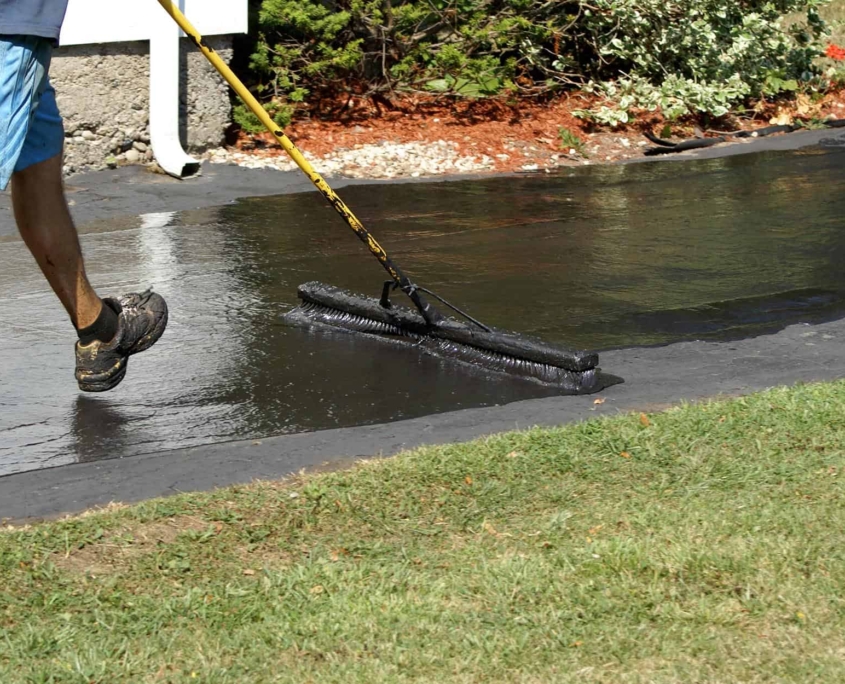
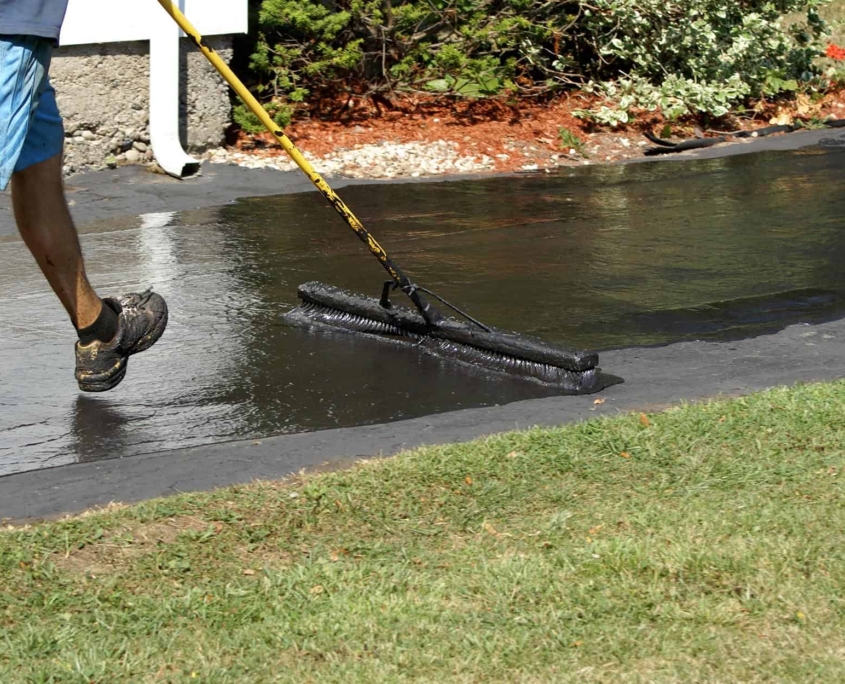
If your driveway looks dull and worn, resurfacing can refresh the top layer and bring back that like-new appearance.
Sign #4: Pooling Water or Drainage Issues
A good driveway should shed water, not collect it. If you see puddles or water that doesn’t drain properly, you may have more than a cosmetic issue. Pooling water is often a sign of low spots or compromised grading, both of which can lead to long-term structural damage. Over time, this moisture can weaken the foundation and contribute to cracks and potholes.
Why Drainage Matter
Standing water accelerates driveway breakdown. It seeps into small cracks and causes erosion beneath the surface. This can lead to deeper problems such as:
- Foundation weakening
- Cracking and pothole formation
- Icy hazards in winter
Driveways with persistent drainage issues are great for resurfacing, especially if the base layer remains intact.
Don’t let your investment go down the drain. Resurface your driveway with Phillips Paving before your driveway shows more signs of damage. Contact us Today!
Sign #5: Rough or Uneven Driving Experience
Do you feel a bumpy ride when pulling in or out of your driveway? Are there dips or raised areas where the surface used to be smooth? These changes are more than just minor annoyances. They can indicate underlying issues with the base layer of your driveway that are beginning to shift or deteriorate. Left unchecked, these problems can worsen, leading to more costly repairs or even full replacement down the line.
When the Surface No Longer Feels Right
Uneven surfaces create:
- Increased wear on your vehicle’s suspension
- Water is pooling in low areas
- Hazards for people walking across the surface
If the driveway feels uneven or unsteady beneath your wheels, resurfacing can restore its smooth, functional surface.
When Resurfacing Isn’t Enough
While driveway resurfacing signs help you decide on repairs, it’s important to know when resurfacing isn’t the answer. Full replacement may be necessary if your driveway has structural damage, multiple deep potholes, or severe drainage issues.
Key Differences Between Resurfacing and Replacement
- Resurfacing adds a new layer to the existing surface and is ideal for cosmetic or surface-level problems.
- Replacement involves tearing out and rebuilding the entire driveway when damage runs deeper.
A professional contractor can evaluate the severity of your issues and help you choose the right solution for your budget and goals.
The Right Time to Resurface
Waiting too long to resurface can lead to more costly repairs. If you’ve noticed several of these signs, it’s better to act now than later. Most homeowners can expect to need resurfacing every 10 to 15 years, depending on usage and conditions.
Now That You Know the Signs, It’s Time to Resurface With Phillips Paving
At Phillips Paving, we specialize in keeping your driveway safe, smooth, and beautiful. We understand the common problems homeowners face and offer expert assessments to determine whether resurfacing is right for you. Don’t let cracks, potholes, or uneven spots reduce your curb appeal or create hazards. Let us bring new life to your driveway with expert asphalt solutions that fit your budget.