
 If you’ve noticed cracks, potholes, or uneven areas on your asphalt surface, you’re probably wondering whether it’s time for a complete replacement or if resurfacing can fix the problem. The right approach depends on factors like your asphalt’s overall condition, how old it is, and whether there’s any serious damage lurking beneath the surface. Making the wrong choice could lead to unnecessary expenses or repeated repairs in the not-too-distant future.
To help you decide, this guide digs into the differences between asphalt repaving vs. resurfacing, highlighting when each is most effective, how they differ in terms of cost and results, and what to keep in mind before making a final call.
Understanding the Basics: Repaving Vs. Resurfacing
Before diving into the specifics of when you should choose asphalt repaving vs. resurfacing, it’s helpful to understand the basic distinctions between the two.
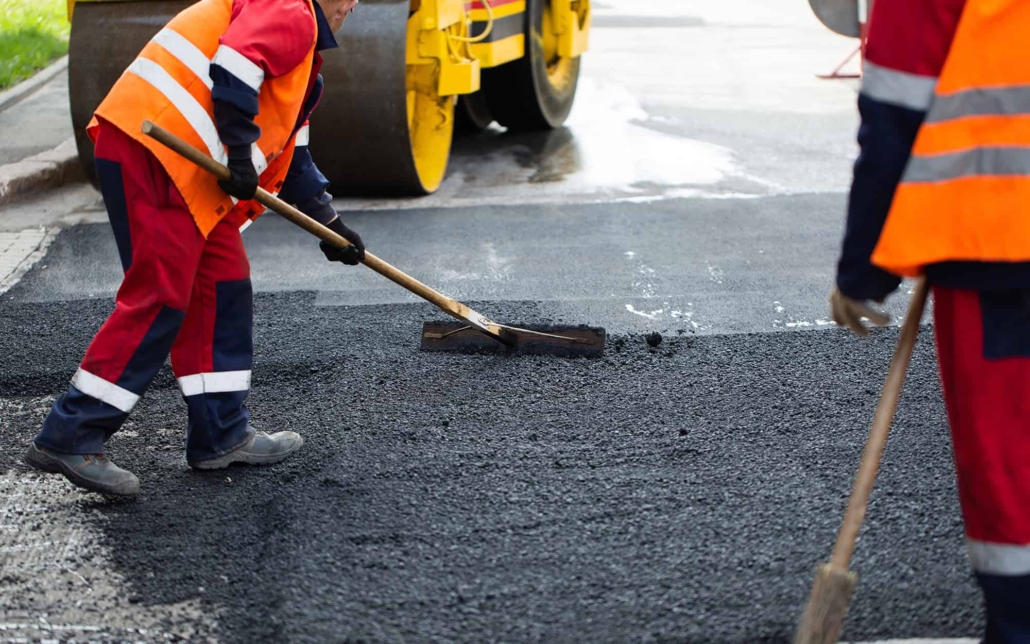
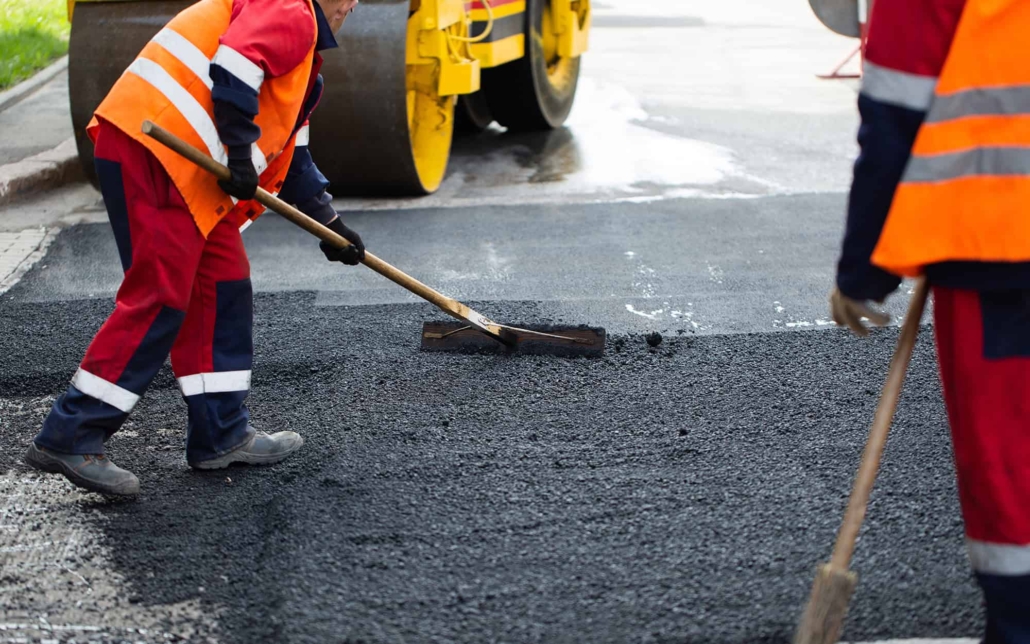
Resurfacing involves placing a fresh layer of asphalt over an existing surface. This restores a relatively smooth and even finish without tearing out the entire pavement. However, it relies on the existing asphalt base being stable and generally free from serious structural damage.
Replacement (often called repaving) involves removing most or all of the old asphalt, and sometimes even repairing or rebuilding the base layers underneath. In other words, you’re starting from scratch. Although this can be more expensive and time-intensive, a complete replacement typically ensures that deeply rooted issues are addressed, creating a new foundation that can last for decades when maintained properly.
When Is Asphalt Resurfacing the Right Choice?
Resurfacing is often considered the “middle ground” between minor patching work and a full reconstruction. It typically involves milling away a small portion of the old asphalt, correcting any surface irregularities, and then installing a new layer on top. If your pavement looks worn but still has a solid foundation, resurfacing can restore its appearance and function without the steep cost of a full replacement.
A good candidate for resurfacing is an asphalt surface that has mild to moderate cracking or fading but hasn’t yet developed major potholes or deep structural flaws. In many cases, it’s an excellent option if your asphalt is less than 15 or 20 years old. By adding a fresh top layer, you can expect to extend the life of your pavement by another 10 to 15 years, assuming you keep up with routine maintenance afterward.
One of the biggest benefits of resurfacing is that the process is quicker and more affordable than a complete rebuild. Because you’re not ripping out all the asphalt and the underlying base layers, labor and material costs tend to be lower. Additionally, resurfacing typically means less downtime for heavily used areas like commercial parking lots or busy driveways. As soon as the new layer is installed and cools properly, you can get back to regular activities with minimal disruption.
Resurfacing, however, isn’t a cure-all. If there are major drainage issues or large cracks that run deeper than a couple of inches, simply putting a new top layer on might only mask the symptoms temporarily. That’s why it’s crucial to get a professional assessment that looks at the underlying base, drainage, and any structural problems that could undermine the resurfacing effort over time.
When Is a Complete Asphalt Replacement Necessary?
Although resurfacing pavement can address many cosmetic and superficial problems, there are times when a total rebuild is the only path to lasting improvement. This usually applies if your asphalt has deep cracks, widespread potholes, or foundational problems like serious drainage failures. In these cases, trying to patch or resurface the surface might provide only a short-term fix, and you could end up needing another major overhaul sooner rather than later.
A full replacement, or repaving, removes all or most of the existing asphalt. In many instances, workers will also repair or rebuild portions of the base layers, ensuring that the new pavement lies on a stable foundation. While this can be more of an upfront investment, the advantage is that it addresses root causes—like water infiltration, a poorly compacted base, or severe aging of the asphalt. Once the old surface is peeled away, you’re effectively starting fresh, which means the finished product can last 20 to 30 years with proper care.
Replacement is especially critical if your asphalt is more than 20 to 25 years old and has never undergone major rehabilitation. It also becomes necessary if you see multiple large cracks that extend well into the sub-base or if the pavement is riddled with potholes and depressions that keep reappearing, no matter how often they’re patched. Another situation that justifies a full rebuild is when drainage issues are so extensive that they can’t be corrected by minor adjustments to the surface.
Of course, replacement takes longer and may require more of a budget, but it gives you a clean slate. You’ll not only get a smoother, sturdier top layer but also the peace of mind that comes from knowing the substructure has been properly repaired or replaced.
Choosing between asphalt repaving vs. resurfacing can be tough. If you’re looking for professional guidance, visit our page on asphalt resurfacing solutions to find out if it’s the right choice for you.
Key Factors to Consider Before Making a Decision
Choosing between repaving vs. resurfacing depends on several factors:
Extent of Damage
If your asphalt mostly has superficial cracks or mild wear, resurfacing might be enough to give it a new life. Deep cracks, extensive potholes, or structural damage often call for full replacement.
Age of the Asphalt
Pavement that’s nearing or past the 20-year mark may be reaching the end of its natural lifespan. Resurfacing typically works best for surfaces that haven’t reached this threshold—or that still have a healthy base beneath them.
Underlying Base Conditions
A stable, well-compacted base is the foundation of a lasting pavement. If your base has been compromised by water infiltration or poor construction, no amount of resurfacing on top will solve the underlying issues. In that case, replacement is more appropriate.
Budget and Long-Term Goals
While resurfacing is usually less expensive, it won’t fix deep structural issues. If your goal is a long-term, worry-free surface, investing in a replacement could be the more economical solution over the lifespan of the pavement.
Drainage Concerns
Water is asphalt’s worst enemy. If your lot, driveway, or roadway struggles with standing water or poor runoff, a deeper correction might be required to prevent ongoing deterioration.
Putting It All Together: Which Option Is Best?
At the end of the day, deciding between resurfacing and replacement depends on a thorough evaluation of your existing asphalt. If the cracks are mostly on the surface and the foundation is stable, resurfacing can refresh your pavement at a fraction of the cost of a full rebuild. On the other hand, major structural damage or persistent problems like pooling water often make replacement the more prudent choice.
Don’t forget that either approach—resurfacing or replacement—will benefit from a solid maintenance routine. Regular sealcoating, timely crack repairs, and proper drainage all help to extend the life of your asphalt, whether it’s brand new or recently resurfaced. Think of maintenance as protecting your investment; the better you care for your asphalt, the longer it will last.
If you need personalized advice on whether resurfacing or replacement is right for you, reach out to Phillips Paving. With decades of experience and a focus on delivering durable, high-quality results, they’ll help you navigate your options and get the most from your asphalt investment. Contact them today for a thorough assessment and a customized plan that suits your property’s needs.