
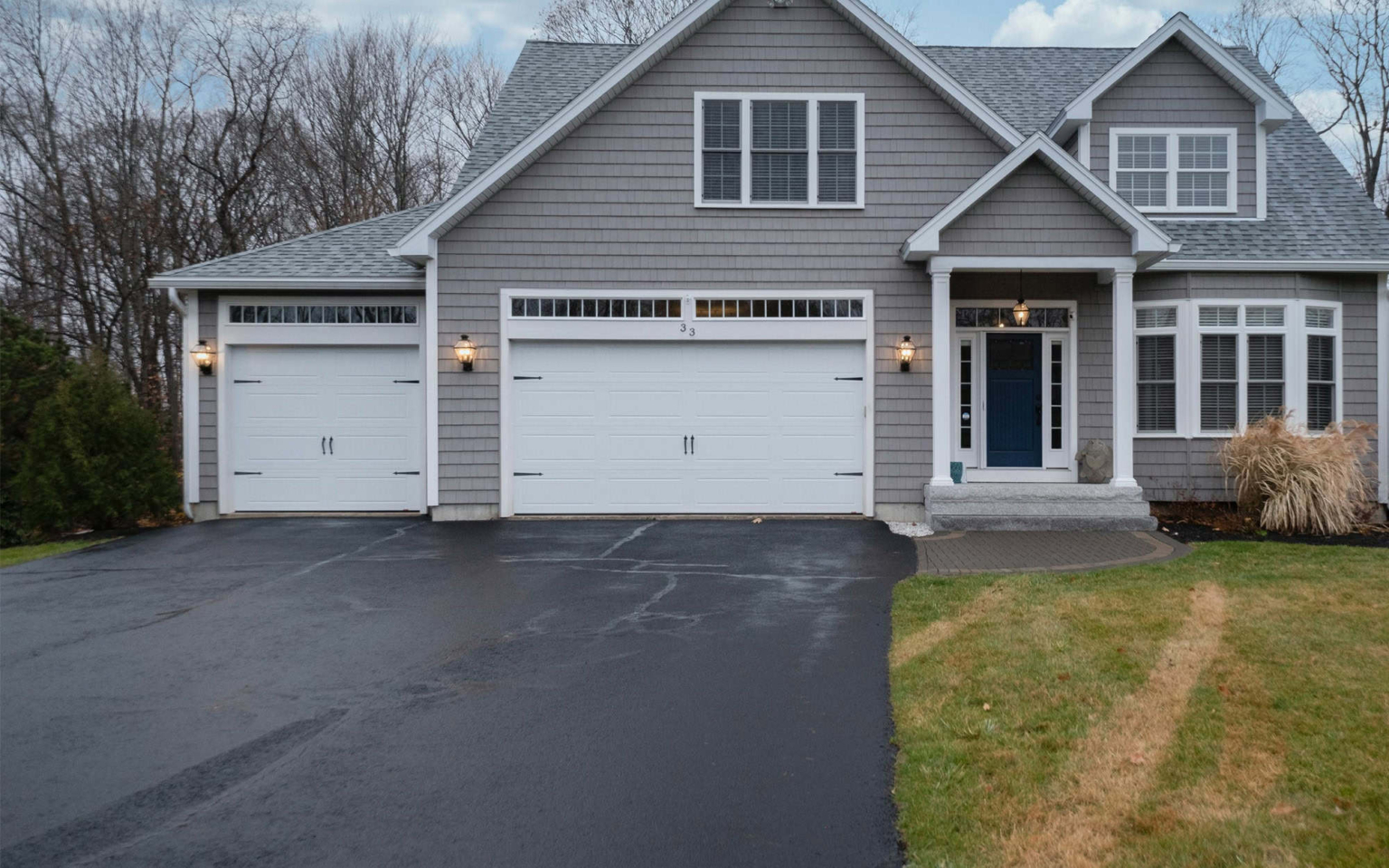
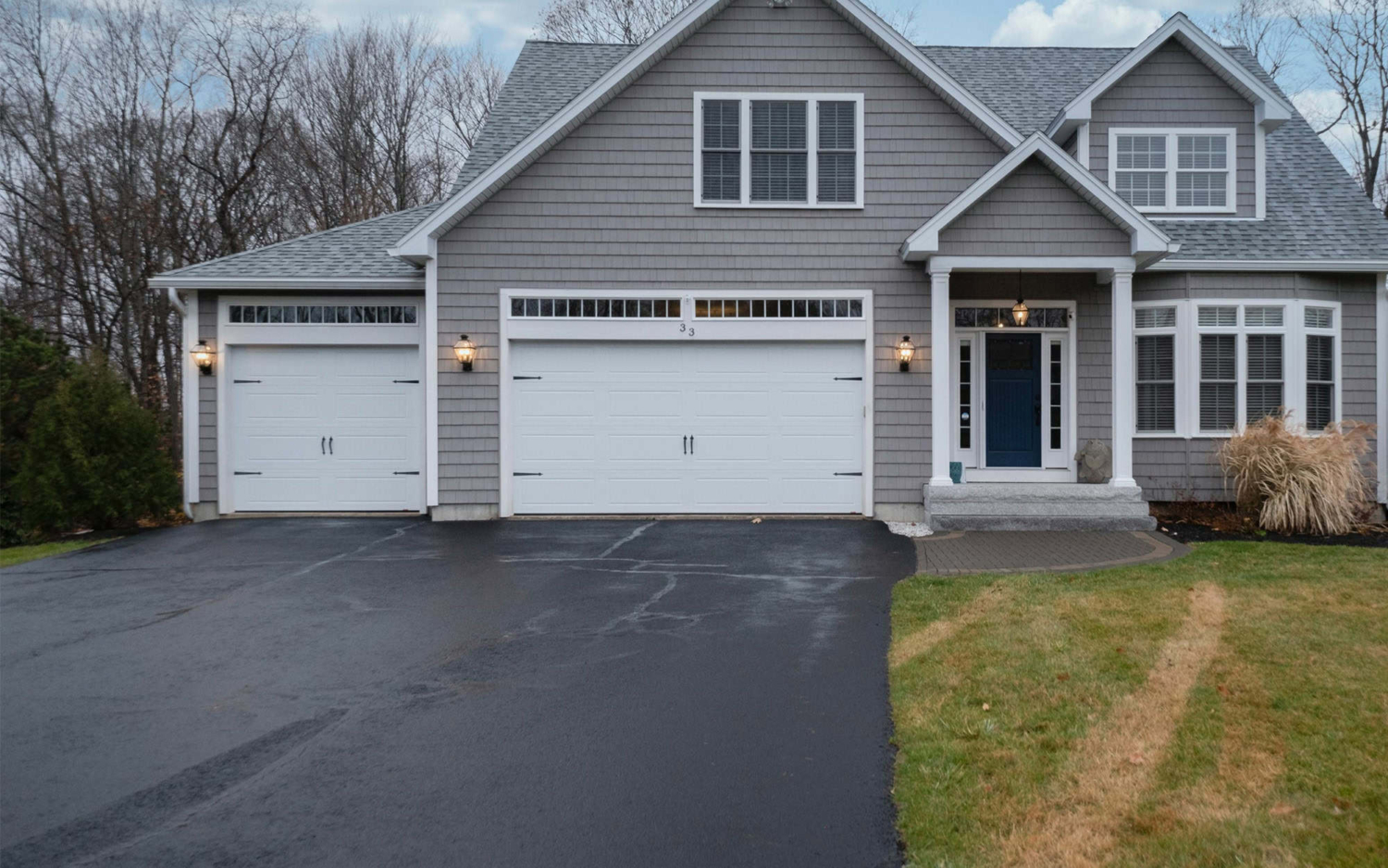
 Winter can be especially tough on your asphalt driveway. Between freeze-thaw cycles, heavy snow, and ice-melting chemicals, your pavement takes a beating. Explore this step-by-step checklist to help you inspect, maintain, and plan for repairs to keep your driveway looking great and performing safely year-round. These asphalt driveway maintenance tips are designed to help you catch problems early and extend your driveway’s life.
Why Winter Causes So Much Driveway Damage
Asphalt is a flexible material, but extreme temperature shifts and moisture can weaken its structure over time. One of the biggest culprits is the freeze-thaw cycle. When water seeps into cracks and freezes, it expands, causing the cracks to grow. When the ice melts, it leaves behind gaps, weakening the pavement and inviting more moisture in.
Snowplows, salt, and other ice-melting products also contribute to surface wear, while snow buildup can hide developing issues until it’s too late. After just one winter season, a previously smooth surface can start to show serious signs of damage.
That’s why homeowners in colder climates should pay extra attention to their driveway every spring. Simple asphalt driveway maintenance tips can make all the difference in catching damage before it worsens.
Step-by-Step Driveway Inspection Checklist
Once the snow melts and your driveway is fully visible, you can begin your springtime assessment. This checklist will help you catch issues early and decide whether your driveway needs sealcoating, resurfacing, or repairs. These asphalt driveway maintenance tips are organized by what to look for during your first warm-weather walkthrough.
1. Look for Cracks and Surface Breaks
Cracks are the most common sign of winter damage. Check for:
- Hairline cracks (often caused by aging or minor shifts)
- Alligator cracks (interconnected patterns resembling alligator skin)
- Linear cracks running along the width or length of the driveway
Small cracks can usually be filled, but large or deep ones may indicate underlying base damage.
2. Check for Potholes or Depressions
Potholes form when water seeps into cracks and erodes the base layer of the asphalt. If you find any depressions, indentations, or crumbling sections, this could mean more extensive repair is needed. Catching them early can prevent worsening damage and eliminate safety risks.
3. Assess Drainage and Water Pooling
Improper drainage causes long-term driveway damage. If water pools in certain areas after rain or snowmelt, your driveway may have grading issues. Pooled water accelerates deterioration and increases the chances of cracks and potholes forming.
Asphalt should have a deep black color when in good condition. If your surface appears gray or faded, it likely needs sealcoating. Loss of color also indicates exposure to UV damage and oxidation, which reduce asphalt flexibility. Asphalt driveway maintenance tips often include sealcoating as a first step in restoring surface integrity.
5. Inspect the Edges of the Driveway
Driveway edges often take the most abuse during winter. Snowplows, ice, and runoff can cause cracking, crumbling, or edge sinking. Secure, well-maintained edges help preserve the structure of the entire surface.
6. Check for Vegetation Growth
Weeds or grass sprouting through cracks are a sign that the cracks have existed long enough for seeds to take root. This means the damage is already substantial, and water intrusion is likely occurring underneath.
When to Sealcoat vs. Repair or Resurface
Not all damage requires the same level of maintenance. Here’s how to tell what your asphalt driveway needs based on your inspection. These asphalt driveway maintenance tips help you avoid overspending while protecting your pavement.
Sealcoating: The Preventative Option
If your driveway is mostly intact with only minor hairline cracks and fading, sealcoating is a great option. It restores color, provides a moisture barrier, and protects against UV damage. Sealcoating should be applied every two to three years for best results.
Crack Filling: Targeting Small Repairs
Crack filling works well for isolated cracks that haven’t yet formed potholes or spread into complex patterns. This prevents water infiltration and further deterioration.
Resurfacing: A Fresh Layer for Moderate Damage
If your surface has multiple cracks, light potholes, or poor drainage but the foundation is still stable, resurfacing may be the best solution. This process involves laying a new asphalt layer over the existing surface to extend its life.
Replacement: When the Base Has Failed
When the damage is widespread, the asphalt has heaved or sunk, or drainage cannot be corrected through resurfacing, a full replacement may be necessary. This is typically the last resort for severely damaged driveways.
Why Freeze-Thaw Cycles Are So Damaging
Freeze-thaw cycles are one of the leading causes of asphalt driveway damage. These cycles happen when daytime temperatures rise above freezing, melting snow and ice, and then fall below freezing at night. The result? Repeated expansion and contraction of trapped moisture within the asphalt.
Over time, this movement weakens the structure and causes cracks to widen. Preventing moisture infiltration before winter is the best defense—a well-sealed surface resists cracking, even during harsh freeze-thaw cycles.
This type of driveway damage may be hard to spot at first, but it accumulates quickly. That’s why timely inspections are key.
Schedule Repairs Before Peak Season
Spring is the perfect time to schedule asphalt repair or maintenance. Waiting until summer or fall can leave you competing for appointments with other homeowners and businesses, which may delay needed service.
By addressing issues early, you also prevent further damage as temperatures warm up and rainfall increases. Getting your driveway in shape during spring ensures it will be strong and weather-resistant through the rest of the year.
Following early asphalt driveway maintenance tips in spring helps you avoid higher repair costs down the road.
Protect your asphalt early with Phillips Paving. Explore our maintenance services and catch damage early to avoid expensive repairs. Contact Us Today!
Benefits of Proactive Maintenance
Taking care of your driveway saves you money and keeps your property looking great. A well-maintained driveway improves curb appeal and can increase your home’s value, especially if you’re considering selling in the future.
Proactive repairs also minimize liability risks. A cracked or uneven driveway can lead to trips and falls, especially for kids and seniors. Sealing those cracks before they grow helps you avoid these hazards.
Finally, regular maintenance is simply less expensive than full replacement. Spending a little each spring can add years to your driveway’s lifespan.
Driveway Damage Isn’t Always Obvious
Even if your driveway looks fine on the surface, there could be underlying problems developing. That’s why a professional inspection is helpful, especially after a particularly harsh winter. A trained eye can spot early warning signs that may not be visible to homeowners.
When in doubt, it’s better to ask a professional than to wait until damage becomes too advanced to fix easily. These asphalt driveway maintenance tips help you stay ahead of invisible issues.
Strengthen Your Driveway with Phillips Paving
At Phillips Paving, we help homeowners throughout the Kansas City area keep their driveways strong and safe through every season. Our experts provide honest recommendations and high-quality workmanship that delivers long-term results. Contact us today to schedule your free estimate and take the first step toward a better-looking, longer-lasting driveway.