
 Keeping your driveway in excellent shape is more than just about curb appeal. It’s about protecting your investment and avoiding costly replacements. Knowing when to resurface your asphalt driveway is one of the smartest ways to extend its life and save money. Let’s take a closer look to understand how often to resurface, what impacts that timeline, and how to keep your asphalt looking and performing its best.
How Long Does a Resurfaced Driveway Last?
On average, a resurfaced asphalt driveway can last 8 to 15 years before it needs to be resurfaced again, assuming it was built on a stable foundation and properly maintained. This typical timeline is influenced by local climate, how much use it gets, and how diligently homeowners handle upkeep.
To protect the lifespan of asphalt, experts recommend evaluating the condition of your driveway every few years and planning to resurface about every decade. Staying ahead of major damage by resurfacing on this schedule helps avoid the much greater cost of a complete replacement.
Influential Factors in the Lifespan of Asphalt
While there’s a general timeline for how often to resurface your asphalt driveway, several key factors can shorten or extend that period. Understanding what plays into the wear and tear on your driveway helps you plan smarter and catch problems early.
Traffic and Load Weight
How much weight and daily traffic your driveway supports has a major impact on how quickly it wears down. Driveways used by large SUVs, RVs, delivery trucks, or trailers endure much heavier loads than those used by compact cars. Concentrated pressure from parking in the same spot repeatedly causes stress cracks and small indentations.
Over time, these weaknesses expand, forcing you to resurface your asphalt driveway far sooner than a lighter-use driveway would require.
Climate and Weather Conditions
Extreme weather is one of the biggest threats to your asphalt driveway. In colder regions, freeze-thaw cycles repeatedly expand and contract the surface, opening cracks that invite water below. Hot, sunny climates soften asphalt, making it more prone to ruts and warping under weight. Heavy rain can wash away support layers underneath.
All these conditions shorten how long you can wait before needing to resurface your asphalt driveway, demanding more frequent attention in harsh climates.
The older your driveway, the more likely it is to develop issues that push up the resurfacing schedule. But age isn’t the only concern, as the quality of the original installation matters just as much. A driveway built with an inadequate base, thin asphalt, or poorly compacted materials may show serious problems after just a few years.
These structural weaknesses reduce how well the driveway holds up under resurfacing and how long it lasts before needing new work.
Maintenance History
Routine driveway maintenance is important for maximizing the time between resurfacing. Homeowners who regularly sealcoat, clean, and repair their driveways see far fewer cracks and less surface aging. By contrast, driveways neglected for years develop oxidized, brittle surfaces that crack and erode faster.
Without proactive care, water and UV rays quickly break down asphalt, accelerating the need to resurface your asphalt driveway and shortening the expected lifespan of your investment.
Drainage and Water Management
Water is one of asphalt’s worst enemies. If your driveway doesn’t slope properly or lacks good drainage, water pools on the surface and seeps underneath. This weakens the foundation, washes away essential support layers, and causes cracks to widen. Over time, these hidden problems force homeowners to resurface their asphalt driveway far sooner than expected.
Installing or maintaining proper drainage helps protect your asphalt’s integrity and is crucial to the long-term lifespan of asphalt surfaces.
Discover how long your resurfaced asphalt driveway could last by learning more about the typical lifespan and what factors affect its durability. Contact Us Today
Tips for Extending the Lifespan of Your Asphalt Driveway
While you can’t control the weather or the age of your driveway, there are many proactive steps you can take to delay your next resurfacing project. Simple, consistent care preserves your asphalt for as long as possible.
Sealcoat Regularly
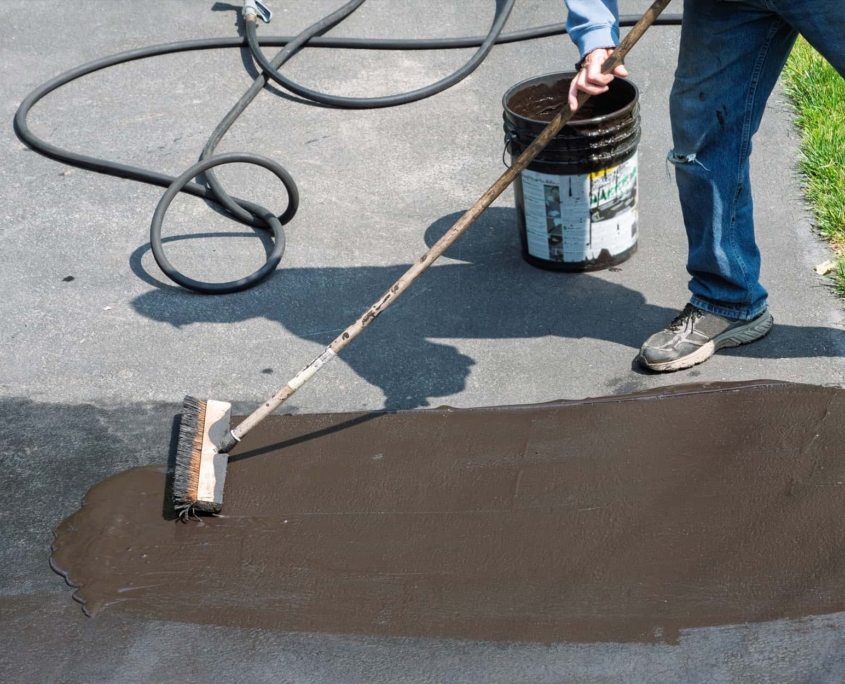
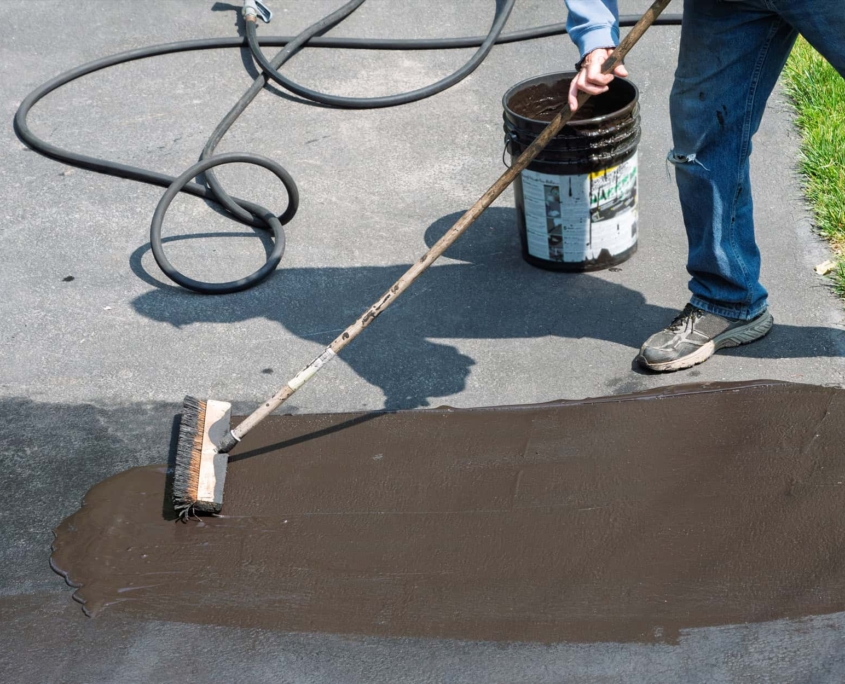
Sealcoating is one of the best protective measures you can take. It shields your driveway from UV rays, water penetration, and oil spills. Applying a fresh seal coat every 2-3 years can add years to the life of the surface, pushing back the time you’ll need to resurface your asphalt driveway.
Keep It Clean and Debris-Free
Leaves, dirt, and oil stains don’t just look bad, they break down the asphalt binder over time. Sweep your driveway often and clean up spills quickly to protect the surface. This simple habit reduces the risk of staining and small cracks that expand into larger problems.
Repair Minor Cracks Promptly
Even tiny cracks invite water beneath the surface, where it can cause substantial damage. Fill small cracks as soon as they appear to prevent them from spreading. Addressing minor issues quickly helps maximize the time before you’ll have to resurface your asphalt driveway again.
Be Mindful of Heavy Loads
Try to avoid parking heavy vehicles or equipment in the same spot for extended periods. Distributing weight more evenly helps prevent depressions and keeps the asphalt from wearing out prematurely.
Improve and Maintain Drainage
Ensure your driveway slopes properly and that gutters and downspouts direct water away. If you notice pooling after rain, consider grading adjustments or installing drainage solutions to protect the base layers and extend surface life.
Signs You Need to Resurface Your Asphalt Driveway
Sometimes, despite your best efforts, environmental or structural factors shorten the lifespan of asphalt. Recognizing when your driveway needs attention ensures you resurface before small issues turn into big costs.
Widespread Surface Cracks: Numerous cracks across your driveway indicate the top layer is failing and needs restoration.
Visible Potholes: Potholes let water reach deeper layers, compromising the base and demanding prompt resurfacing.
Fading Color and Texture: Asphalt that’s lost its rich black color and turned gray is oxidized and vulnerable to cracks.
Drainage Problems: Pooling water signals drainage failures that can shorten the time until resurfacing is needed.
Previous Resurfacing Wearing Thin: If it’s been more than a decade since the last overlay, the surface may be nearing its limit.
If you notice these warning signs, don’t wait. Delaying resurfacing could mean minor repairs turn into full-scale replacement projects, which will cost far more and require longer disruptions.
Resurface Your Asphalt Driveway With Phillips Paving
Resurfacing on the right schedule is the best way to protect your investment, keep your property looking great, and avoid early replacement costs. Whether your driveway is overdue or you simply want an expert opinion on its condition, Phillips Paving is here to help. We’ll assess your driveway, recommend the best solutions, and provide skilled resurfacing services that maximize the lifespan of asphalt and your peace of mind.
Ready to bring new life to your driveway? Contact Phillips Paving today and see how easy it is to restore and protect your pavement for years to come.