
 A newly resurfaced asphalt driveway not only boosts curb appeal, but it also adds safety, functionality, and value to your home. But that fresh, smooth surface doesn’t stay perfect forever. To keep your investment looking and performing its best, you need a solid resurfacing maintenance plan. This guide walks homeowners through exactly what steps to take, when to take them, and why they matter.
Why Post-Resurfacing Maintenance Is So Important
Once the resurfacing is done, your job as a homeowner isn’t over. Asphalt is durable, but it still needs routine care to stay in good condition. Without maintenance, small cracks can form, water can seep in, and your smooth surface can wear down faster than it should.
Proactive resurfacing maintenance helps avoid costly repairs, extends the life of your driveway, and preserves the clean, uniform look that resurfacing delivers. Think of it as protecting your investment with a little time and effort each season.
Initial Curing Period: What to Do Right After Resurfacing
Your driveway is especially vulnerable right after resurfacing. The asphalt needs time to cure and harden. Avoid parking or placing heavy objects on the surface for at least 24 to 48 hours. During this time, keep foot traffic minimal and avoid turning vehicle wheels sharply when backing out.
If temperatures are especially hot, consider rinsing the surface with water to keep it cool. This helps prevent soft spots and scuffing.
How Soon Should You Seal Your Resurfaced Driveway?
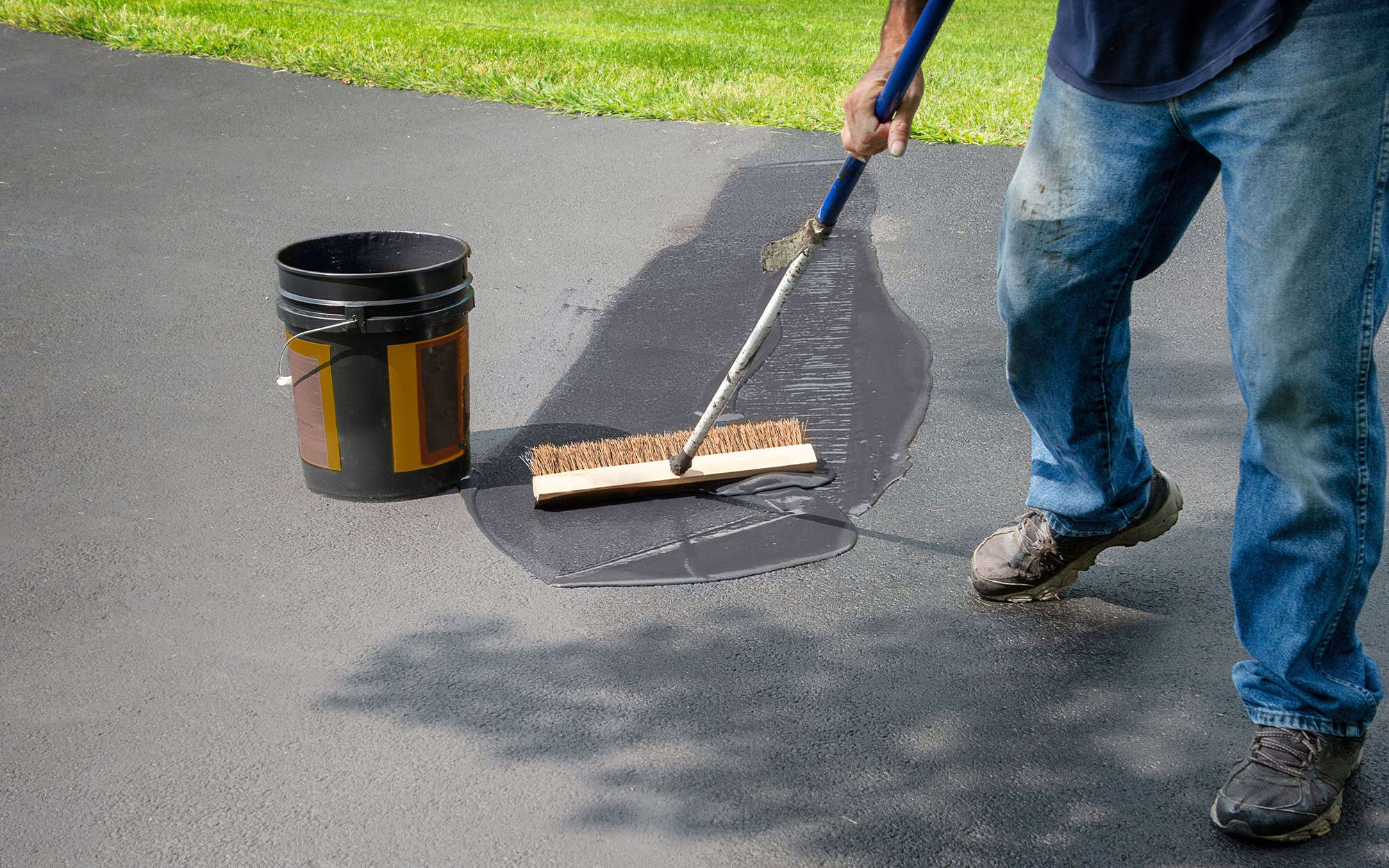
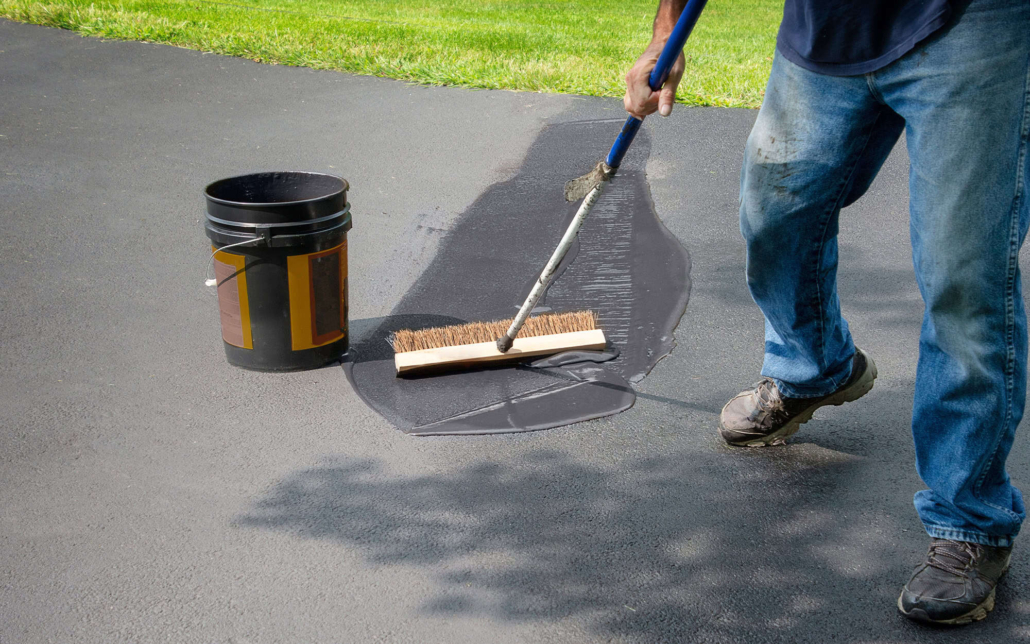
Sealcoating protects your asphalt from UV rays, moisture, oil, and daily wear. But applying it too early can trap oils in the asphalt and reduce performance.
Wait about 90 days after resurfacing before applying sealant. This allows the surface to fully cure. After the first sealcoat, continue to reseal every 2 to 3 years depending on weather exposure and driveway use.
Regular sealcoating is one of the best ways to extend your resurfacing investment, locking in that fresh, smooth finish for the long term.
Cleaning Tips to Keep Your Driveway Looking Fresh
Simple cleaning makes a big difference in your driveway’s appearance and longevity. Here are some easy tips for routine maintenance:
- Sweep regularly to remove leaves, dirt, and debris.
- Hose off spills such as oil or chemicals as soon as possible.
- Pressure wash the surface annually to remove grime and algae.
Avoid using harsh chemicals or degreasers that can break down asphalt. Stick to mild soap and water when cleaning.
Inspecting for Damage and Taking Action Early
Set aside time every spring and fall to inspect your driveway. Look for small cracks, low spots where water pools, or areas that appear discolored or brittle.
If you find cracks, clean them out and use an asphalt crack filler. The sooner you seal small imperfections, the less likely they are to expand and require costly repairs.
Driveways in colder climates should also be checked after winter for frost damage or salt wear. Staying ahead of issues keeps your resurfacing maintenance plan on track.
Drainage and Runoff: Why It Matters for Long-Term Performance
Water is one of asphalt’s worst enemies. Poor drainage leads to erosion under the surface, which eventually causes cracks and potholes.
Ensure water flows off your driveway and away from your home’s foundation. Keep gutters clear and watch for any low spots that collect rain. Resurfaced driveways are often graded for proper runoff, but shifts in soil or landscaping changes can alter flow over time.
Snow and Ice Removal Without Damaging the Surface
Winter weather requires special care. Use a plastic shovel instead of metal to avoid scratching the surface. If you use a snow blower, raise the blade slightly off the asphalt.
For de-icing, stick to calcium chloride over traditional rock salt. It’s gentler on asphalt and won’t break down the resurfaced layer. Use it sparingly, and sweep away excess after snow melts.
The Role of Edge Maintenance in Surface Longevity
Driveway edges are often the first place to crack or crumble, especially if they lack support. Avoid parking with tires near the edge, and consider adding soil or gravel to reinforce these areas.
Resurfacing gives edges a clean look, but without support, they can degrade faster than the rest of the driveway. Include edge inspection as part of your regular resurfacing maintenance routine.
Spring Maintenance Tips
Spring is the perfect time to assess your driveway after the wear and tear of winter. Start by inspecting for any cracks caused by freezing temperatures or salt damage from de-icing efforts. Cleaning the surface and checking that water drains properly helps prevent future erosion. Filling small cracks early keeps them from spreading into more serious issues that could compromise the resurfacing work.
Summer Maintenance Tips
The warmer months are ideal for performing preventive tasks that extend your driveway’s life. If your last sealcoating was more than two years ago, summer is a great time to reapply it. Regular sweeping keeps sand and dirt from collecting, which can weaken the surface over time. During extreme heat, rinsing the driveway can help reduce softening and prevent scuffing from vehicle tires.
Fall Maintenance Tips
As leaves begin to fall, it’s essential to stay on top of seasonal debris. Remove organic material quickly to avoid stains and preserve the finish of your asphalt. This is also the time to wash off oil stains before cold weather sets in. Inspect the edges and seal any cracks to keep moisture from freezing and expanding in winter.
Winter Maintenance Tips
Proper care in winter can prevent serious cold-weather damage. Use calcium chloride instead of traditional rock salt to melt ice without harming the asphalt. Avoid using metal shovels or blades that can scratch or chip the surface. Watch for water pooling that could refreeze and cause damage, and clear snow as soon as possible to reduce prolonged surface exposure.
Mid-Page CTA Protect Your Driveway Investment with resurfacing from Phillips Pavement. Contact Us Today.
Common Mistakes to Avoid After Resurfacing
To get the most from your driveway, avoid these common post-resurfacing mistakes:
- Parking too soon on fresh asphalt
- Skipping sealcoating or sealing too early
- Using harsh cleaners that break down the surface
- Ignoring small cracks that grow into big problems
Awareness is half the battle. Staying on top of care helps avoid costly repairs and extends the life of your driveway.
How Long Should a Resurfaced Driveway Last?
With proper resurfacing maintenance, your asphalt driveway can last 10 to 15 years or more. Key factors include traffic load, climate, and how consistent your maintenance routine is.
Driveways that receive regular sealing, cleaning, and inspection tend to perform far better than those left untreated. Following the steps in this guide ensures your surface stays strong, smooth, and attractive for the long haul.
Why Phillips Paving Is Your Partner in Long-Term Driveway Success
Asphalt is an investment worth protecting. At Phillips Paving, we specialize in not just resurfacing, but helping homeowners maintain that fresh finish for years to come. From expert sealcoating to seasonal inspections, we offer complete support for every step of your resurfacing maintenance plan. Contact us today to learn more and keep your driveway looking its best.