
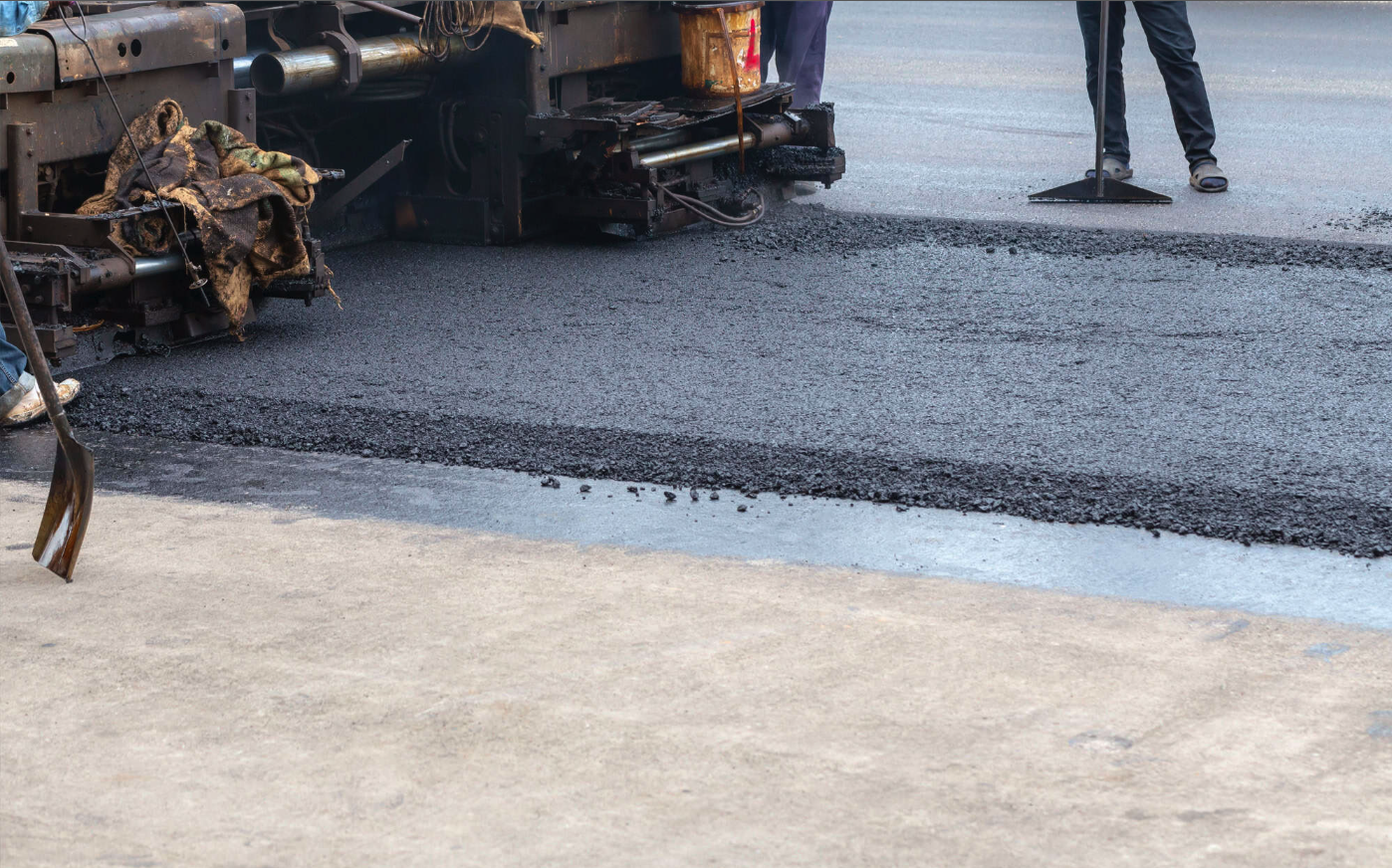
Why Spring and Summer Are the Best Seasons for Asphalt Resurfacing
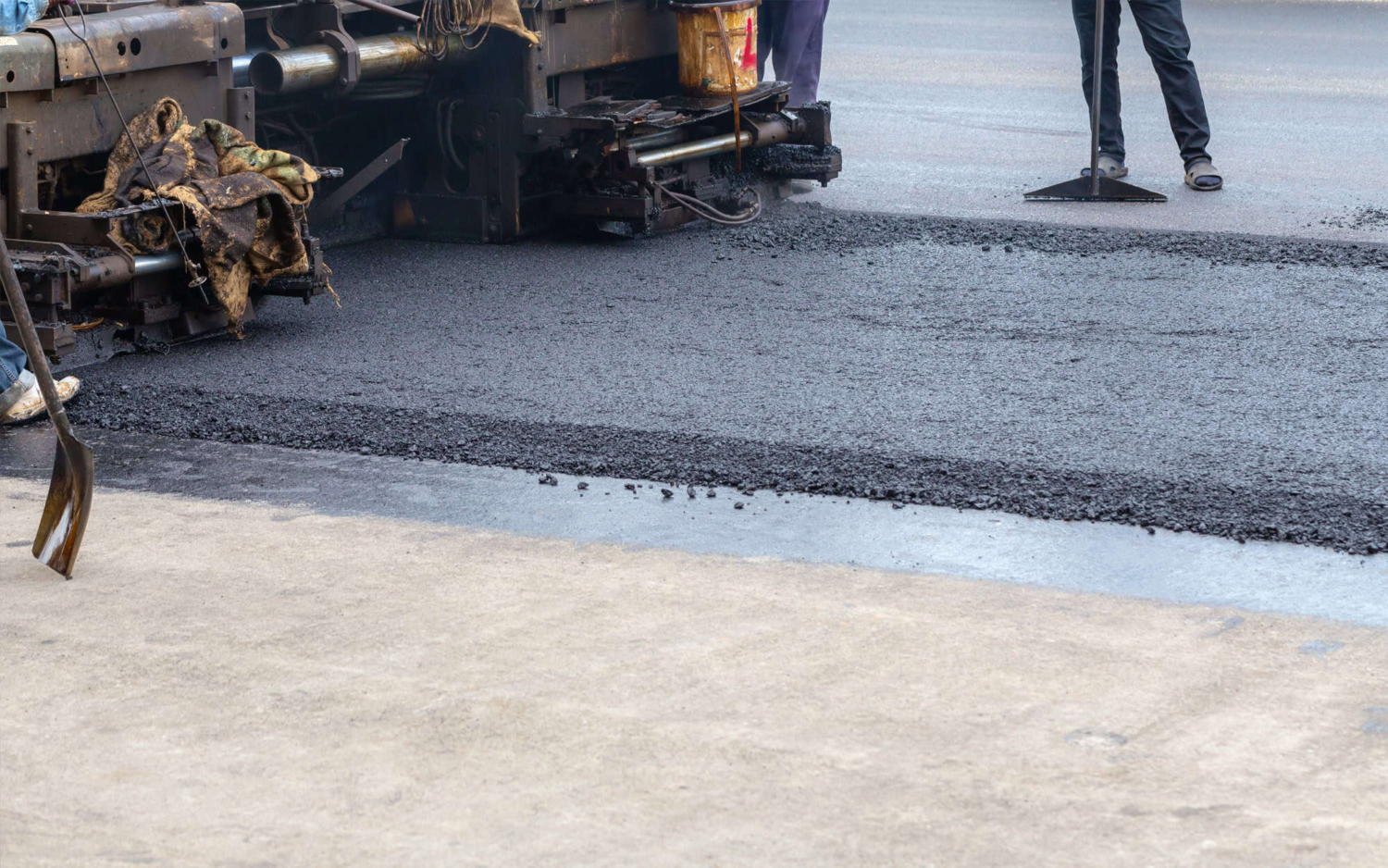 Asphalt resurfacing isn’t just about laying down a new layer of pavement—it’s about timing. Warmer weather can help give you smoother, more durable results, especially when it comes to asphalt. But many people don’t realize just how much the temperature and humidity can affect their project’s longevity.
Let’s examine why waiting for spring or summer could be the smartest move for your pavement.
How Weather Affects Asphalt Resurfacing
Weather can make or break an asphalt project. That’s because asphalt is a petroleum-based material that relies on proper temperatures to fuse together and cure. When the weather is too cold, the asphalt mixture won’t settle and bond as well. If it’s too wet or humid, extra moisture can seep into the pavement layers, weakening the bond before it even gets a chance to set.
If you’ve ever seen asphalt with tiny cracks or uneven patches, there’s a good chance weather played a role in that outcome. Excessive rainfall, fluctuating temperatures, or even prolonged dampness can create less-than-ideal conditions. By contrast, when the weather is warm and stable (like it tends to be in spring and summer), the asphalt remains pliable enough to ensure a strong bond. You’re essentially giving it the “sweet spot” it needs to fully cure, which helps prevent premature damage.
Pavement curing is a chemical process, and just like any reaction, it depends on the right environment. During warmer months, you can expect faster curing times, fewer delays, and generally better results. You’ll also have fewer disruptions caused by weather-related stoppages, which can save you both time and money.
Understanding Spring: A Fresh Start for Your Pavement
Early to late spring often brings mild temperatures and moderate rainfall—conditions that tend to be perfect for asphalt resurfacing. In many regions, the big freeze-thaw cycle is behind you, which means fewer surprises lurking beneath the pavement. By the time spring hits, roads and driveways that have weathered harsh winters may be showing cracks or potholes that need attention.
In spring, outdoor temperatures usually stay warm enough to help asphalt cure effectively but aren’t so hot as to cause accelerated drying that can sometimes make the surface brittle. That sweet spot in temperature encourages a slower, steadier cure. A thorough cure sets the stage for longer-lasting pavement that won’t start cracking as soon as the next temperature swing hits.
Another benefit of springtime resurfacing is the timing for your future maintenance. Getting work done in the spring means you’ll likely have all summer and fall to monitor your new surface, address any minor concerns right away, and keep it in prime condition. Whether you’re resurfacing a driveway, parking lot, or small private road, taking care of it early in the year means fewer hassles when peak travel season arrives.
Examining Summer: Taking Advantage of Peak Temperatures
Summer can be the peak season for asphalt resurfacing for a reason. With consistently warm or even hot weather, asphalt remains more malleable, which means it compacts well and forms a smooth, uniform surface. In many areas, summer is also drier, so you’re less likely to have rain delays or worry about moisture weakening the new layer of pavement.
The high temperatures of summer actually help speed up the chemical bonding process within the asphalt mix, allowing it to set quickly without a drop in quality. This quick turnaround can be especially helpful if you’re resurfacing a parking lot or busy driveway, where downtime can be a major headache. When the asphalt cures faster, it can typically be driven on sooner, reducing disruptions to everyday life.
That said, the summer season in asphalt resurfacing can also be busy for contractors because so many people schedule their projects during these months. Planning ahead for your summer asphalt resurfacing project is key. If you wait until mid-July or August to call, you might face scheduling delays. Even so, once the team arrives on-site, you can trust that the warm conditions will help create an ideal environment for your new asphalt surface.
Ready to schedule your asphalt resurfacing project? Explore our asphalt services to learn how Phillips Paving Company can help you secure a smooth, long-lasting surface. Don’t wait—let’s get started now. Contact Us
Breaking Down The Challenges of Winter Resurfacing
While it’s possible to resurface asphalt in the colder months, winter weather effects on asphalt often come with more risks. When temperatures dip below a certain point, the asphalt mix can cool too quickly before it has a chance to bond properly with the existing surface. That translates to a higher likelihood of cracks, uneven surfaces, or layers that don’t fuse together as intended.
Another factor to consider is precipitation. Snow, ice, and even freezing rain can create slippery or damp conditions that interfere with the asphalt’s ability to adhere. Winter weather can also prolong the curing process, meaning the project might take longer and cost more in labor or materials. In some cases, you may even have to add chemical additives to the asphalt or keep the area heated to achieve passable results, which can drive up costs and complexities.
Additionally, winter brings shorter daylight hours, cutting into the window of time you can effectively work on a project. Crews have to hustle to make the most of each day, which might mean juggling multiple steps under tighter constraints. All of this can add stress and potentially impact the quality of the finished product. That’s why most professionals typically recommend waiting until the conditions warm up before taking on major resurfacing work.
Planning Ahead for a Smooth Asphalt Resurfacing Project
A big part of getting great results is planning. Whether you’re eyeing a spring or summer project, start gathering quotes and researching contractors as early as possible. This ensures you can get on their schedule at a time that works best for you—and lines up with optimal weather conditions. If you wait until the last minute, you risk missing the window for the best weather or getting stuck with a rushed job.
Local climate considerations matter as well. In some areas, late spring storms might bring heavy rain, so it’s wise to keep an eye on weather forecasts. In other regions, scorching summer days might cause asphalt to dry a bit faster than expected—though that typically isn’t a big drawback. By talking with a paving professional, you can figure out the best time frame based on your location’s typical weather patterns.
Don’t forget the practical details, like having your driveway or parking lot cleared and ready to go. Make sure you’ve budgeted not only for the resurfacing itself but also for any unexpected issues that might pop up, such as underlying damage that needs repair before the new layer goes down. Consider talking with your contractor about ongoing asphalt maintenance tips too. Regular sealing and minor repairs can help your freshly resurfaced pavement stay in peak condition, even when the seasons change again.
Refresh Your Asphalt With the Pros
When you’re ready to refresh your asphalt surfaces under ideal weather conditions, reach out to Phillips Paving Company. We’ll walk you through the entire process—from picking the perfect season for asphalt resurfacing to planning the final touches that keep your pavement looking brand new.
Our team is here to make sure your resurfacing project goes smoothly and stands up to the elements, giving you a durable surface you can rely on for years to come.
How Asphalt Resurfacing for Commercial PropertiesEnhances Curb Appeal
The condition of your parking lot or driveway says a lot about your business. A well-maintained, smooth surface gives customers a great first impression, showing that you care about quality and professionalism. On the other hand, cracked, faded, or pothole-ridden asphalt can make your property look neglected and uninviting. Asphalt resurfacing for commercial properties is an easy, cost-effective way to refresh your space, improve curb appeal, and create a welcoming environment for visitors. Keep reading to discover how resurfacing can boost your business and when to invest in a pavement upgrade.
How Asphalt Resurfacing Improves Curb Appeal
Asphalt resurfacing is one of the easiest ways to refresh your commercial property. A new layer of pavement not only looks better but also makes the area safer and more organized. Smooth pavement helps your property look newer and cleaner. Plus, resurfacing strengthens the surface, helping prevent future damage. This makes it a smart investment for business owners who want their property to stay in great shape.
1. Creates a Smooth, Attractive Surface
Over time, asphalt wears down due to traffic, weather, and general use. Cracks, potholes, and uneven surfaces make a parking lot look aged and poorly maintained. Asphalt resurfacing for commercial properties restores a smooth, even surface, eliminating imperfections and giving a polished, updated look. This makes the space more visually appealing and prevents further damage from worsening conditions. A smoother surface also minimizes risks for pedestrians, reducing the likelihood of slips and falls. For businesses, this means fewer liability concerns and a safer environment for employees and customers.
Moreover, a newly resurfaced asphalt lot improves vehicle performance by reducing unnecessary wear and tear on tires and suspension systems. Drivers will appreciate a more comfortable and stable driving experience, reinforcing a positive impression of your business. Whether it’s a retail establishment, office complex, or industrial facility, smooth and well-maintained asphalt demonstrates a commitment to quality and professionalism.
2. Restores Asphalt’s Rich, Dark Appearance
Exposure to the sun, rain, and traffic gradually fades asphalt, turning it from a rich black to a dull gray. A worn-out parking lot can make a business seem outdated or uncared for. Asphalt resurfacing for commercial properties restores that deep blacktop look, helping your property appear modern and well-maintained. The new appearance also improves the contrast between pavement and markings, making driving areas clearer and easier to navigate.
Beyond aesthetics, a darker asphalt surface absorbs heat more efficiently, which can help with snow and ice melting during the winter months. This added functionality ensures that your parking lot remains usable and safe year-round. Furthermore, fresh asphalt creates a visually appealing contrast with landscaping elements like greenery, flowers, and building exteriors, enhancing the overall curb appeal of your property. Investing in asphalt resurfacing for commercial properties can significantly affect how customers perceive your business before they even step inside.
[/av_textblock]
[/av_one_full]
3. Enhances Parking Lot Markings and Layout
Parking lot striping fades over time, making it difficult for visitors to navigate your lot safely. After resurfacing, re-striping your parking spaces, crosswalks, and directional arrows improves visibility, safety, and overall organization. Marked parking spaces look better and help direct traffic flow efficiently, reducing the risk of accidents and confusion.
Parking lot improvements also contribute to better space utilization, allowing for optimal parking configurations and ADA-compliant accessibility. This can be particularly beneficial for businesses that see high volumes of customers or employees throughout the day. Clearly defined pedestrian walkways and loading zones also add an extra layer of safety for both foot and vehicular traffic.
Additionally, a freshly resurfaced and well-striped lot helps businesses comply with legal regulations regarding parking and accessibility requirements. Failure to meet these standards can result in fines or lost business due to poor accessibility. By prioritizing resurfacing, property owners can ensure that their parking lot meets modern standards while maintaining an efficient and professional appearance.
When Is It Time for Asphalt Resurfacing?
Not all pavement damage requires a full replacement. Asphalt resurfacing for commercial properties can add years to its lifespan. If you notice any of the following, it may be time to consider asphalt resurfacing for your commercial property:
- Cracking and Alligator Cracks: Widespread surface cracks, especially those resembling alligator skin, are signs of deterioration. If left untreated, these small cracks will expand over time, leading to costlier repairs or full replacement in the future.
- Potholes and Uneven Surfaces: These create safety risks and can damage vehicles. Unaddressed potholes can become larger, making the lot more hazardous for pedestrians and drivers.
- Faded Asphalt Color: A dull, gray surface can make your property look neglected. This affects curb appeal and makes the lot appear older than it is.
- Pooling Water: Standing water after rainfall suggests drainage issues that can lead to further damage. Poor drainage can accelerate surface deterioration, weakening the pavement’s foundation.
Can Asphalt Resurfacing Attract More Customers?
A clean and well-maintained property builds customer trust and confidence. Whether you own a retail store, office building, or apartment complex, resurfacing your parking lot can play a key role in making a positive impression on visitors. A newly resurfaced lot suggests that the business is professional, well-maintained, and cares about its customers.
The Business Benefits of Resurfacing
Resurfacing does more than just make your parking lot look nice—it also improves safety and boosts property value. Here’s how resurfacing helps your business:
- Stronger First Impressions: Customers associate a well-maintained exterior with a reliable and professional business. A parking lot in pristine condition gives customers confidence in the company’s attention to detail.
- Safer Parking Experience: Smoother surfaces prevent trips, falls, and vehicle damage. A well-maintained parking lot reduces the risk of personal injury claims and costly vehicle repairs due to uneven surfaces or potholes.
- Higher Property Value: A fresh, high-quality asphalt lot can increase your property’s market value and curb appeal. Property managers and real estate investors recognize the value of a well-kept parking lot, making leasing or selling a property much easier.
If your parking lot or driveway shows signs of wear, Phillips Paving is here to help. Our expert team specializes in asphalt resurfacing for commercial properties, delivering a polished, durable finish that enhances curb appeal and ensures long-term performance.
Discover how our asphalt resurfacing services can help you take the first step toward revitalizing your property! Contact Us
Long-Term Benefits of Asphalt Resurfacing
Resurfacing doesn’t just make your property look better—it also helps in the long run. Here’s why resurfacing is a smart investment:
- Extends Pavement Lifespan: A new asphalt layer protects against damage and prolongs the surface’s durability. By sealing cracks and reinforcing the pavement structure, resurfacing adds years to your existing asphalt.
- Lower Maintenance Costs: New pavement is easier to maintain and reduces the need for costly repairs. A resurfaced lot requires fewer patching jobs and less frequent resealing, saving business owners money.
- Improves Safety and Compliance: A resurfaced lot with clear markings improves accessibility and meets ADA guidelines. Properly paved lots help businesses avoid potential fines or legal issues related to non-compliance with safety regulations.
- Enhances Weather Resistance: Properly resurfaced asphalt is more resistant to weather-related damage. Sealing the top layer of asphalt prevents water infiltration, reducing the impact of freeze-thaw cycles and heavy rainfall.
Add Curb Appeal to Your Commercial Property With Phillips Paving
At Phillips Paving, we know that first impressions matter. That’s why we deliver high-quality paving solutions that improve curb appeal and functionality for commercial properties. With over 30 years of experience, our team ensures long-lasting results. Contact us today to get a quote for your asphalt services.
Asphalt Repaving Vs. Resurfacing: Your All-in-One Breakdown
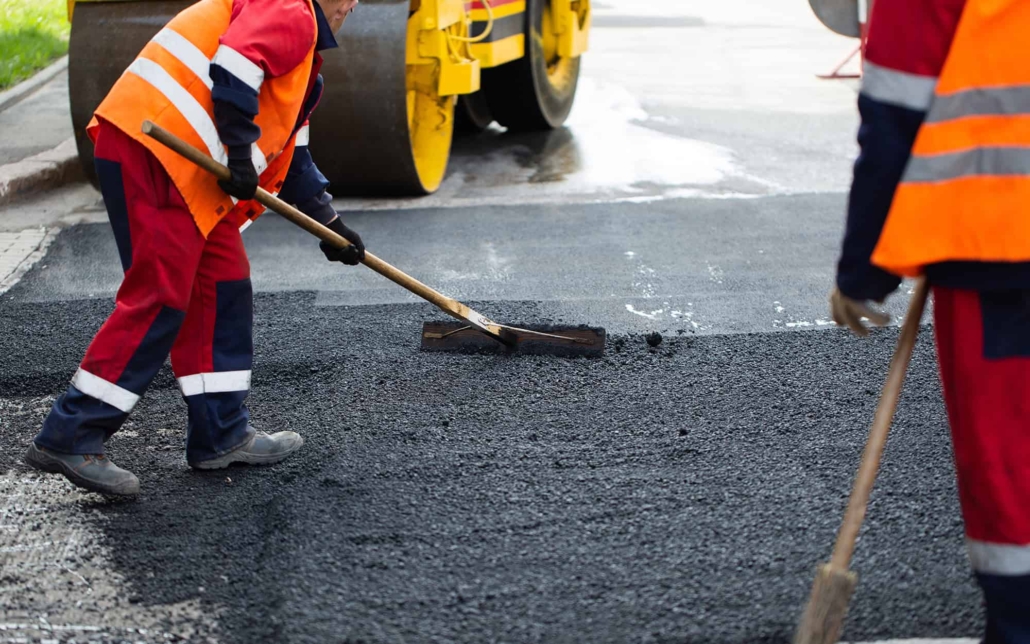 If you’ve noticed cracks, potholes, or uneven areas on your asphalt surface, you’re probably wondering whether it’s time for a complete replacement or if resurfacing can fix the problem. The right approach depends on factors like your asphalt’s overall condition, how old it is, and whether there’s any serious damage lurking beneath the surface. Making the wrong choice could lead to unnecessary expenses or repeated repairs in the not-too-distant future.
To help you decide, this guide digs into the differences between asphalt repaving vs. resurfacing, highlighting when each is most effective, how they differ in terms of cost and results, and what to keep in mind before making a final call.
Understanding the Basics: Repaving Vs. Resurfacing
Before diving into the specifics of when you should choose asphalt repaving vs. resurfacing, it’s helpful to understand the basic distinctions between the two.
Resurfacing involves placing a fresh layer of asphalt over an existing surface. This restores a relatively smooth and even finish without tearing out the entire pavement. However, it relies on the existing asphalt base being stable and generally free from serious structural damage.
Replacement (often called repaving) involves removing most or all of the old asphalt, and sometimes even repairing or rebuilding the base layers underneath. In other words, you’re starting from scratch. Although this can be more expensive and time-intensive, a complete replacement typically ensures that deeply rooted issues are addressed, creating a new foundation that can last for decades when maintained properly.
When Is Asphalt Resurfacing the Right Choice?
Resurfacing is often considered the “middle ground” between minor patching work and a full reconstruction. It typically involves milling away a small portion of the old asphalt, correcting any surface irregularities, and then installing a new layer on top. If your pavement looks worn but still has a solid foundation, resurfacing can restore its appearance and function without the steep cost of a full replacement.
A good candidate for resurfacing is an asphalt surface that has mild to moderate cracking or fading but hasn’t yet developed major potholes or deep structural flaws. In many cases, it’s an excellent option if your asphalt is less than 15 or 20 years old. By adding a fresh top layer, you can expect to extend the life of your pavement by another 10 to 15 years, assuming you keep up with routine maintenance afterward.
One of the biggest benefits of resurfacing is that the process is quicker and more affordable than a complete rebuild. Because you’re not ripping out all the asphalt and the underlying base layers, labor and material costs tend to be lower. Additionally, resurfacing typically means less downtime for heavily used areas like commercial parking lots or busy driveways. As soon as the new layer is installed and cools properly, you can get back to regular activities with minimal disruption.
Resurfacing, however, isn’t a cure-all. If there are major drainage issues or large cracks that run deeper than a couple of inches, simply putting a new top layer on might only mask the symptoms temporarily. That’s why it’s crucial to get a professional assessment that looks at the underlying base, drainage, and any structural problems that could undermine the resurfacing effort over time.
When Is a Complete Asphalt Replacement Necessary?
Although resurfacing pavement can address many cosmetic and superficial problems, there are times when a total rebuild is the only path to lasting improvement. This usually applies if your asphalt has deep cracks, widespread potholes, or foundational problems like serious drainage failures. In these cases, trying to patch or resurface the surface might provide only a short-term fix, and you could end up needing another major overhaul sooner rather than later.
A full replacement, or repaving, removes all or most of the existing asphalt. In many instances, workers will also repair or rebuild portions of the base layers, ensuring that the new pavement lies on a stable foundation. While this can be more of an upfront investment, the advantage is that it addresses root causes—like water infiltration, a poorly compacted base, or severe aging of the asphalt. Once the old surface is peeled away, you’re effectively starting fresh, which means the finished product can last 20 to 30 years with proper care.
Replacement is especially critical if your asphalt is more than 20 to 25 years old and has never undergone major rehabilitation. It also becomes necessary if you see multiple large cracks that extend well into the sub-base or if the pavement is riddled with potholes and depressions that keep reappearing, no matter how often they’re patched. Another situation that justifies a full rebuild is when drainage issues are so extensive that they can’t be corrected by minor adjustments to the surface.
Of course, replacement takes longer and may require more of a budget, but it gives you a clean slate. You’ll not only get a smoother, sturdier top layer but also the peace of mind that comes from knowing the substructure has been properly repaired or replaced.
Choosing between asphalt repaving vs. resurfacing can be tough. If you’re looking for professional guidance, visit our page on asphalt resurfacing solutions to find out if it’s the right choice for you.
Key Factors to Consider Before Making a Decision
Choosing between repaving vs. resurfacing depends on several factors:
Extent of Damage
If your asphalt mostly has superficial cracks or mild wear, resurfacing might be enough to give it a new life. Deep cracks, extensive potholes, or structural damage often call for full replacement.
Age of the Asphalt
Pavement that’s nearing or past the 20-year mark may be reaching the end of its natural lifespan. Resurfacing typically works best for surfaces that haven’t reached this threshold—or that still have a healthy base beneath them.
Underlying Base Conditions
A stable, well-compacted base is the foundation of a lasting pavement. If your base has been compromised by water infiltration or poor construction, no amount of resurfacing on top will solve the underlying issues. In that case, replacement is more appropriate.
Budget and Long-Term Goals
While resurfacing is usually less expensive, it won’t fix deep structural issues. If your goal is a long-term, worry-free surface, investing in a replacement could be the more economical solution over the lifespan of the pavement.
Drainage Concerns
Water is asphalt’s worst enemy. If your lot, driveway, or roadway struggles with standing water or poor runoff, a deeper correction might be required to prevent ongoing deterioration.
Putting It All Together: Which Option Is Best?
At the end of the day, deciding between resurfacing and replacement depends on a thorough evaluation of your existing asphalt. If the cracks are mostly on the surface and the foundation is stable, resurfacing can refresh your pavement at a fraction of the cost of a full rebuild. On the other hand, major structural damage or persistent problems like pooling water often make replacement the more prudent choice.
Don’t forget that either approach—resurfacing or replacement—will benefit from a solid maintenance routine. Regular sealcoating, timely crack repairs, and proper drainage all help to extend the life of your asphalt, whether it’s brand new or recently resurfaced. Think of maintenance as protecting your investment; the better you care for your asphalt, the longer it will last.
If you need personalized advice on whether resurfacing or replacement is right for you, reach out to Phillips Paving. With decades of experience and a focus on delivering durable, high-quality results, they’ll help you navigate your options and get the most from your asphalt investment. Contact them today for a thorough assessment and a customized plan that suits your property’s needs.
How to Maximize Your Asphalt’s Life Expectancy
Your asphalt surface is an investment—whether it’s a driveway, parking lot, or private road. But without the right maintenance, even the toughest pavement can start to crack, fade, and deteriorate sooner than expected. The good news? With regular upkeep and preventative care, you can extend your asphalt’s life, reduce costly repairs, and keep it looking great for years. This guide covers the best maintenance strategies to help you get the most out of your pavement.
Why Asphalt Maintenance Matters
While asphalt is known for its strength and flexibility, it naturally deteriorates over time. Without proper care, it can crack, erode, and form potholes, forcing property owners to invest in costly repairs or full replacements far sooner than necessary.
Regular maintenance:
- Prevents small problems from turning into major repairs
- Improves curb appeal and property value
- Extends the lifespan of your asphalt pavement, reducing long-term costs
- Enhances safety by preventing tripping hazards and vehicle damage
Let’s dive into the best ways to maximize your asphalt’s life expectancy.
Keeping It Clean: The First Step in Preventative Maintenance
Dirt, debris, and oil spills may seem harmless, but over time, they can break down asphalt and weaken its surface. A dirty parking lot or driveway isn’t just an eyesore—it can accelerate the aging process of your pavement.
How to Maintain a Clean Surface:
- Sweep or blow away dirt, gravel, and leaves regularly to prevent buildup.
- Remove oil and chemical spills immediately, as they can weaken the asphalt binder and cause deterioration.
- Power wash the surface occasionally to remove stubborn stains and keep the pavement looking fresh.
By keeping your asphalt clean, you reduce the chances of damage and prolong its lifespan.
Sealcoating: Your Asphalt’s Best Defense
Sealcoating is one of the most effective ways to enhance your asphalt’s life expectancy. This protective layer acts as a shield against UV rays, water, and chemicals, helping to prevent cracks and oxidation.
Why Sealcoating Matters:
- Slows down wear and tear caused by traffic and weather
- Protects against oil, gas, and chemical spills that can degrade asphalt
- Restores the pavement’s life and rich black color, improving curb appeal
When Should You Sealcoat?
- Most asphalt surfaces need sealcoating every three to five years, depending on traffic and weather conditions.
- High-traffic areas, such as parking lots and busy roadways, may need it more frequently.
- It’s best to sealcoat in warm, dry weather for optimal results.
- Skipping sealcoating leaves your pavement vulnerable to premature aging, so it’s a small investment that pays off significantly over time.
Fill Small Cracks Before They Get Worse
Ignoring small cracks is one of the fastest ways to shorten the life of your asphalt. When water seeps into cracks, it weakens the foundation and leads to potholes, alligator cracking, and eventual pavement failure.
How to Prevent Costly Damage:
- Inspect your pavement regularly for early signs of cracking.
- Fill cracks immediately to prevent moisture from penetrating the surface.
- Use professional-grade crack fillers for the best long-term protection.
- Fixing small cracks now will save thousands on major repairs or resurfacing down the line.
Watch for Drainage Issues to Avoid Water Damage
Water is asphalt’s worst enemy. Poor drainage leads to standing water, which erodes the surface, causes cracks, and weakens the foundation.
Signs of Poor Drainage:
- Water pooling in certain areas after rain
- Soft spots or areas where the asphalt feels unstable
- Cracking and potholes, especially in low spots
How to Improve Drainage:
- Ensure the pavement is properly graded so water flows away from the surface.
- Keep drains and gutters clear of debris to prevent blockages.
- Consider adding a drainage system if standing water is a persistent issue.
- Addressing drainage issues early can prevent serious damage and extend your asphalt’s life expectancy.
Repair Potholes Promptly to Prevent Structural Damage
Potholes don’t just appear overnight—they start as small cracks that expand when water freezes and thaws inside them. If left unchecked, potholes can create safety hazards and lead to expensive repairs.
Why Prompt Pothole Repair Is Important:
- Prevents further damage to the surrounding pavement
- Reduces the risk of vehicle and pedestrian accidents
- Saves money by avoiding larger-scale resurfacing projects
- Fixing potholes quickly prevents bigger, more expensive problems later.
Schedule Routine Inspections to Catch Issues Early
Even with proper maintenance, pavement naturally wears down over time. That’s why it’s important to have a professional inspect your asphalt at least once a year.
What Inspections Help With:
- Identifying early signs of damage before they require costly repairs
- Checking for drainage issues, surface wear, and structural weaknesses
- Providing expert recommendations on preventative care
A proactive approach means you’re never caught off guard by sudden pavement failure.
Know When It’s Time for Resurfacing
If your pavement has widespread cracks, fading, or wear, resurfacing may be the best cost-effective alternative to a full replacement.
Signs You Need Resurfacing:
- Multiple large cracks that don’t respond to patching
- Significant fading and surface wear from UV exposure
- Frequent repairs that are becoming more expensive over time
Resurfacing enhances your asphalt’s life expectancy while keeping the existing foundation intact, giving your pavement a second life without the cost of full reconstruction.
[/av_textblock]
[/av_one_full]
Final Thoughts: A Little Maintenance Goes a Long Way
Asphalt maintenance isn’t just about appearances—it’s about protecting your investment and avoiding costly repairs. Simple steps like cleaning, sealing asphalt, and fixing drainage issues can add years of life to your pavement and prevent unexpected expenses.
If your pavement needs repairs, resurfacing, or professional maintenance, Phillips Paving is here to help. With 30+ years of experience, we provide expert asphalt solutions to keep your surfaces in top shape. Contact us today for a consultation or a free quote!
7 Maintenance Tips for Preserving Freshly Resurfaced Asphalt
Taking a Look at the Latest Innovations in Asphalt Technology
Learn about the latest developments in asphalt technology, including RAP, WMA, binders, and more.
Innovations in Asphalt Technology: Revolutionizing Pavements with RAP
The world of road construction is witnessing a significant transformation with the adoption of Recycled Asphalt Pavement (RAP). As the quest for more sustainable and cost-effective solutions in infrastructure development continues, innovations in asphalt technology are leading the way. In this deep dive, we’ll explore RAP’s pivotal role in creating high-quality asphalt pavements that are resilient and environmentally friendly. Discover the latest advancements in the processing and application of RAP and how these innovations offer impressive cost savings while mitigating the environmental impact of road construction. Join us as we navigate the pathway to a greener, more sustainable future for our roads and highways.
Embracing Warm Mix Asphalt (WMA) Development
Advancements in asphalt technology continue to pave the way for more efficient and environmentally friendly road construction methods. A shining example of this progress is the adoption of Warm Mix Asphalt (WMA), which is revolutionizing the industry from the core.
Understanding WMA and Its Benefits to Sustainability and Performance
WMA is a cutting-edge material that is mixed and placed on roads at temperatures significantly lower than traditional hot mix asphalt. This innovative approach delivers two-fold benefits: enhanced sustainability and improved performance. WMA’s lower production temperatures mean reduced fuel consumption and a smaller carbon footprint, making it a win for both road-builders and the environment. Moreover, the industry is witnessing improvements in working conditions and paving performance, including prolonged compaction times and better compaction on cooler days, which translates to extended construction seasons in colder climates.
In the traditional hot mix process, asphalt must be heated to high temperatures, requiring substantial energy input. WMA, on the other hand, cuts down on energy usage by allowing mixtures to be produced at temperatures 30 to 120 degrees Fahrenheit lower than hot mix asphalt. This shift conserves energy and substantially reduces greenhouse gas emissions, smoke, and odor during production and paving, making it a more community-friendly option.
Real-World Projects Utilizing WMA Technologies
The industry is quick to adopt WMA, and numerous projects around the globe are a testament to its growing popularity. For instance, the I-70 mountain corridor near Denver, Colorado, has seen successful implementation of WMA, setting a precedent for its use in high-altitude paving. Furthermore, countries in Europe, where WMA originated, continue to expand its application, providing valuable real-world data on its long-term performance and benefits.
- An extensive highway project in Norway utilizes WMA to combat the challenges posed by cold weather paving.
- In the Netherlands, a majority of the asphalt produced is now warm mix, highlighting the country’s commitment to reducing emissions and energy consumption.
- Back in the United States, states like New York and Virginia are increasing their use of WMA for its sustainability and efficiency advantages.
The development of Warm Mix Asphalt represents a significant leap forward in the pursuit of sustainable and high-performance road infrastructure. Its rapid adoption across the globe underscores the industry’s commitment to innovation and environmental stewardship.
Sustainable Asphalt Production: Eco-friendly Methods
The push towards more sustainable infrastructure leads to a revolution in asphalt production. By focusing on eco-friendly methods, the industry commits to a greener planet. Here, we explore the various innovations that support this noble aim.
Innovations in Manufacturing to Minimize Environmental Impact
One of the key elements in reducing the environmental footprint of asphalt production is improving manufacturing processes. Innovations include utilizing renewable energy sources and capturing emissions in production plants. Implementing more efficient machinery also plays a vital role in diminishing energy consumption and pollutants.
Materials and Practices that Bolster Eco-friendly Asphalt Production
- Recycled Materials: Using recycled materials like rubber from old tires and plastic waste not only diverts refuse from landfills but also enhances the quality of the asphalt produced.
- Energy-Efficient Plants: Switching to plants that are designed to operate with lower emissions and reduced energy use is another step towards sustainable production.
- Low-Temperature Techniques: The development of asphalt mixes that can be manufactured and applied at lower temperatures reduces energy usage and significantly cuts CO2 emissions.
Certifications and Standards for Sustainable Asphalt Products
Certifications play a crucial role in ensuring the sustainability of asphalt products. Entities such as the Greenroads Foundation and LEED provide frameworks and standards that encourage producers to adopt eco-friendly practices. Products that meet these stringent criteria assure lower environmental impact and offer enhanced performance and longer life cycles.
These advancements reflect the asphalt industry’s commitment to sustainability. By integrating eco-friendly methods, the sector is paving the way for a more sustainable and responsible future in construction.
Discover Cutting-Edge Asphalt Solutions
Curious about how the latest advancements in asphalt technology can benefit your next project? At Phillips Paving, we are committed to leveraging state-of-the-art asphalt solutions, including recycled and warm mix asphalt, to provide a superior pavement experience and promote sustainability. Explore how our innovative paving methods can transform your project and meet your sustainability goals.
Explore Asphalt ServicesInnovative New Asphalt Additives and Modifiers
The relentless pursuit of enhancing road quality and longevity has led to significant breakthroughs in asphalt technology. Among the most promising developments are innovative additives and modifiers designed to improve asphalt pavement performance. Let’s delve into the substances revolutionizing this industry.
Breakthrough Additives and Their Impact on Pavement Performance
Today’s industry is witnessing the introduction of ground-breaking additives that bolster the inherent properties of traditional asphalt. These modern solutions are formulated to improve durability, resistance to rutting, and the ability to withstand extreme weather conditions. From polymer modifications to rejuvenators, these additives aim to extend the pavement’s lifespan while reducing the need for frequent maintenance.
Cost-Benefit Analysis of Advanced Additives
While integrating new technologies may come with initial costs, a thorough cost-benefit analysis shows that the investment in advanced additives pays dividends over time. The extended lifecycle of roads, coupled with fewer repair interventions, translates into substantial savings. Moreover, when considering the environmental aspect, these avant-garde substances contribute to sustainable infrastructure by reducing the carbon footprint associated with road construction and maintenance.
Advances in High-Performance Asphalt Binders
As the asphalt industry pushes for enhanced road longevity and performance, developing high-performance asphalt binders has become increasingly crucial. These cutting-edge binders are specifically formulated to provide pavements with greater durability and resistance to various stresses, ensuring a longer service life and reduced maintenance costs.
Development of Binders Tailored for Durability and Longevity
The ongoing innovation in binder technology has led to more resilient recipes that cater to specific environmental conditions and traffic patterns. Engineers and scientists working on asphalt technologies are creating binding materials that resist rutting, cracking, and moisture damage, outlasting traditional binders under the same conditions.
The Role of Polymer-Modified Binders in Performance Enhancement
At the forefront of these advancements are polymer-modified binders (PMBs). By incorporating polymers, performance attributes such as elasticity and temperature susceptibility can be considerably improved. The use of PMBs has been shown to enhance the resistance of asphalt to deformations at high temperatures, while also maintaining flexibility and resistance to cracking at low temperatures.
Analyzing the Lifecycle Cost Benefits of High-Performance Binders
Although initially more expensive, high-performance asphalt binders can lead to significant cost savings over the lifespan of a paved surface. Detailed cost-benefit analyses reveal that the reduced frequency of repairs, extended pavement life, and lower overall maintenance demands contribute to a more economical choice in the long term.
- Enhanced material durability translates to fewer interventions and disruptions.
- Longer-lasting roads mean lower consumption of raw materials and energy.
- High-performance binders contribute to sustainable development by supporting a decrease in overall environmental impact.
The integration of innovations in asphalt technology, particularly in high-performance binders, is paving the way toward more sustainable and cost-effective road infrastructures. By prioritizing these advances, the industry enhances roadway performance and moves toward a greener and more economical future.
Partner with Phillips Paving for Innovative Asphalt Solutions
As the paving industry continues to evolve, Phillips Paving remains at the cutting-edge of adopting and implementing the latest innovations in asphalt technology. From recycled asphalt pavement to high-performance binders and eco-friendly manufacturing processes, we are dedicated to providing our clients with cost-effective, durable, and environmentally responsible paving solutions. By choosing Phillips Paving, you’re not only getting quality pavement that lasts, but you’re also supporting sustainable practices that benefit our planet.
By embracing these innovative asphalt solutions, you can enhance the durability, performance, and sustainability of your paving projects. Let Phillips Paving help you navigate the options and find the best solutions for your needs, from competitive asphalt coatings to brand-new installations.
Exploring Recycled Asphalt Pavement and Its Benefits
Are you considering more sustainable options for your next paving project? Recycled asphalt pavement (RAP) and reclaimed asphalt offer environmentally friendly solutions without compromising on quality. In this blog, we’ll dive into the world of eco-friendly asphalt and explore how these materials are not only good for the earth but also beneficial for your bottom line.
What Is Eco-Friendly Asphalt?
Eco-friendly asphalt includes materials and methods that minimize the environmental impact of pavement construction and maintenance. This involves using recycled materials, reducing energy consumption during production, and implementing practices that decrease pollution and waste. Among these materials, Recycled Asphalt Pavement (RAP) and reclaimed asphalt stand out as premier choices for sustainable construction projects.
Defining Recycled Asphalt Pavement
Recycled Asphalt Pavement, also known as reclaimed asphalt pavement, is made by recovering old asphalt and reprocessing it for use in new pavement. Essentially, it’s the product of milling or tearing up old asphalt from roads, parking lots, and driveways, which is then crushed into an aggregate size, mixed, and reused. Reclaimed asphalt, similarly, refers to asphalt removed during project renovations that are repurposed. These practices are about being resourceful and reducing the demand for virgin asphalt materials, thus conserving natural resources and cutting down on unnecessary waste.
The Benefits of Recycled Asphalt Product
Let’s take a closer look at the benefits of recycled asphalt products:
Enhanced Environmental Impact Reduction
Recycled asphalt pavement not only reduces landfill waste and conserves natural resources but also plays a crucial role in reducing the environmental footprint of paving projects. By using RAP, the need for new asphalt production is diminished, which significantly cuts down on the emission of greenhouse gases and the consumption of energy. Additionally, the process helps preserve biodiversity by minimizing the impact on natural habitats that would otherwise be affected by quarrying activities for new materials.
Moreover, using recycled asphalt pavement promotes sustainable practices within the industry by encouraging the development of recycling technologies and methods. This adoption helps pave the way for future innovations in sustainable construction, setting a standard for others in the industry to follow.
Greater Cost Efficiency
The cost savings from using recycled asphalt go beyond just the material itself. Companies can substantially reduce overall construction and maintenance costs by integrating RAP into projects. This affordability extends to various phases of a project, from initial construction to long-term upkeep. For instance, roads built with recycled asphalt require less frequent resurfacing, crack-filling, and other routine maintenance tasks, which translates to longer periods between major repairs and overall lower lifecycle costs.
Recycled asphalt also offers flexibility in budget allocation. The savings accrued from opting for recycled asphalt pavement can be redirected towards other critical aspects of a project, such as improved drainage systems or enhanced safety features, thus maximizing the overall value of the investment.
Proven Durability and Enhanced Performance
Recycled asphalt’s durability is augmented by the aged bitumen within RAP, which has already been exposed to weathering and hardening processes. This characteristic makes the recycled material less susceptible to temperature fluctuations, reducing the risk of thermal cracking. The stiff nature of the aged binder in RAP also contributes to better resistance against deformation under heavy traffic conditions, making it ideal for high-load-bearing surfaces.
In addition to its inherent durability, recycled asphalt offers enhanced performance through modern mixing techniques. These techniques ensure the recycled material is thoroughly blended with new binders and rejuvenators to restore the asphalt’s original properties. This results in a final product that performs as well as, if not better than, virgin asphalt, providing smooth, resilient surfaces that stand the test of time.
Enhancing Corporate Responsibility
Corporate social responsibility (CSR) is no longer just about charitable donations or one-off volunteer events. It encompasses a company’s entire approach to conducting its business in an ethical manner, respecting people, communities, and the natural environment. Incorporating recycled asphalt into your projects makes CSR a fundamental part of your operational strategy. This enhances your company’s reputation and encourages other businesses to follow suit, leading to broader positive impacts on the industry and community.
Marketing Benefits
Marketing your use of recycled asphalt effectively can differentiate your business from competitors. It provides a compelling selling point that resonates with environmentally conscious consumers and can be highlighted in your marketing materials, proposals, and bids. Showcasing your investment in eco-friendly materials demonstrates foresight and a commitment to innovation, making your company more attractive to potential clients, investors, and partners who value sustainability.
Embrace Sustainability With High-Performance Recycled Asphalt
Are you looking to reduce your environmental impact while maintaining the highest standards of quality and performance? Phillips Paving is at the forefront of incorporating recycled asphalt into modern paving solutions, delivering projects that are not only cost-effective but also environmentally responsible. Discover how our use of advanced recycled materials can benefit your next project.
Learn More About Our Sustainable SolutionsPartner with Phillips Paving for Eco-Friendly Excellence
Choosing recycled asphalt for your paving projects is more than just an environmentally conscious decision; it’s a strategic investment in the longevity and cost-effectiveness of your infrastructure. At Phillips Paving, we are dedicated to leading the industry in sustainable practices, providing our clients with innovative and responsible paving solutions. Our commitment to quality and sustainability ensures that every project we undertake meets and exceeds the expectations of durability, performance, and environmental stewardship.
Ready to enhance the sustainability of your paving projects while ensuring top-notch quality and performance? Reach out to Phillips Paving today. Our team of experts is equipped to deliver superior paving solutions that align with both your environmental goals and budgetary needs.
Join us in our mission to pave a greener, more sustainable future.
A Step-By-Step Breakdown of the Asphalt Resurfacing Process
Are you considering asphalt resurfacing but unsure about the process? Asphalt resurfacing can rejuvenate your aged and worn pavement, making it look and function like new. In this blog, we’ll break down each step of the asphalt resurfacing process, providing you with essential insights on how it can extend the lifespan and enhance the safety of your pavement.
What Is Asphalt Resurfacing?
Asphalt resurfacing, often referred to as overlaying, is a renovation process that revitalizes aging and deteriorated pavement by adding a new layer of asphalt over the existing one. Unlike a complete overhaul, which requires tearing out the old pavement entirely, resurfacing is like giving your driveway or parking lot a facelift. It’s not just about aesthetics—this process extends the life of the pavement by addressing structural issues like cracks, potholes, and general wear and tear.
Asphalt pavement resurfacing is a cost-effective and time-saving alternative to full pavement replacement. It offers multiple benefits: enhancing durability, improving safety by smoothing out uneven surfaces and boosting curb appeal with a fresh, new look. For property owners, this means saving money and minimizing disruption and downtime—essential factors for commercial properties where every hour of accessibility counts.
Why Consider Asphalt Resurfacing?
Opting for the asphalt resurfacing process is a strategic decision for managing pavement maintenance effectively. It is particularly beneficial when the foundation of the pavement remains structurally sound but the surface has begun to show signs of aging and wear. Resurfacing can address these issues without the need for more extensive and expensive repairs, making it a preferred choice for extending pavement life while keeping costs under control.
The Asphalt Resurfacing Process: A Step-By-Step Guide
Let’s jump into a step-by-step guide to the asphalt resurfacing process:
Step 1: Assessment and Planning
Before the asphalt resurfacing process can begin, a detailed assessment of the existing pavement is crucial. This initial evaluation helps identify specific issues such as cracks, potholes, and areas where water pools, which could undermine the new surface if not addressed. Professionals from Phillips Paving will conduct a thorough inspection to determine the extent of damage and the best approach to take. Planning also involves mapping out the project scope, including any necessary milling, base repair, and the amount of new asphalt required.
Assessment and planning are foundational to ensuring the resurfacing process addresses all existing and potential issues. This step prevents future complications and guarantees that the resurfacing serves its purpose effectively.
Step 2: Preparing the Existing Pavement
Preparation is key to the success in the asphalt resurfacing process. This stage involves cleaning the surface thoroughly to remove dirt, debris, and any loose particles. It’s crucial to have a clean surface to ensure that the new asphalt layer adheres properly to the old one. Preparation also includes addressing any structural damages such as filling cracks and patching potholes. This not only helps in preventing further deterioration but also ensures a smooth base for laying the new asphalt layer.
Step 3: Milling (If Necessary)
Milling is a process that may be required if the existing surface is uneven or too high due to previous resurfacing efforts. Milling involves removing the top layer of the asphalt to smooth out irregularities and create a uniform surface to which the new asphalt can bond. It’s an important step for maintaining proper pavement height and managing transitions between different areas, like driveways and garage entries.
Milling ensures that the new surface will look good and function effectively by promoting proper drainage and alignment with existing structures.
Step 4: Applying Tack Coat
Once the surface is prepared and milled, a tack coat is applied. This sticky, liquid asphalt serves as a glue between the old and new pavement layers. The tack coat is crucial for the longevity and effectiveness of the resurfacing process because it helps prevent the layers from separating over time. Proper application of the tack coat ensures that the new asphalt will adhere properly, providing a seamless, durable surface.
Step 5: Laying the New Asphalt
After the tack coat has set, the new layer of asphalt—typically a hot mix asphalt—is laid down. This step requires precision and speed to ensure that the asphalt is evenly distributed before it begins to cool. The thickness of the asphalt layer can vary depending on the traffic load and the specific requirements of the pavement area. Professional paving contractors use specialized equipment to spread and level the asphalt, ensuring a smooth, compact surface.
Step 6: Compaction and Finishing
Compaction is a critical step in the asphalt resurfacing process. Once the new asphalt layer has been laid, it must be compacted to remove air pockets and ensure the material is densely packed. This is achieved using heavy rollers that press down on the asphalt, binding the aggregate, sand, and bitumen together. Proper compaction increases the pavement’s load-bearing capacity and extends its lifespan by making it less susceptible to water penetration and weathering.
The finishing touches are then applied to ensure the surface is smooth and meets all specifications for slope and grade. These adjustments are crucial for proper drainage and overall functionality of the pavement. The surface finishing also involves reinstating any pavement markings or adding new ones to enhance the safety and aesthetics of the roadway or parking lot.
Step 7: Curing and Marking
The newly laid and compacted asphalt must cure before it can fully bear vehicle loads. Curing time can vary depending on the type of asphalt used, temperature, and humidity conditions. During this period, it’s important to keep traffic off the surface to avoid any marks or damage. Once cured, the final step is to apply pavement markings. These markings are essential for directing traffic, ensuring pedestrian safety, and complying with local regulations. High-quality paints or thermoplastics are used for lasting visibility and wear resistance.
Enhance Your Pavement with Professional Resurfacing
Ready to give your driveway or parking lot a new lease on life? Discover the high-quality asphalt resurfacing services offered by Phillips Paving. Our team of experts uses state-of-the-art equipment and techniques to ensure your pavement is visually appealing, durable, and long-lasting. Don’t let minor issues turn into major headaches.
Our Resurfacing Services