
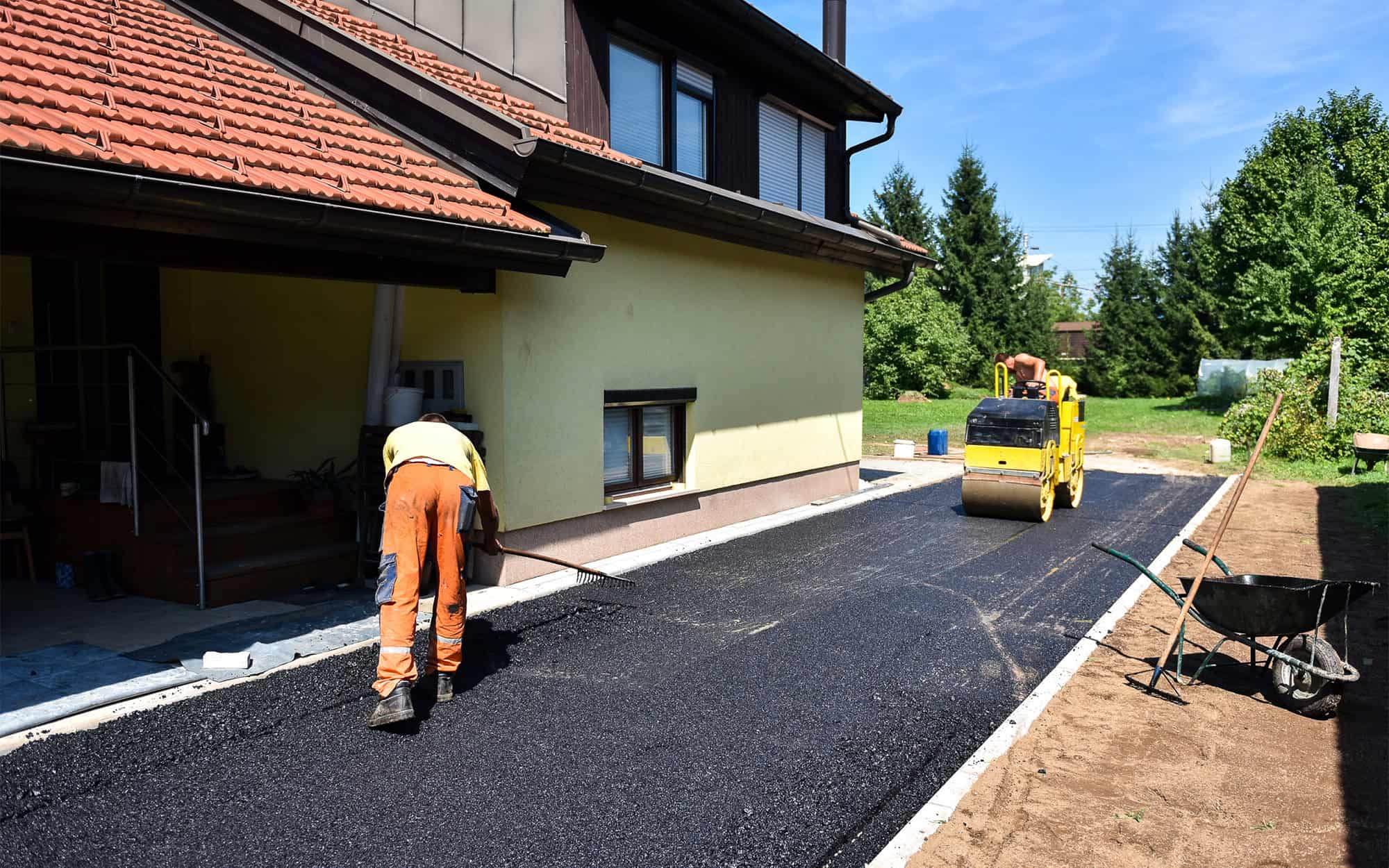
Kansas City Homeowner’s Guide to Spring Asphalt Driveway Damage
This guide will walk you through what to expect, what deserves attention, and how to protect your asphalt driveway from costly long-term issues.
Why Spring Is the Most Important Season for Your Asphalt Driveway
Spring is the most important inspection season for your asphalt driveway. The damage caused by winter does not always reveal itself immediately. As temperatures rise and moisture evaporates, cracks widen and weak spots become more visible.
Kansas City’s climate plays a major role in how asphalt behaves. The region’s clay-heavy soil expands when wet and contracts when dry. That constant ground movement places stress on your asphalt driveway, particularly if water has penetrated the base during winter. Spring gives homeowners a clear window to assess the full impact.
Addressing minor concerns early helps extend the lifespan of your asphalt driveway. Waiting until summer heat or heavy rains worsen the problem often results in more extensive repairs.
A Simple Post-Winter Asphalt Driveway Inspection Checklist
Before assuming the worst, take time to perform a slow, careful walk-through of your driveway. You do not need special tools, just a close eye and a few minutes of focused observation.
Surface Fading and Minor Oxidation
It is normal for an asphalt driveway to fade slightly over time. UV exposure and winter conditions can dull the rich black color, leaving the surface grayish or lighter in tone. This change is primarily cosmetic and does not necessarily signal structural damage. However, oxidation does weaken asphalt over the long term. If fading is accompanied by brittleness or small cracks, it may be time to consider preventive maintenance.
Hairline Cracks
Thin, narrow cracks are common after winter. These typically form when minor surface stress occurs during freeze-thaw cycles. A small cracked driveway section with hairline fractures may not require immediate professional repair. Still, homeowners should not ignore these early signs. Sealing or addressing cracks early can help fix driveway cracks before water infiltration causes larger problems.
Wider Cracks and Alligator Patterns
When cracks exceed a quarter inch in width or form interconnected “alligator” patterns, the issue is more serious. This type of damage often indicates base layer weakness beneath the asphalt driveway. Alligator cracking rarely resolves with simple patching. It often requires targeted asphalt driveway repair or structural correction to prevent further spreading.
Potholes and Soft Spots
Potholes develop when water seeps beneath the surface and erodes the base material. If you notice depressions, crumbling sections, or spongy areas underfoot, these are red flags. A cracked driveway that includes potholes should be evaluated promptly. Delaying repair increases the risk of expanding damage and higher costs.
Edge Breakdown and Drainage Issues
Driveway edges are particularly vulnerable to winter damage. Snowplows, shovels, and tire pressure can cause crumbling along unsupported sides. In addition, improper drainage may cause water to pool near edges, accelerating erosion. Inspect for standing water after rainfall. Persistent pooling can signal grading issues that require professional evaluation.
What’s Normal Wear vs. What’s a Red Flag?
Understanding what qualifies as normal wear can help homeowners avoid unnecessary worry while still acting quickly when needed.
Typically Normal Wear:
- Minor surface fading
- Isolated hairline cracks
- Small areas of surface roughness
- Light edge chipping
Potential Red Flags:
- Cracks wider than ¼ inch
- Multiple cracks forming web-like patterns
- Repeated pothole formation
- Water pooling after light rain
- Sections of a cracked driveway that feel unstable
If you are unsure whether damage is serious, consider how quickly it has developed. Rapid deterioration usually signals a deeper structural issue. In these cases, asphalt driveway repair becomes more urgent than cosmetic sealing.
Ignoring red flags can eventually lead to larger interventions such as driveway resurfacing. Catching problems early significantly reduces overall repair costs.
If your spring inspection reveals damage beyond minor surface wear, exploring professional residential asphalt services can provide clarity and prevent larger issues down the road. Learn how Phillips Paving ensures your asphalt driveway receives the right level of care.
Why Winter Damages Asphalt Driveways So Quickly in Kansas City
Kansas City winters are unpredictable. Sudden temperature swings create the perfect conditions for asphalt expansion and contraction. Water seeps into small surface openings during warmer periods, then freezes overnight, expanding and pushing the pavement apart.
Additionally, de-icing salts accelerate surface deterioration. While they improve safety during icy conditions, they can dry out asphalt binders and contribute to surface cracking over time.
Snowplows and heavy winter traffic also strain residential surfaces. Even a well-installed asphalt driveway can experience stress under repeated scraping and pressure. Combined with shifting clay soil beneath, winter creates a perfect storm for damage.
Understanding these local factors helps homeowners recognize why spring inspection and maintenance are so important.
Can You Repair an Asphalt Driveway Yourself?
Many Kansas City homeowners wonder whether they can repair an asphalt driveway without professional help. In some cases, small issues can be addressed with DIY solutions.
DIY Crack Filling
For narrow cracks, store-bought crack fillers can provide temporary protection. These products help seal small openings and reduce water infiltration. Proper surface cleaning and dry conditions are essential for success. However, crack filling does not address base damage. If cracks reappear quickly, professional asphalt driveway repair may be necessary.
Patching Small Potholes
Small potholes can sometimes be patched using cold-mix asphalt products. When applied correctly, these patches can stabilize the area for a period of time. That said, recurring potholes usually indicate base failure. In such cases, attempting to repair an asphalt driveway without correcting underlying issues may only provide short-term relief.
When Professional Help Is the Smarter Choice
Widespread cracking, drainage problems, or significant structural deterioration require more than surface-level fixes. Professional crews have equipment and expertise to assess sub-base conditions and apply durable repairs. Investing in expert asphalt driveway repair ensures long-term stability and prevents repeat failures.
The Cost of Ignoring Early Asphalt Damage
Small cracks rarely stay small. Water infiltration weakens the base layer, and repeated freeze-thaw cycles expand openings further. Over time, surface cracks evolve into potholes and unstable sections.
As damage spreads, repair complexity increases. What might have required minor sealing in spring can evolve into full driveway resurfacing within a few years if neglected.
Maintaining your asphalt driveway each spring reduces the risk of expensive reconstruction. Timely repairs preserve both curb appeal and property value, helping homeowners avoid unexpected costs.
Protect Your Asphalt Driveway This Spring
Phillips Paving understands the unique challenges Kansas City homeowners face each winter. From minor asphalt driveway repair to larger restoration projects, our team provides solutions designed to protect residential surfaces and fit homeowner budgets.
If your spring inspection raises concerns or you simply want expert guidance, reach out to Phillips Paving today. Addressing issues early ensures your asphalt driveway remains strong, safe, and visually appealing for years to come.
How Water Causes Asphalt Damage
 Water might seem harmless, but it’s one of the biggest threats to your driveway’s durability. Explore what causes asphalt damage, how to spot it, and the smartest ways to stop it from getting worse.
How Water Causes Asphalt Damage
When water enters even the smallest crack in your asphalt, it doesn’t just sit there. It seeps deep below the surface, eroding the base that supports the pavement. Over time, this hidden damage creates soft spots, sinking areas, and even potholes.
If your driveway doesn’t have proper drainage, rainwater and melted snow tend to pool. That standing water weakens the asphalt binders and accelerates cracking. Add in freeze-thaw cycles, and the damage multiplies quickly. The repeated expansion and contraction of water during temperature swings stretches the pavement beyond its limits.
Once the surface is compromised, problems like rutting and edge crumbling begin to show. In many cases, the damage is already widespread by the time you notice visible signs.
Signs Your Driveway Has Water Damage
Water-related issues tend to start small, but spotting them early can save you hundreds or thousands in future repairs.
- Cracking and Alligator Cracks
Hairline cracks are often the first sign that water is working its way beneath the surface. These can grow into a pattern known as alligator cracking, which looks like a reptile’s skin.- Cracks that grow wider over time
- Web-like surface patterns
- Moisture or plant growth inside the cracks
- Potholes and Depressions
Potholes form when water repeatedly enters cracks, freezes, and pushes pieces of asphalt loose. Over time, the material breaks away, leaving behind a hole or depression.- Circular or oval holes
- Gravel and loose debris around the hole
- A dip or soft spot when walked or driven over
- Edge Breakdown and Rutting
Water pooling near driveway edges causes erosion that breaks down the borders. Meanwhile, rutting forms in areas where water weakens the sublayer due to consistent pressure from vehicles.- Crumbling or craggy edges
- Tire marks or grooves that won’t smooth out
- Visible slope changes where water collects
These issues may also point to water seeping from under the driveway, a less visible but serious form of asphalt damage. If your driveway seems unstable or parts look like they’re shifting, this could be the cause.
How Drainage and Grading Contribute to Driveway Damage
A major cause of asphalt damage is poor grading, when your driveway doesn’t slope correctly or doesn’t guide water away from the surface.
Water that runs off your roof or lawn shouldn’t drain toward your driveway. If it does, puddles will collect during storms or after snowmelt. That lingering moisture eats away at the asphalt layer, softening the surface and weakening the support structure underneath.
To check your drainage:
- Watch where water flows after a rainstorm.
- Look for recurring puddles.
- Check if your downspouts dump water directly onto your driveway.
Addressing improper drainage early helps prevent costly fixes later.
Water Damage Prevention Tips for Asphalt Driveways
Now that you know what causes damage, here’s how to prevent it. With a few simple steps, you can protect your asphalt and keep it looking and performing its best.
1. Sealcoat Every 2 to 3 Years
Sealcoating adds a waterproof barrier on top of your driveway. It keeps water from entering small cracks, protects against UV damage, and helps your driveway resist staining and surface wear.
- Apply in warm, dry weather (spring or summer)
- Avoid sealcoating over large cracks or potholes
- Use a high-quality product rated for residential driveways
2. Fill Small Cracks Early
Don’t wait until cracks spread. A tube of crack filler is cheap, and applying it early can stop water from turning a minor issue into a full resurfacing job.
- Clean the crack first
- Use a filler designed for asphalt
- Allow time for curing before driving over it
3. Check for Pooling Water After Rain
Look for standing water after heavy rain. If water collects near your garage or in low areas, address it quickly.
- Redirect gutters away from the driveway
- Consider regrading or adding drains
- Add gravel or sand to low spots temporarily
4. Keep the Driveway Clear
Leaves and debris trap moisture. Regular sweeping prevents buildup that encourages mold, mildew, and surface breakdown.
- Sweep monthly
- Power wash once a season
- Clear leaves before snow or rain events
5. Watch the Edges
Driveway edges are especially vulnerable. Avoid driving heavy vehicles close to the edge and reinforce soft spots with edging materials or soil to keep them stable.
Schedule preventive help from Phillips Paving before your driveway falls apart. Discover how our asphalt repair protects your driveway from ongoing water damage. Our Asphalt Repair
Understanding Soil Erosion and Its Impact on Asphalt
Water damage doesn’t always start on the surface. Soil erosion under and around your driveway can lead to serious structural problems. When heavy rains wash away the ground beneath your asphalt, it creates voids that cause cracking, sinking, and uneven surfaces. Proper grading and the use of retaining materials can reduce this risk. If left untreated, erosion-related issues may lead to full replacement rather than repair, which increases your costs and downtime. Stay ahead of damage by regularly checking the soil condition near your driveway and contacting a professional if instability appears.
The Importance of Seasonal Inspections
Each season brings different stressors that affect your asphalt. Spring runoff, summer heat, fall debris, and winter freeze-thaw cycles all contribute to wear and tear. Seasonal inspections are a smart way to identify small issues before they become costly problems. A qualified contractor can assess the state of your surface, check for hidden water intrusion, and recommend timely maintenance. These check-ins help extend your driveway’s lifespan and prevent emergency repairs. Scheduling a spring and fall inspection ensures your surface is always prepared for what’s next.
When DIY Isn’t Enough: Calling a Pro
Some issues can’t be solved with filler and a broom. If your driveway is cracked and sinking or shows signs of serious water damage, it’s time to consult a residential asphalt driveway repair professional.
A contractor can:
- Diagnose the underlying cause (like water seeping from under driveway areas)
- Assess whether resurfacing or full replacement is needed
- Suggest better grading or drainage solutions
- Provide services like crack sealing, pothole patching, and asphalt overlay
They’ll also give a clear estimate, helping you weigh the cost to repair a water leak under driveway areas versus more extensive work.
If the damage is isolated to a small section, localized repair may be enough. But if the surface has widespread cracking or sagging, full driveway resurfacing in Kansas City may be the smarter investment.
Protect Your Driveway with Help from Phillips Paving
Whether you’ve spotted early signs of wear or you’re dealing with ongoing drainage concerns, the team at Phillips Paving is ready to help. Our experts specialize in residential asphalt repair, sealcoating, and long-term protection strategies tailored for Kansas City homeowners.
Don’t wait for the damage to grow. Contact Phillips Paving today to schedule your inspection and get a customized solution that keeps your driveway strong, attractive, and built to last.
How Cold Weather Affects Asphalt
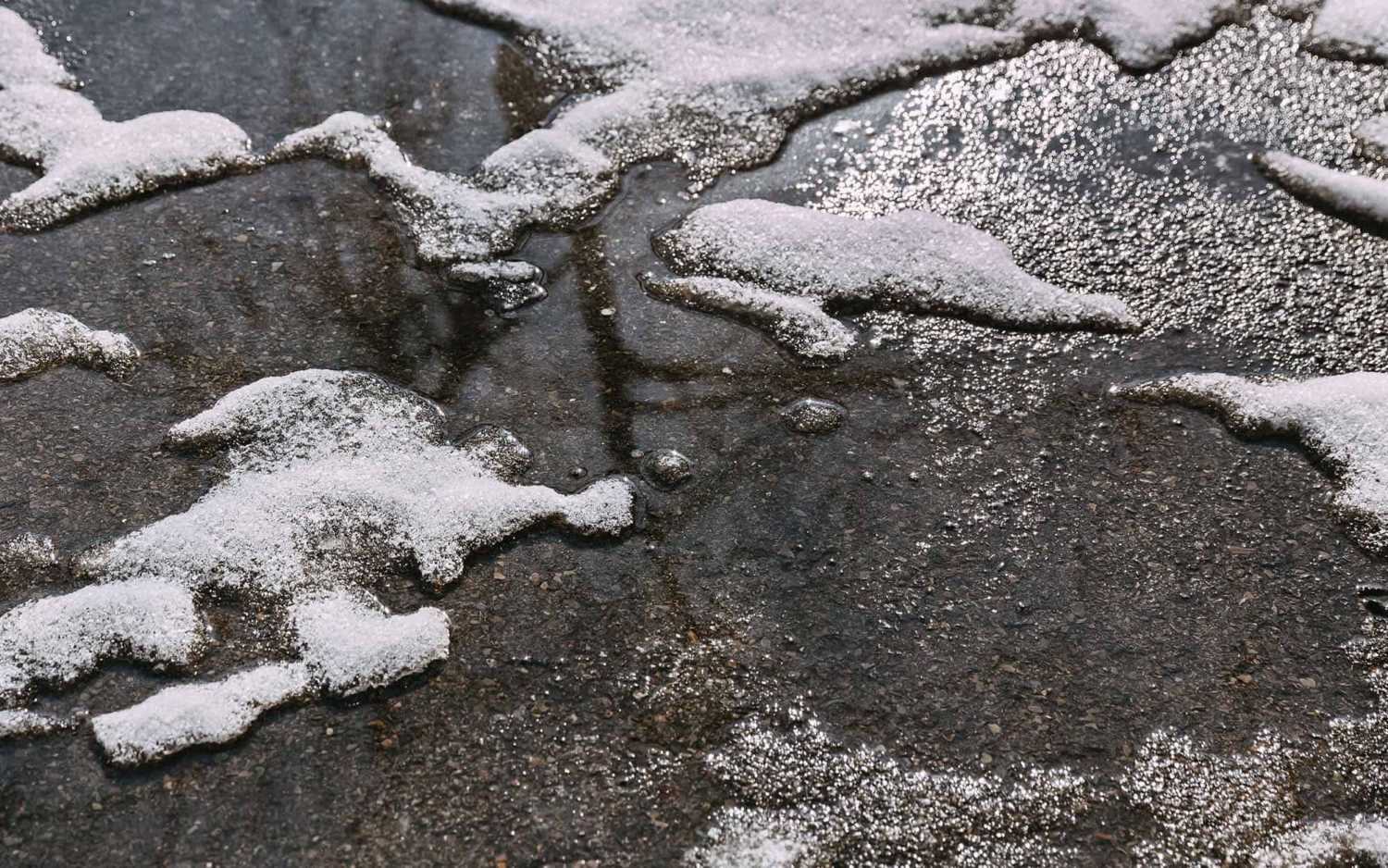 Winter driveway damage can sneak up fast. Learn what to watch for and how asphalt maintenance for winter can protect your driveway before small issues turn into costly spring repairs.
How Cold Weather Affects Asphalt
Asphalt expands and contracts with temperature changes. In winter, when snow and ice melt and refreeze, moisture can seep into small cracks and freeze overnight. This is called the freeze-thaw cycle, and it’s one of the biggest threats to your winter driveway’s integrity.
When water freezes, it expands. That expansion puts pressure on the asphalt, widening cracks and weakening the surface. Repeated freeze-thaw cycles cause long-term deterioration and eventually lead to potholes or sinking areas.
You may not notice this damage right away, but once spring arrives, it becomes obvious. Hairline cracks grow larger, edges crumble, and the once-smooth surface starts to look rough and uneven.
Before winter ends, it’s important to understand the damage snow and ice can cause. Below are the most common types of winter driveway damage and how to spot them early.
The Most Common Types of Winter Driveway Damage
Winter can take a toll in several ways. Below are the most frequent issues homeowners encounter after snow and ice.
Knowing how cracks form and how they worsen during freezing temperatures helps you take quick action.
- Cracks
Cracks form when moisture freezes inside the surface and expands. These can start as thin lines (called hairline cracks) and quickly develop into larger openings.What to look for:- Small zigzagging lines across the surface
- Cracks that widen or deepen over time
These dangerous surface holes are more likely to form during winter and early spring.
- Potholes
When snow and ice repeatedly thaw and refreeze inside small cracks or dips, they push pieces of asphalt loose. Over time, this creates potholes.What to look for:- Circular holes with loose gravel inside
- Uneven or bumpy areas that feel hollow beneath tires or feet
Driveway edges are particularly vulnerable in winter. Here’s how to spot early deterioration.
- Edge Crumbling
Snowplows and heavy snow equipment can put pressure on the sides of the winter driveway. This weakens the edges and can cause them to crack or fall apart.What to look for:- Broken-off corners
- Jagged or chipped edges
De-icing materials are convenient but can lead to surface wear. Here’s what to look out for.
- Surface Erosion
Salt and de-icers are useful in winter but can break down asphalt binders. This leads to surface erosion that dulls and weakens the appearance and performance of the driveway.What to look for:- A faded or gray appearance
- A rough texture or flaking surface
Snow removal is necessary during winter, but certain tools and methods can do more harm than good.
How Snow Removal Contributes to Damage
Snow removal is necessary, but if done incorrectly, it can cause additional problems. Many homeowners don’t realize how much damage improper driveway snow removal can cause.
Metal blades on snowplows or shovels can scrape and gouge the asphalt.
Improper snow-blow techniques can create uneven patches where moisture pools.
Shoveling too deep can chip away sealant and expose the surface to water and air.
Instead, use a plastic or rubber-tipped shovel, clear snow early before it compacts, and avoid leaving heavy snow piles near the edges of your winter driveway.
Stay ahead of damage with proactive asphalt services from Phillips Paving. Our repair services can help stop small issues from getting worse. Our Asphalt Repair
The Effect of De-Icing Salts on Your Driveway
De-icing products help melt snow and ice, but they also increase water absorption into your winter driveway. Salt attracts moisture, which speeds up freeze-thaw damage and can chemically weaken asphalt over time.
Prevention Tips for Protecting Your Driveway in Winter
While winter driveway damage is common, there are simple ways to reduce risk. Here are the top prevention strategies every homeowner should follow.
- Sealcoat Before Winter
Sealcoating acts like a shield for your asphalt. It keeps water, salt, and UV rays from penetrating the surface. It also restores the deep black color that improves curb appeal.Apply a new layer of driveway sealcoating every 2 to 3 years. For the best results, plan to sealcoat before cold weather arrives — ideally in late summer or early fall. - Maintain Proper Drainage
Standing water is a sign of trouble. Make sure your driveway slopes away from your home and that nearby gutters, downspouts, and yard drains are clear.Add drainage channels or adjust grading if water consistently pools near your garage or low points in the pavement. - Remove Snow the Right Way
Use a lightweight plastic shovel or a snow blower with padded skids to reduce surface contact. Always shovel with the slope of your driveway to minimize scraping. - Use Asphalt-Safe Ice Melt
Avoid rock salt or other harsh chlorides that degrade your surface. Instead, choose de-icing products labeled safe for residential asphalt driveway repair. Sand is another good option, offering traction without chemicals. - Schedule a Pre-Winter Inspection
Before winter sets in, have a paving professional inspect your winter driveway. They’ll identify small issues you may not see and recommend affordable asphalt maintenance for winter like patching or sealing.
When to Call a Professional for Winter Driveway Damage
It’s smart to watch for early signs of winter damage, but knowing when to call for help is even more important. Call a professional if you notice:
- Cracks that widen or deepen across the surface
- Water pooling after snowfall that won’t drain
- Loose gravel or visible potholes forming
- Chipping or crumbling along the edges
- A driveway cracked and sinking in one or more areas
A residential asphalt driveway repair expert can inspect the damage, recommend long-term fixes, and provide services like patching, crack sealing, or even full driveway resurfacing.
Why Winter Driveway Damage Happens in Kansas City
Kansas City’s climate features frequent freeze-thaw cycles, moderate snowfall, and seasonal rains, all of which contribute to accelerated winter driveway wear. Moisture infiltrates the surface, freezes, and expands. Road salt compounds the problem, leading to cracking, potholes, and discoloration by spring.
For homeowners in the region, investing in asphalt maintenance for winter is essential. If you’re in need of driveway resurfacing Kansas City homeowners trust, schedule a spring assessment to address winter damage quickly.
Protect Your Driveway in Every Season With Phillips Paving
Phillips Paving helps homeowners take care of their asphalt year-round. Whether you’re seeing damage or just want to avoid future issues, we offer inspections, asphalt maintenance for winter, and full residential asphalt driveway repair. Reach out today for a winter inspection homeowners rely on.
Asphalt Driveway Maintenance Tips After a Harsh Winter: A Homeowner’s Checklist
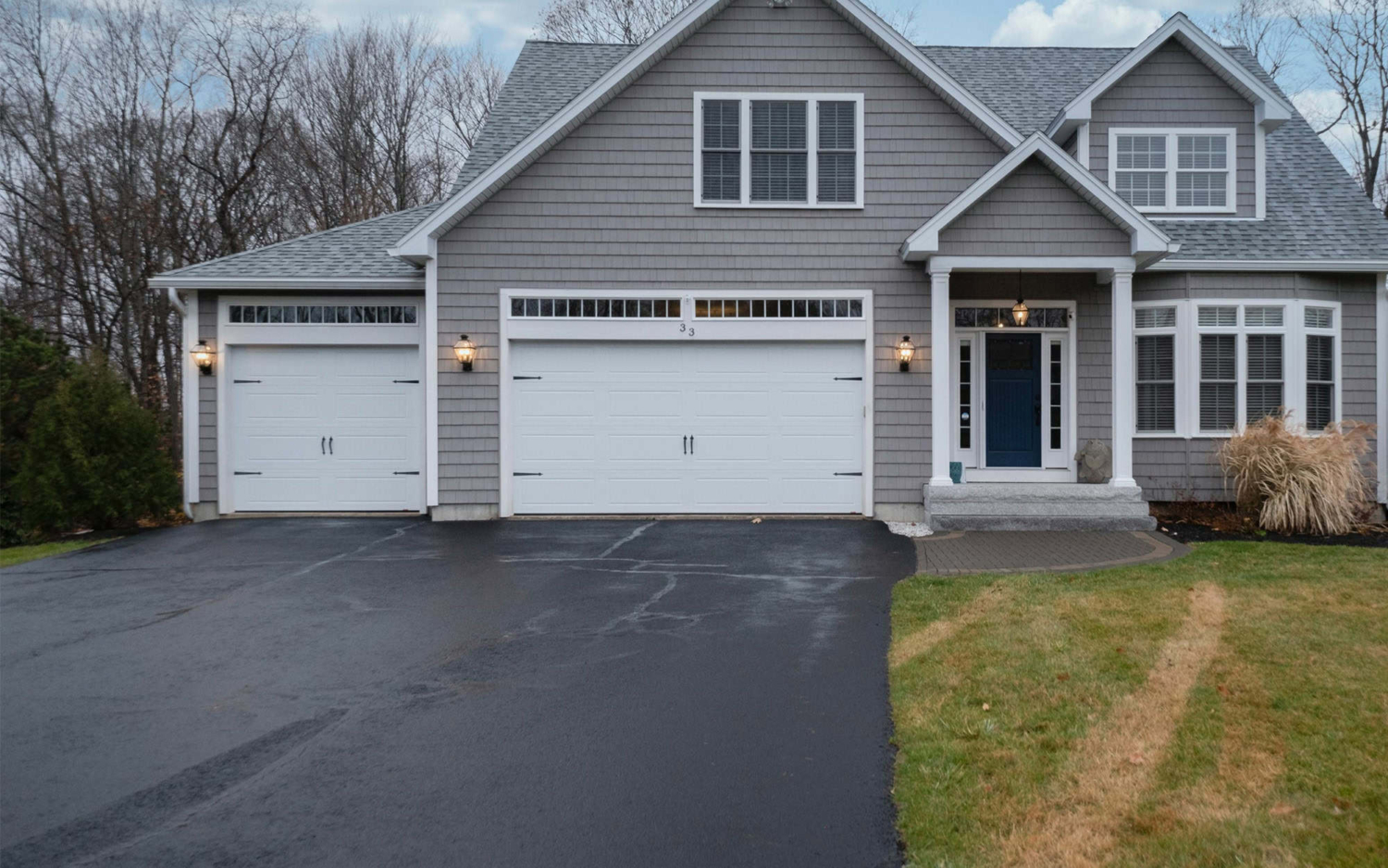 Winter can be especially tough on your asphalt driveway. Between freeze-thaw cycles, heavy snow, and ice-melting chemicals, your pavement takes a beating. Explore this step-by-step checklist to help you inspect, maintain, and plan for repairs to keep your driveway looking great and performing safely year-round. These asphalt driveway maintenance tips are designed to help you catch problems early and extend your driveway’s life.
Why Winter Causes So Much Driveway Damage
Asphalt is a flexible material, but extreme temperature shifts and moisture can weaken its structure over time. One of the biggest culprits is the freeze-thaw cycle. When water seeps into cracks and freezes, it expands, causing the cracks to grow. When the ice melts, it leaves behind gaps, weakening the pavement and inviting more moisture in.
Snowplows, salt, and other ice-melting products also contribute to surface wear, while snow buildup can hide developing issues until it’s too late. After just one winter season, a previously smooth surface can start to show serious signs of damage.
That’s why homeowners in colder climates should pay extra attention to their driveway every spring. Simple asphalt driveway maintenance tips can make all the difference in catching damage before it worsens.
Step-by-Step Driveway Inspection Checklist
Once the snow melts and your driveway is fully visible, you can begin your springtime assessment. This checklist will help you catch issues early and decide whether your driveway needs sealcoating, resurfacing, or repairs. These asphalt driveway maintenance tips are organized by what to look for during your first warm-weather walkthrough.
1. Look for Cracks and Surface Breaks
Cracks are the most common sign of winter damage. Check for:
- Hairline cracks (often caused by aging or minor shifts)
- Alligator cracks (interconnected patterns resembling alligator skin)
- Linear cracks running along the width or length of the driveway
Small cracks can usually be filled, but large or deep ones may indicate underlying base damage.
2. Check for Potholes or Depressions
Potholes form when water seeps into cracks and erodes the base layer of the asphalt. If you find any depressions, indentations, or crumbling sections, this could mean more extensive repair is needed. Catching them early can prevent worsening damage and eliminate safety risks.
3. Assess Drainage and Water Pooling
Improper drainage causes long-term driveway damage. If water pools in certain areas after rain or snowmelt, your driveway may have grading issues. Pooled water accelerates deterioration and increases the chances of cracks and potholes forming.
Asphalt should have a deep black color when in good condition. If your surface appears gray or faded, it likely needs sealcoating. Loss of color also indicates exposure to UV damage and oxidation, which reduce asphalt flexibility. Asphalt driveway maintenance tips often include sealcoating as a first step in restoring surface integrity.
5. Inspect the Edges of the Driveway
Driveway edges often take the most abuse during winter. Snowplows, ice, and runoff can cause cracking, crumbling, or edge sinking. Secure, well-maintained edges help preserve the structure of the entire surface.
6. Check for Vegetation Growth
Weeds or grass sprouting through cracks are a sign that the cracks have existed long enough for seeds to take root. This means the damage is already substantial, and water intrusion is likely occurring underneath.
When to Sealcoat vs. Repair or Resurface
Not all damage requires the same level of maintenance. Here’s how to tell what your asphalt driveway needs based on your inspection. These asphalt driveway maintenance tips help you avoid overspending while protecting your pavement.
Sealcoating: The Preventative Option
If your driveway is mostly intact with only minor hairline cracks and fading, sealcoating is a great option. It restores color, provides a moisture barrier, and protects against UV damage. Sealcoating should be applied every two to three years for best results.
Crack Filling: Targeting Small Repairs
Crack filling works well for isolated cracks that haven’t yet formed potholes or spread into complex patterns. This prevents water infiltration and further deterioration.
Resurfacing: A Fresh Layer for Moderate Damage
If your surface has multiple cracks, light potholes, or poor drainage but the foundation is still stable, resurfacing may be the best solution. This process involves laying a new asphalt layer over the existing surface to extend its life.
Replacement: When the Base Has Failed
When the damage is widespread, the asphalt has heaved or sunk, or drainage cannot be corrected through resurfacing, a full replacement may be necessary. This is typically the last resort for severely damaged driveways.
Why Freeze-Thaw Cycles Are So Damaging
Freeze-thaw cycles are one of the leading causes of asphalt driveway damage. These cycles happen when daytime temperatures rise above freezing, melting snow and ice, and then fall below freezing at night. The result? Repeated expansion and contraction of trapped moisture within the asphalt.
Over time, this movement weakens the structure and causes cracks to widen. Preventing moisture infiltration before winter is the best defense—a well-sealed surface resists cracking, even during harsh freeze-thaw cycles.
This type of driveway damage may be hard to spot at first, but it accumulates quickly. That’s why timely inspections are key.
Schedule Repairs Before Peak Season
Spring is the perfect time to schedule asphalt repair or maintenance. Waiting until summer or fall can leave you competing for appointments with other homeowners and businesses, which may delay needed service.
By addressing issues early, you also prevent further damage as temperatures warm up and rainfall increases. Getting your driveway in shape during spring ensures it will be strong and weather-resistant through the rest of the year.
Following early asphalt driveway maintenance tips in spring helps you avoid higher repair costs down the road.
Protect your asphalt early with Phillips Paving. Explore our maintenance services and catch damage early to avoid expensive repairs. Contact Us Today!
Benefits of Proactive Maintenance
Taking care of your driveway saves you money and keeps your property looking great. A well-maintained driveway improves curb appeal and can increase your home’s value, especially if you’re considering selling in the future.
Proactive repairs also minimize liability risks. A cracked or uneven driveway can lead to trips and falls, especially for kids and seniors. Sealing those cracks before they grow helps you avoid these hazards.
Finally, regular maintenance is simply less expensive than full replacement. Spending a little each spring can add years to your driveway’s lifespan.
Driveway Damage Isn’t Always Obvious
Even if your driveway looks fine on the surface, there could be underlying problems developing. That’s why a professional inspection is helpful, especially after a particularly harsh winter. A trained eye can spot early warning signs that may not be visible to homeowners.
When in doubt, it’s better to ask a professional than to wait until damage becomes too advanced to fix easily. These asphalt driveway maintenance tips help you stay ahead of invisible issues.
Strengthen Your Driveway with Phillips Paving
At Phillips Paving, we help homeowners throughout the Kansas City area keep their driveways strong and safe through every season. Our experts provide honest recommendations and high-quality workmanship that delivers long-term results. Contact us today to schedule your free estimate and take the first step toward a better-looking, longer-lasting driveway.
What Our Clients Say

Sooz C.
Ramon A.
Viper389890 D.
Mark T.
Gary T.
BRIANA M.
RICHARD M.
HOA BOARD
IRENA B.
HOME OWNER
© 2026 Phillips Paving. All rights reserved. | Privacy Policy