
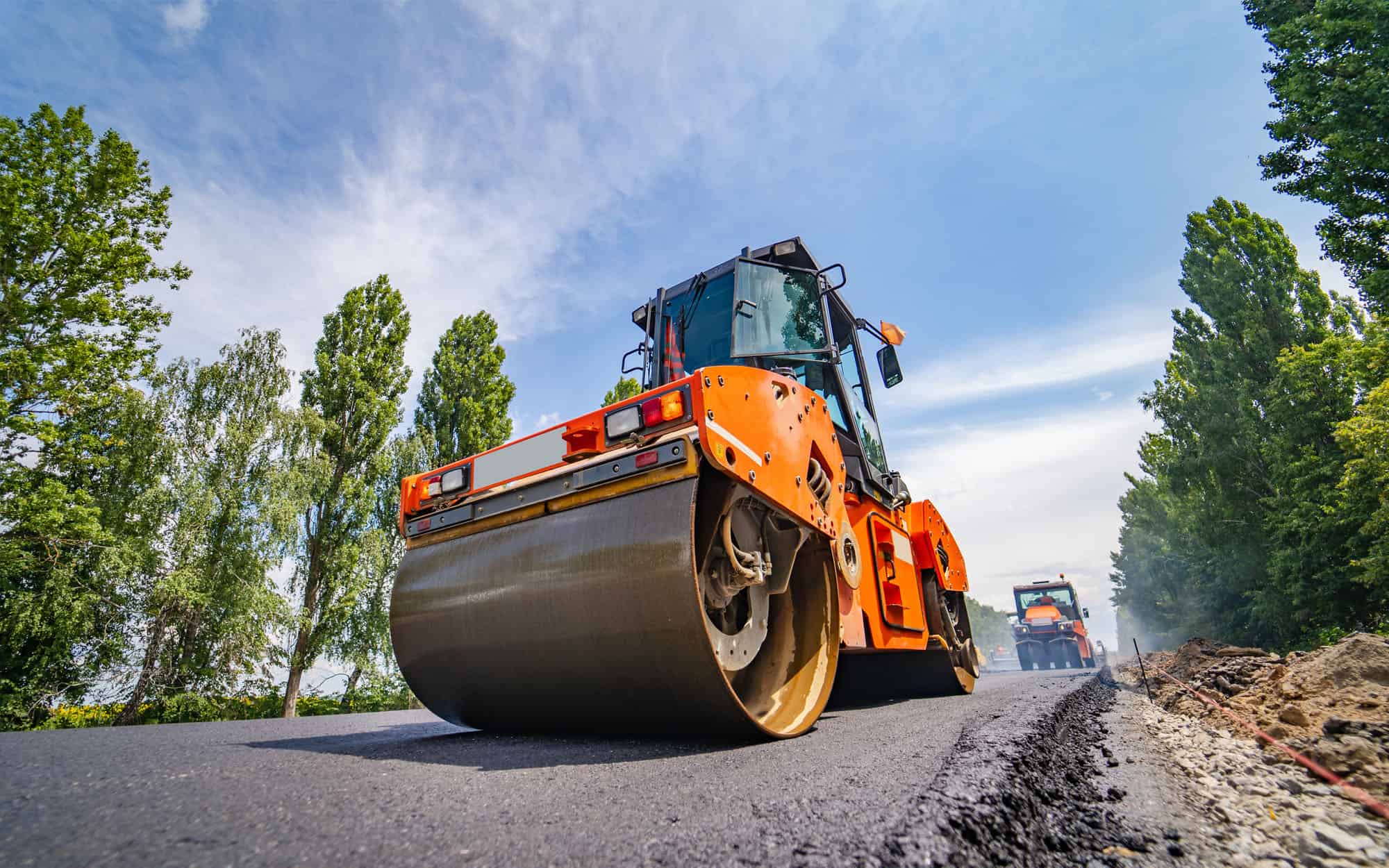
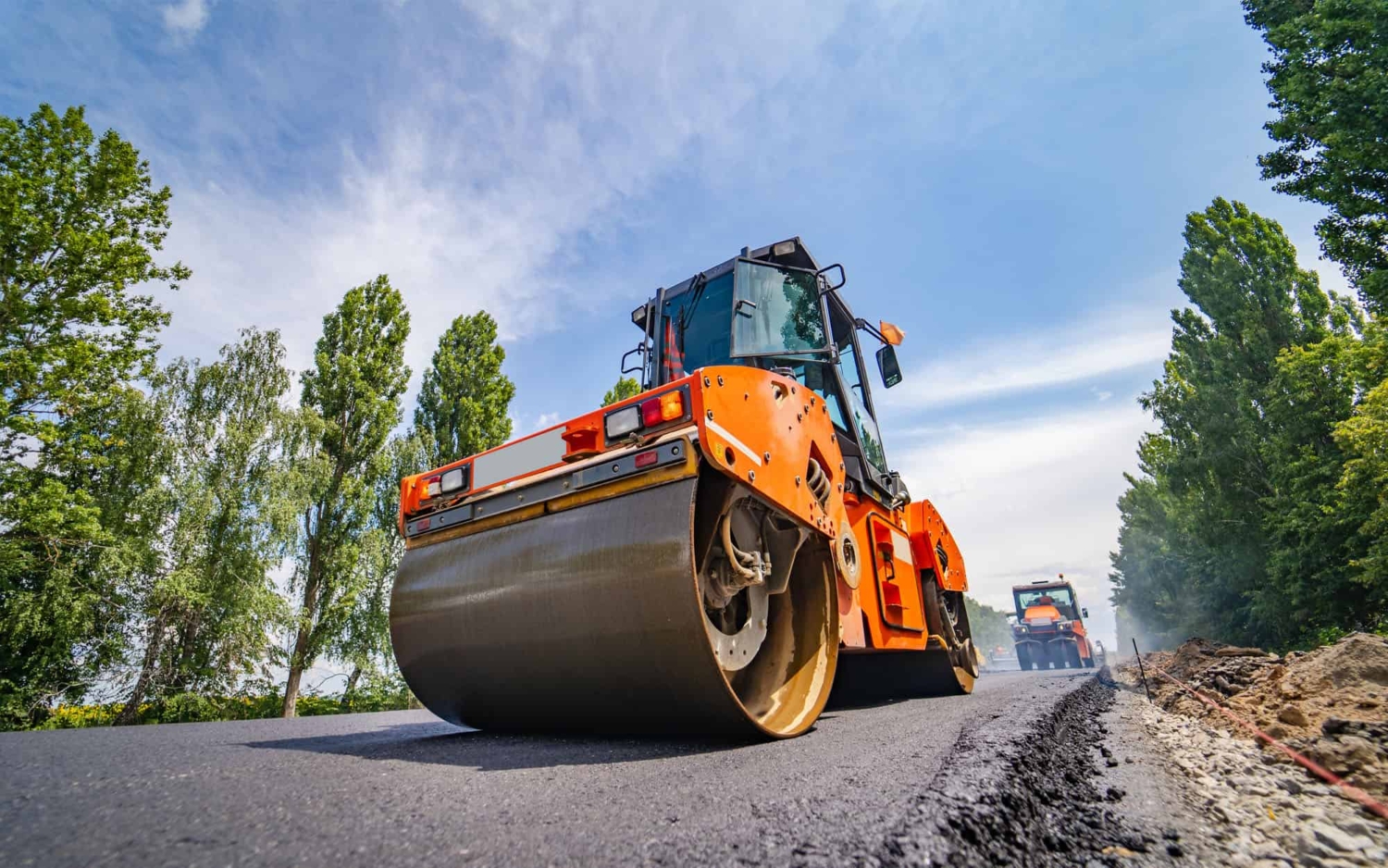
 If you’re thinking about resurfacing your driveway or parking lot, one of the most common questions is: How long will it last? The lifespan of asphalt resurfacing typically ranges between 8 and 15 years. The wide range depends on several factors, like how often the surface is used, the local weather, and the quality of materials used in the project.
Continue reading to learn what affects asphalt longevity, how to protect your investment, and when resurfacing is a better choice than full replacement.
Understanding the Lifespan of Asphalt Resurfacing
Most resurfaced asphalt surfaces can last a decade or more when installed correctly and properly maintained. But not all projects are the same. Asphalt’s lifespan is directly influenced by the conditions it’s exposed to daily.
Many elements come into play, from the thickness of the resurfaced layer to the base underneath. Understanding these can help you make smart decisions as a property owner.
Factors That Affect Asphalt Durability
The durability of a resurfaced asphalt surface depends on various environmental and physical factors. Knowing what influences your surface’s performance can help you better plan for care and future maintenance. Let’s explore the most important factors that impact how long your resurfacing will last.
1. Climate and Weather Conditions
Hot summers and freezing winters can both take a serious toll on asphalt. The pavement can soften and become more vulnerable to wear in warmer regions, especially under heavy loads. In colder climates, freezing temperatures cause water inside cracks to expand, creating larger fractures and accelerating deterioration. Repeated freeze-thaw cycles are particularly harsh on resurfaced asphalt. Moisture, in general, is a critical issue; water that infiltrates through cracks and settles into the base can weaken the structure beneath the surface and lead to premature failure.
Regular exposure to the elements without protection from seal coating or other preventative treatments will greatly reduce the length of time the asphalt remains in good shape. Property owners in extreme climates should be especially diligent about maintenance.
2. Traffic Load and Usage
The type and volume of traffic using your pavement daily play a major role in determining its lifespan. Surfaces that bear mostly foot traffic or light passenger vehicles tend to last longer than those supporting constant pressure from delivery trucks, construction equipment, or other heavy-duty vehicles. The more weight your asphalt supports, the quicker it wears down.
For example, residential driveways used by a few vehicles daily can often last 15 years. On the other hand, busy commercial lots, especially those used by service vehicles or large trucks, might need attention much sooner. The turning, braking, and acceleration frequency also stresses the surface.
3. Quality of Materials and Workmanship
The quality of the materials used and the skill of the paving crew are two of the most critical elements in ensuring your resurfaced asphalt lasts as long as possible. Some asphalt mixes are engineered for durability and flexibility, while others may break down faster under pressure. Proper installation methods, like ensuring the right thickness and thorough compaction, are just as important.
Suppose shortcuts are taken during the resurfacing process, such as applying a too-thin layer or failing to repair cracks and potholes beforehand. In that case, the surface may look fine at first but begin to deteriorate quickly. Hiring a professional paving company that uses top-tier materials and proven methods is essential to maximizing performance.
These three key areas, weather exposure, traffic use, and installation quality, are the foundation of asphalt durability. When understood and managed properly, they can significantly influence the longevity of your resurfacing investment.
Prolong Asphalt Longevity With Routine Maintenance
You don’t just install asphalt and forget it. Regular attention is needed to keep it in good shape, like any important investment. Even a well-installed surface can wear out much faster than expected without upkeep. But the good news is that with a few simple maintenance steps, you can prolong asphalt performance and keep your paved surfaces strong, safe, and great-looking for years to come.
Here are some of the most effective ways to protect your resurfaced asphalt:
- Sealcoating should be done every three to five years to shield the surface from water, harsh sunlight, chemicals, and oils that can break down the surface over time.
- Crack filling to seal any openings where water can enter and cause damage to the layers underneath.
- Sweeping and cleaning the surface on a regular basis to clear away dirt, debris, and loose gravel that can weaken the pavement or hide early signs of trouble.
- Edge maintenance to prevent crumbling and erosion along the sides of your pavement.
- Timely repairs for small issues before they grow into bigger, costlier problems.
By making these practices part of your regular maintenance routine, you can extend the lifespan of asphalt by several years. Not only does this save you money on future repairs or replacement, but it also keeps your property looking sharp and professional in the eyes of visitors, customers, or guests.
When to Resurface vs. Replace Asphalt
Sometimes, resurfacing isn’t the right option. So, how do you know when replacement is the better route? It comes down to the base layer’s condition and the damage depth
Choose resurfacing if:
- The surface is mostly intact but has cracks or worn areas.
- The foundation underneath is stable and hasn’t shifted.
- You’re looking for a cost-effective way to improve looks and function.
Choose full replacement if:
- There are widespread potholes, deep cracks, or sinking spots.
- The base has failed or shows signs of drainage issues.
- You’ve resurfaced the same area before, and problems have returned.
Knowing the difference helps you make smarter long-term decisions about your paving needs and extend the lifespan of asphalt.
Make the right paving decision with Phillips Paving. Our asphalt resurfacing can add years to your pavement.
Planning for Longevity: What Businesses and Homeowners Should Know
Thinking ahead is key to getting the most out of your resurfaced asphalt. For businesses, well-maintained pavement shows customers you care about details and helps avoid unexpected repairs that could disrupt operations.
For homeowners, a clean, crack-free driveway adds curb appeal and saves you money over time. Knowing the expected lifespan of asphalt helps with budgeting and maintenance planning, whether you’re paving a parking lot or a front path.
Why Phillips Paving Is the Smart Choice for Enhancing the Lifespan of Asphalt
We don’t just resurface at Phillips Paving—we set you up for long-term success. Our crews use high-quality materials and proven methods and offer maintenance plans to help extend the life of your investment. Contact us today to discover how our general and commercial asphalt paving services can keep your pavement pristine.