
The Benefits of Asphalt Resurfacing vs. Full Asphalt Replacement
 When your driveway starts showing signs of wear, it’s natural to wonder whether to resurface or replace it altogether. Asphalt resurfacing often presents a smarter, more budget-friendly alternative to full replacement—especially when the foundation is still solid. At Phillips Paving, we help homeowners make confident decisions with reliable, long-lasting driveway solutions.
Resurfacing vs. Replacement: What’s the Difference?
Understanding the distinction between asphalt resurfacing and asphalt replacement is essential for making the right decision. Asphalt resurfacing involves applying a new layer of asphalt over an existing driveway, provided the foundation is still in good shape. It restores a fresh, smooth surface without the cost or labor of a full overhaul.
In contrast, asphalt replacement means removing the existing driveway, including its base layers, and rebuilding it from scratch. While more intensive, replacement is only necessary when there are serious structural issues below the surface. Phillips Paving evaluates each property thoroughly to recommend the best option for your driveway’s condition and your budget.
Factors to Consider When Resurfacing Your Driveway
Before committing to resurfacing, it’s important to assess the current state of your driveway. While this option is often more cost-effective, it’s not always appropriate for every situation.
- Structural Integrity: Resurfacing is only possible if the base of your driveway is still stable and free from deep foundational damage.
- Crack Size and Spread: Minor surface cracks can be resurfaced, but widespread or deep cracks may require asphalt replacement.
- Drainage Efficiency: Resurfacing won’t correct poor water drainage, so this must be addressed first to prevent future damage.
- Age of the Driveway: Driveways older than 20 years with frequent issues may be better candidates for full replacement.
- Budget Constraints: Resurfacing typically costs significantly less than a full driveway replacement, making it ideal for homeowners on a tighter budget.
- Timeline: If you’re looking for a faster solution with less disruption, resurfacing may better suit your needs.
If most of these conditions favor resurfacing, your driveway could benefit from a professional overlay by Phillips Paving without the added cost and labor of a complete rebuild.
The Advantages of Resurfacing Your Asphalt Driveway
Asphalt resurfacing offers a range of practical and financial benefits that often make it the preferred option for homeowners. When handled by an experienced team like Phillips Paving, resurfacing can restore your driveway’s appearance and performance for years to come.
Affordability
One of the biggest draws of resurfacing is the cost. Full asphalt replacement is significantly more expensive because it involves demolishing the old driveway and rebuilding from the base up. In contrast, resurfacing uses the existing structure, which reduces both labor and material costs. For homeowners who want results without breaking the bank, Phillips Paving delivers affordable resurfacing options that protect your investment.
Faster Installation
Asphalt resurfacing is much quicker to complete than a full replacement. Since there’s no need for excavation or sub-base reconstruction, most resurfacing jobs can be completed in a day or two. This is ideal for homeowners who want minimal downtime and a fast turnaround. Phillips Paving prides itself on efficient, high-quality service that keeps your schedule in mind.
Minimal Disruption
Replacing a driveway often involves noisy machinery, large crews, and days of work that disrupt your home’s accessibility. Resurfacing is a far less intrusive process. Our team at Phillips Paving ensures that you and your family can continue life as usual while we upgrade your driveway’s surface with minimal interruption.
Improved Aesthetic Appeal
A resurfaced driveway immediately improves your home’s curb appeal. Fresh asphalt creates a smooth, dark surface that looks brand new and makes your property look well-maintained. At Phillips Paving, we ensure a flawless finish that enhances your home’s appearance without the hassle of a full driveway replacement.
Extended Lifespan
Resurfacing adds years to your driveway’s lifespan—often up to 10-15 years—by protecting the underlying layers from further damage. It’s an ideal way to delay the need for full asphalt replacement, especially when your driveway is structurally sound. Phillips Paving helps homeowners extend the life of their investment with durable resurfacing applications.
Environmentally Friendly Option
Resurfacing reduces waste by reusing the existing structure rather than demolishing and discarding old materials. It also minimizes the energy and resources used in manufacturing new asphalt. For environmentally conscious homeowners, this is a driveway solution that balances performance with sustainability.
Explore Phillips Paving’s expert asphalt resurfacing services today and give your driveway a fresh, durable upgrade without the cost of full replacement. Contact Us Today!
Asphalt Replacement vs. Resurfacing: Which Do You Need?
Knowing whether you need asphalt resurfacing or a complete asphalt replacement requires a detailed assessment of your driveway’s condition. At Phillips Paving, we help you choose the most practical, cost-effective solution for your needs.
[/av_textblock]
[/av_one_full]
When Resurfacing Is Enough
Resurfacing is an excellent option when your driveway shows moderate wear but the foundation remains intact. If you notice surface cracks, fading, or light potholes, resurfacing can restore a fresh look and better performance without requiring a full driveway replacement. Professional inspections can confirm that the sub-base is stable and can support a resurfacing application.
You may only need resurfacing if:
- Your driveway is under 15–20 years old.
- Damage is limited to the top layer.
- Drainage is still functional.
- You want to improve aesthetics and safety quickly and affordably.
When Full Asphalt Replacement Is Necessary
In some cases, the only long-term solution is complete asphalt replacement. This is usually required when foundational issues exist, such as widespread potholes, poor drainage, or significant base erosion. If resurfacing is performed over a damaged base, the new surface may quickly fail—costing you more in the long run.
You may need full replacement if:
- There are deep, structural cracks or base failure.
- Water pooling and drainage problems are ongoing.
- The driveway is over 20 years old and breaking down.
- Previous resurfacing layers are already in place and no longer holding up.
Phillips Paving provides honest assessments to help homeowners avoid unnecessary expenses while ensuring a reliable, long-lasting driveway solution.
Reap the Rewards of a Resurfaced Driveway With Phillips Paving
When it comes to choosing between resurfacing and complete asphalt replacement, Phillips Paving offers the expertise you need to make an informed, confident decision. For many homeowners, resurfacing is the smarter, more affordable option—offering all the aesthetic and functional benefits of a new driveway without the high costs and extended timelines.
Whether you’re looking to refresh a worn surface or extend the life of your existing pavement, our team delivers professional driveway solutions you can count on. Contact Phillips Paving today and discover how easy and cost-effective it can be to breathe new life into your driveway.
Driveway Resurfacing Signs: When It’s Time to Act
 Driveways take a daily beating from cars, sun, rain, and time. Over the years, this wear adds up, and if you’re not paying attention, small problems can turn into major ones. That’s why understanding driveway resurfacing signs is so important. Catching issues early can save you money and prevent bigger problems.
Continue reading to explore the most common indicators that your driveway may need resurfacing. We’ll help you figure out if resurfacing is the right fix or if replacement is necessary, and we’ll explain what steps to take next.
The Lifespan of an Asphalt Driveway
Before discussing warning signs, it’s helpful to understand how long an asphalt driveway should last. On average, it lasts 15 to 20 years, but that can vary depending on climate, usage, and maintenance.
Factors That Shorten Driveway Lifespan
If your driveway is nearing the 15-year mark or older, looking for signs of wear is smart. Here’s what can shorten its life:
- Frequent freezing and thawing
- Heavy vehicle traffic
- Poor drainage or standing water
- Lack of maintenance, like sealcoating or crack filling
Even a well-built driveway will eventually need resurfacing. The key is knowing when it’s time. Let’s go over five of the biggest driveway resurfacing signs.
Sign #1: Cracked Driveway Surfaces
Cracks are one of the most visible driveway resurfacing signs and shouldn’t be ignored. While a few hairline cracks are normal, wide, deep, or widespread cracks can be a red flag. These cracks may worsen with seasonal weather changes and can allow water to seep into the foundation of the driveway, leading to further structural problems if left untreated.
When Do Cracks Mean Trouble?
Small cracks can usually be filled. But when they spread across the surface or start forming spiderweb patterns, it’s a sign that the top layer is failing.
Common causes include:
- Water is seeping in and freezing
- UV damage from sun exposure
- Natural settling or shifting of the ground
If your cracked driveway looks worse after each season, resurfacing may be the right solution.
Sign #2: Potholes and Depressions
Potholes aren’t just annoying—they’re dangerous. If your driveway has dips, craters, or uneven spots, it’s time to take action. Over time, what starts as a minor depression can expand into a major hazard that affects your property’s appearance and safety. Fixing potholes early with resurfacing is much more cost-effective than allowing them to expand and cause deeper structural problems.
Why Potholes Can’t Be Ignored
Potholes form when moisture enters small cracks and expands as it freezes. The result is crumbling, broken pavement that worsens with every tire.
- Potholes can damage vehicle tires and suspension
- They create tripping hazards for people and pets
- They often signal deeper driveway damage beneath the surface
If your driveway has one or more potholes, don’t wait—resurfacing can restore the surface before things worsen.
Sign #3: Fading Color and Surface Wear
Has your once-deep black driveway turned gray or patchy? That’s another telltale sign of wear. Fading is often caused by long-term exposure to sunlight and can signal that your asphalt is drying out and becoming brittle. This makes it more vulnerable to cracks and other types of damage over time.
The Problem with Surface Fading
Fading may not seem serious, but it indicates the asphalt’s protective surface is breaking down. Over time, this wear makes the driveway more vulnerable to cracks, erosion, and water damage.
Common contributors:
- Long-term sun exposure (UV damage)
- Harsh winters and salt use
- Heavy traffic and weather cycles
If your driveway looks dull and worn, resurfacing can refresh the top layer and bring back that like-new appearance.
Sign #4: Pooling Water or Drainage Issues
A good driveway should shed water, not collect it. If you see puddles or water that doesn’t drain properly, you may have more than a cosmetic issue. Pooling water is often a sign of low spots or compromised grading, both of which can lead to long-term structural damage. Over time, this moisture can weaken the foundation and contribute to cracks and potholes.
Why Drainage Matter
Standing water accelerates driveway breakdown. It seeps into small cracks and causes erosion beneath the surface. This can lead to deeper problems such as:
- Foundation weakening
- Cracking and pothole formation
- Icy hazards in winter
Driveways with persistent drainage issues are great for resurfacing, especially if the base layer remains intact.
Don’t let your investment go down the drain. Resurface your driveway with Phillips Paving before your driveway shows more signs of damage. Contact us Today!
Sign #5: Rough or Uneven Driving Experience
Do you feel a bumpy ride when pulling in or out of your driveway? Are there dips or raised areas where the surface used to be smooth? These changes are more than just minor annoyances. They can indicate underlying issues with the base layer of your driveway that are beginning to shift or deteriorate. Left unchecked, these problems can worsen, leading to more costly repairs or even full replacement down the line.
When the Surface No Longer Feels Right
Uneven surfaces create:
- Increased wear on your vehicle’s suspension
- Water is pooling in low areas
- Hazards for people walking across the surface
If the driveway feels uneven or unsteady beneath your wheels, resurfacing can restore its smooth, functional surface.
When Resurfacing Isn’t Enough
While driveway resurfacing signs help you decide on repairs, it’s important to know when resurfacing isn’t the answer. Full replacement may be necessary if your driveway has structural damage, multiple deep potholes, or severe drainage issues.
Key Differences Between Resurfacing and Replacement
- Resurfacing adds a new layer to the existing surface and is ideal for cosmetic or surface-level problems.
- Replacement involves tearing out and rebuilding the entire driveway when damage runs deeper.
A professional contractor can evaluate the severity of your issues and help you choose the right solution for your budget and goals.
The Right Time to Resurface
Waiting too long to resurface can lead to more costly repairs. If you’ve noticed several of these signs, it’s better to act now than later. Most homeowners can expect to need resurfacing every 10 to 15 years, depending on usage and conditions.
Now That You Know the Signs, It’s Time to Resurface With Phillips Paving
At Phillips Paving, we specialize in keeping your driveway safe, smooth, and beautiful. We understand the common problems homeowners face and offer expert assessments to determine whether resurfacing is right for you. Don’t let cracks, potholes, or uneven spots reduce your curb appeal or create hazards. Let us bring new life to your driveway with expert asphalt solutions that fit your budget.
What to Expect During Your Next Asphalt Resurfacing Project
The asphalt resurfacing process is more straightforward than you might think, especially when you understand what happens at each stage. This asphalt resurfacing timeline breaks down everything from the first phone call to post-project care, helping you plan ahead and stay confident from start to finish.
Day 1: You Reach Out for a Quote
The process starts with a simple call, email, or form submission. From there, you’ll typically answer a few quick questions to help the contractor understand your needs. These might include:
- Is this a residential driveway, commercial lot, or something else?
- How large is the area you’re resurfacing?
- Are there any major cracks, drainage problems, or uneven surfaces?
This initial information helps get the ball rolling and allows the team to prepare for a more detailed on-site inspection. If you’re contacting a contractor during peak season—usually spring through early fall—it’s a good idea to reach out as early as possible. Booking in advance gives you more flexibility with scheduling and helps avoid delays once you’re ready to move forward.
Days 3-5: Site Inspection & Project Evaluation
Once you’ve made contact, the next step is a site inspection. This is where a contractor visits your property to examine the surface more closely and confirm whether resurfacing is the right solution. They’ll walk the area, take measurements, assess the pavement’s current condition, and check for issues like drainage problems, deep cracks, or structural damage beneath the surface.
You might wonder, “Do I really need resurfacing, or can I get away with a few quick patches?” That’s exactly what the inspection is for. If your pavement’s foundation is still solid but the top layer is worn, asphalt resurfacing is usually the most cost-effective option. It adds a fresh, durable layer without the expense of tearing everything out.
After the inspection, you’ll typically receive a proposal that outlines the scope of work, estimated cost, and project timeline. This gives you a clear picture of what’s involved—no surprises, just transparency.
A Few Days Before the Project: Time to Prep the Area
Once the project is scheduled, it’s time to prepare your property. A little preparation goes a long way in keeping everything on track and ensuring a smooth, efficient job.
Here’s what you’ll need to take care of ahead of time:
- Clear the area of vehicles and large objects: Move cars, trailers, trash bins, or anything that might be in the way of the crew or equipment.
- Notify others who use the space: Whether tenants, employees, or neighbors, let them know that the area will be temporarily unavailable.
- Mark or flag sensitive areas: Mark sprinkler heads, landscaping, or utility covers near the edge of the pavement clearly to avoid damage.
- Confirm access points: Make sure there’s a clear path for equipment to get in and out of the area.
A common question at this stage is: “Will I lose access to my driveway or lot?”
Yes—but only temporarily. Most contractors will give you a heads-up on exactly when and for how long the area will be off-limits. For residential jobs, it’s often just 24–48 hours. Commercial properties may need to block off sections in stages to maintain access while the work is underway.
With the area prepped and expectations clear, you’ll be ready for resurfacing day.
The Big Day: Resurfacing Begins
The big day is here, and if everything is prepped and ready to go, the crew will move quickly and efficiently to complete the resurfacing process. From the outside, it might just look like machines rolling back and forth, but there’s a methodical system behind every step. Here’s a deeper look at how the job unfolds:
Step 1: Surface Cleaning and Prep Work
Before any new material is added, the existing pavement has to be completely cleaned. The crew will use blowers, brooms, and sometimes pressure washers to remove dust, dirt, gravel, and plant growth. If the surface isn’t properly cleaned, the new asphalt layer won’t bond correctly, which could lead to early failures or peeling.
Sometimes, small sections may be milled or roughened to promote better adhesion. If there’s standing water or heavy staining from oil or chemicals, those areas may need additional prep or treatment before continuing.
Step 2: Spot Repairs and Leveling
Next, the crew addresses any issues that could impact the structural integrity of the resurfacing job. This includes:
- Filling potholes or wide cracks
- Replacing loose or crumbling asphalt patches
- Leveling out depressions or areas that have sunken over time
While asphalt resurfacing isn’t a full replacement, the surface underneath must still be as even and stable as possible. Think of it like painting a wall—you wouldn’t apply fresh paint over peeling areas without smoothing them first.
Step 3: Tack Coat Application
Once repairs are done, a thin layer of tack coat is sprayed over the entire surface. This asphalt-based adhesive creates a strong bond between the old pavement and the new asphalt layer. It’s sticky by design—and crucial for making sure the new surface stays locked in place for the long haul.
Tack coat may look shiny or greasy as it’s applied, but that’s a good thing. It means it’s actively working to create a durable seal between the layers.
Step 4: A New Asphalt Layer Is Laid Down
Now comes the most visible step: laying the new layer of hot mix asphalt. Using a paving machine, the material is applied smoothly and evenly across the surface. The layer is typically 1.5 to 2 inches thick, depending on the condition of the existing pavement and the expected traffic load.
This is where precision matters. Crews work in sections, ensuring each pass aligns correctly and keeps a consistent grade. They’ll also feather the edges to blend the new asphalt seamlessly with any adjacent surfaces.
Step 5: Compaction and Finishing Touches
After the new asphalt is spread, heavy rollers pass over the area multiple times to compact the surface. This step is critical—it eliminates air pockets, tightens the mix, and ensures the pavement is strong enough to handle daily use. Without proper compaction, the surface may appear smooth but won’t hold up under pressure over time.
- Final touch-ups may include:
- Hand-tamping edges or tight corners
- Adjusting drainage flow
- Cleaning up the site to leave a neat, finished appearance
Equipment You’ll Likely See On-Site
- Asphalt Pavers: For laying hot mix asphalt evenly
- Steel Drum and Pneumatic Rollers: For compacting the surface
- Compactors and Plate Tampers: For edges and hard-to-reach areas
- Milling Machines (if needed): To remove high spots or damaged layers
- Blowers and Sweepers: For surface cleaning before and after
Each machine plays a specific role in creating a surface that’s attractive and built to last.
Common Question: How Long Does Asphalt Resurfacing Take?
In most residential cases, resurfacing projects can be completed in one day, sometimes even just a few hours. For larger commercial lots or more complex spaces, the project might take two to three days, especially if the area needs to be resurfaced in sections to maintain access.
Weather, surface condition, and scope of work all affect the timeline, but a good contractor will provide a clear schedule in advance so you can plan accordingly.
Want a fresh, durable surface without the stress? Explore our asphalt resurfacing services to see how a well-planned project can improve your property with minimal disruption. We’ll help you get the results you need on time and on budget.
Day 1–3 After the Job: Curing Time & Access Guidelines
Once the asphalt resurfacing is complete, the most important thing you can do is give the new surface time to cure properly. Asphalt doesn’t harden instantly. It needs time to cool, settle, and form a strong bond with the existing pavement underneath. How you treat the surface during the first few days can make a big difference in how long it lasts.
How Long Before You Can Use It?
For most residential projects, you should avoid driving or parking on the new asphalt for at least 24 to 48 hours.
In cooler weather, that time frame might be shorter. In hot, humid conditions, it may take closer to 72 hours before the surface is fully ready for regular use.
Pedestrian traffic is usually safe after a few hours, but always confirm with your contractor just to be sure.
Protecting the Surface While It Cures
Even after the initial curing period, the surface is still soft enough to be damaged by certain activities. To protect your new asphalt, follow these tips during the first few days:
- Avoid sharp turns when driving, especially while the surface is still warm
- Don’t park heavy vehicles in one spot—this can cause indentations
- Keep bikes, trailers, and sharp objects off the surface to prevent scarring
- Watch for oil or fluid leaks from parked cars—these can stain or weaken new asphalt
Some surface changes are completely normal during this phase. You might notice slight color variations, a bit of surface sheen, or minor scuff marks from tires. These issues usually fade with time and don’t affect the performance of the pavement.
1 Week After Resurfacing: Light Use Returns to Normal
After about a week, your new asphalt surface will have cured enough for regular, everyday use. At this point, you can return to normal routines—driving, parking, and walking on the surface without much concern. The pavement should feel firm underfoot, and most of the early softness will have settled.
That said, the asphalt is still relatively “new,” and a few precautions can help you get the best long-term results.
[/av_textblock][/av_one_full][av_one_full first min_height=”” vertical_alignment=”” space=”” custom_margin=”” margin=”0″ row_boxshadow=”” row_boxshadow_color=”” row_boxshadow_width=”10″ link=”” linktarget=”” link_hover=”” padding=”0″ highlight=”” highlight_size=”” border=”” border_color=”” radius=”0″ column_boxshadow=”” column_boxshadow_color=”” column_boxshadow_width=”10″ background=”bg_color” background_color=”” background_gradient_color1=”” background_gradient_color2=”” background_gradient_direction=”vertical” src=”” background_position=”top left” background_repeat=”no-repeat” animation=”” mobile_breaking=”” mobile_display=”” av_uid=’av-g7p3g0k’] [av_heading heading=”Tips for the First Week and Beyond: ” tag=”h3″ style=”blockquote modern-quote” subheading_active=”subheading_below” show_icon=”” icon=”ue800″ font=”entypo-fontello” size=”” av-desktop-font-size-title=”” av-medium-font-size-title=”” av-small-font-size-title=”” av-mini-font-size-title=”” subheading_size=”” av-desktop-font-size=”” av-medium-font-size=”” av-small-font-size=”” av-mini-font-size=”” icon_size=”” av-desktop-font-size-1=”” av-medium-font-size-1=”” av-small-font-size-1=”” av-mini-font-size-1=”” color=”custom-color-heading” custom_font=”” subheading_color=”” seperator_color=”” icon_color=”” margin=”0″ margin_sync=”true” av-desktop-margin=”” av-desktop-margin_sync=”true” av-medium-margin=”” av-medium-margin_sync=”true” av-small-margin=”” av-small-margin_sync=”true” av-mini-margin=”” av-mini-margin_sync=”true” headline_padding=”” headline_padding_sync=”true” av-desktop-headline_padding=”” av-desktop-headline_padding_sync=”true” av-medium-headline_padding=”” av-medium-headline_padding_sync=”true” av-small-headline_padding=”” av-small-headline_padding_sync=”true” av-mini-headline_padding=”” av-mini-headline_padding_sync=”true” padding=”0″ av-desktop-padding=”” av-medium-padding=”” av-small-padding=”” av-mini-padding=”” icon_padding=”10″ av-desktop-icon_padding=”” av-medium-icon_padding=”” av-small-icon_padding=”” av-mini-icon_padding=”” link=”manually,https://” link_target=”” title_attr=”” id=”” custom_class=”” template_class=”” av_uid=”av-i38q0wk” sc_version=”1.0″ admin_preview_bg=”] [/av_heading][av_textblock fold_type=”” fold_height=”” fold_more=”Read more” fold_less=”Read less” fold_text_style=”” fold_btn_align=”” textblock_styling_align=”” textblock_styling=”” textblock_styling_gap=”” textblock_styling_mobile=”” size=”” av-desktop-font-size=”” av-medium-font-size=”” av-small-font-size=”” av-mini-font-size=”” font_color=”default” color=”” fold_overlay_color=”” fold_text_color=”” fold_btn_color=”theme-color” fold_btn_bg_color=”” fold_btn_font_color=”” size-btn-text=”” av-desktop-font-size-btn-text=”” av-medium-font-size-btn-text=”” av-small-font-size-btn-text=”” av-mini-font-size-btn-text=”” fold_timer=”” z_index_fold=”” id=”” custom_class=”” template_class=”” av_uid=”av-hkjlcd0″ sc_version=”1.0″ admin_preview_bg=”]
- Rotate parking spots when possible to avoid tire marks or depressions in high-use areas.
- Avoid placing heavy items, like dumpsters or equipment, on the surface until it has fully cured.
- Be cautious with lawn equipment or trailers, especially ones with narrow wheels that can dig into the pavement.
Keep an eye on how water flows across the surface, too. If you notice any pooling or drainage issues, flag them early. Small problems are easier to address before they develop into bigger concerns.
This first week is also a great time to start thinking about long-term post-resurfacing maintenance, especially if you want to protect your investment for the long haul. Sealcoating and routine inspections go a long way in keeping that fresh, clean look and extending the life of your pavement.
30–90 Days After Resurfacing: Long-Term Protection
Your new asphalt surface should be fully cured and holding up well under daily use by now. But to keep it looking sharp and performing like new, it’s important to give it the right care moving forward.
When to Sealcoat
One of the best ways to protect your resurfaced asphalt is by applying a sealcoat. This thin protective layer helps shield the surface from UV rays, moisture, oil stains, and oxidation. Most contractors recommend waiting at least 90 days before sealcoating to ensure the asphalt has fully cured.
Sealcoating every 2–3 years after that will help preserve the fresh look and extend the life of your surface by several more years.
Post-Resurfacing Maintenance Tips for the Long Term
- Sweep regularly to remove debris, leaves, and standing water.
- Fill small cracks early to prevent moisture from getting underneath.
- Watch for drainage issues after heavy rain—standing water can break down the surface over time.
- Avoid using harsh chemicals or de-icers that can soften or degrade asphalt.
A few small habits now can save you big later. With the right maintenance plan, your resurfaced pavement can stay smooth, durable, and great-looking for well over a decade.
Get a Clear, Customized Plan With Phillips Paving
Reach out to the team at Phillips Paving to get a clear, customized plan for your project, from the initial inspection to long-term care. We’ll walk you through every step and make sure your property gets the durable, polished surface it deserves.
How a Fresh Asphalt Resurfacing Can Boost Your Property’s Value
 First impressions matter—especially when it comes to your home or business. Whether you’re a homeowner looking to sell or a business owner wanting to attract more customers, the condition of your pavement plays a bigger role than you might think.
A smooth, well-maintained surface sends a clear message: this place is cared for. Let’s break down how asphalt resurfacing can directly impact your property’s appearance, function, and overall value.
Why Pavement Condition Affects Property Value
When people think about boosting property value, they usually picture kitchen remodels, fresh paint, or new landscaping—but the condition of your pavement plays a bigger role than most realize. Whether it’s a driveway, parking lot, or private access road, this surface is one of the first things people see and interact with. If it’s cracked, faded, or uneven, it can send the wrong message before anyone even steps inside.
Buyers, tenants, and customers associate clean, well-maintained pavement with a well-cared-for property overall. On the flip side, visible damage or neglect on the surface can raise red flags about how the rest of the property has been maintained.
Pavement is one of those small details that carries a lot of weight. Resurfacing offers a fast, effective way to improve that first impression.
Boosting Curb Appeal Instantly
There’s no denying it—a freshly resurfaced asphalt surface looks sharp. The deep black finish contrasts with your landscaping, complements your building’s exterior, and gives the entire property a polished, modern look. Whether you’re selling a home, welcoming guests, or trying to attract foot traffic to your business, curb appeal matters. Few exterior home upgrades deliver such a noticeable visual improvement as quickly as resurfacing.
Even if you’ve made other improvements like painting, new signage, or updated lighting, a worn-out driveway or lot can drag down the whole presentation. Resurfacing pulls everything together and signals that your property is functional and well cared for. It’s a subtle detail that helps you stand out in a big way without requiring a major renovation.
Why Functionality
Curb appeal might draw people in, but functionality is what keeps them there. A resurfaced asphalt surface isn’t just about looks, it creates a safer, smoother experience for anyone using your property. Whether it’s a homeowner pulling into their driveway or a customer navigating a parking lot, quality pavement makes things easier and more comfortable.
It also reduces the risk of trips, falls, or vehicle damage caused by potholes or uneven spots. That means fewer liability concerns and less frustration for visitors. Easy access, clear markings, and a level surface all contribute to a more user-friendly environment. Thus, functionality = property value.
How Lower Maintenance = Higher Appeal
One of the best parts about resurfacing? It sets you up for fewer headaches down the road. Fresh asphalt is sealed, smooth, and free of the cracks or gaps that allow water to seep in and cause long-term damage. That means less patching, fewer calls to contractors, and a lot less money spent on constant upkeep.
For potential buyers or tenants, that’s a major plus. A surface that doesn’t need immediate repairs or touch-ups feels like one less thing to worry about. It’s part of the “move-in ready” appeal that makes a property stand out, especially when people are comparing multiple options. When they see that the pavement has been recently refreshed, it’s another reason to choose your property over the next one.
The Commercial Benefits of Fresh Asphalt
If you own or manage a commercial property, the condition of your parking lot or entryway can directly impact your bottom line. Customers notice details. Especially when deciding where to shop, dine, or do business. A cracked or faded lot may not seem like a dealbreaker, but it can create a subconscious impression that the business inside might not be up to par either.
On the flip side, a clean, freshly resurfaced lot signals professionalism and attention to detail. It shows you take pride in your property and care about your visitors’ experience. That kind of environment builds trust, encourages longer visits, and can even help draw in more foot traffic, especially when your space looks more welcoming than the one down the street.
ROI: What You Can Expect
Upgrades with asphalt resurfacing might not be the flashiest investment, but it packs a serious punch when it comes to return on investment. For a relatively low cost, especially when compared to full replacement, it can significantly boost how your property is perceived and valued.
Here’s what makes resurfacing a smart investment:
Refreshed Appearances
Resurfacing is typically far less expensive than tearing out and repaving from scratch. But the results are still highly noticeable, giving your property a refreshed, well-maintained appearance without the hefty price tag.
Boosted Value in Transactions
If you plan to sell or lease your property, a newly resurfaced driveway or parking lot can become a strong selling point. Appraisers and buyers look at overall condition, and pavement plays into that first impression.
Sped Up Sales Processes
A well-maintained exterior can reduce buyer hesitation and help your property stand out in a crowded market. It shows that you’ve put effort into upkeep, often making potential buyers feel more confident.
Reduced Maintenance Costs
After resurfacing, you’ll likely avoid major repairs for several years. That can save you money and can also be a strong point in lease negotiations or property valuations.
Increased Perceptions
Even if resurfacing doesn’t directly raise your appraised property value, it can raise what people think the property is worth—and that perception plays a huge role when it’s time to negotiate.
When you add it all up, resurfacing is a cost-effective way to boost curb appeal, improve safety, and make your property more marketable—all without breaking the bank.
Want to give your property a simple upgrade with real impact? Explore our asphalt resurfacing services to see how a smoother, more polished surface can increase your property’s value and appeal. A better first impression is just one resurfacing project away.
When to Resurface: 6 Signs It’s Time
Not sure if it’s time to resurface your asphalt? While small issues might seem cosmetic at first, they often signal deeper problems that can get worse—and more expensive—if left untreated. Catching these signs early can help you avoid a full replacement and extend the life of your pavement.
Here are the key signs it might be time to schedule a resurfacing project:
Sign #1: Widespread Cracking
Small cracks are normal during asphalt aging, but when they start to cover large portions of your driveway or lot, it’s a red flag.
- What it Looks Like: Spiderweb or “alligator” cracking across the surface.
- Why it Matters: These cracks let water in, which weakens the base and leads to bigger damage.
- What to Do: If patching no longer keeps up, resurfacing can provide a clean slate and seal out moisture.
Sign #2: An Uneven or Fading Surface
Over time, UV rays, traffic, and the elements can wear down the top layer of asphalt.
- What it Looks Like: A gray, chalky finish instead of the deep black you started with. You may also notice dips, depressions, or uneven coloring.
- Why it Matters: Fading signals that your asphalt’s protective layer is gone, and unevenness may point to issues with the underlying structure.
- What to Do: Resurfacing restores that rich, dark color and smooth texture, giving your pavement new life and added durability.
Sign #3: Potholes and Loose Gravel
Small holes or loose materials on the surface are more than just eyesores—they’re hazards.
- What it Looks Like: Shallow or deep potholes, often with loose asphalt pieces nearby.
- Why it Matters: Potholes form when water enters cracks and freezes, causing expansion and breakage. If you’re seeing gravel, the surface is breaking down layer by layer.
- What to Do: If potholes are appearing frequently or spreading, resurfacing can stop the cycle and give you a solid, stable surface again.
Sign #4: Poor Drainage or Standing Water
Drainage issues aren’t always caused by the pavement itself, but they’re often made worse by surface damage.
- What it Looks Like: Water pooling in low spots after rain or snowmelt.
- Why it Matters: Standing water seeps into cracks and weakens the pavement from below. It also leads to mold, mildew, and erosion around the edges.
- What to Do: Resurfacing can help correct low spots and improve surface grading to promote better water runoff.
Sign #5: Visible Damage That Keeps Coming Back
If you find yourself repeatedly sealing cracks or patching potholes, your surface may be telling you it’s beyond simple fixes.
- What it Looks Like: The same problem areas reappearing even after recent repairs.
- Why it Matters: Temporary fixes won’t stop long-term deterioration. Eventually, the surface becomes too thin and brittle to hold up.
- What to Do: Resurfacing adds a fresh layer that reinforces the pavement and helps prevent recurring issues.
Sign #6: It’s Been 10+ Years Since the Last Resurfacing
Even if your pavement looks okay on the surface, age alone can be a sign it’s time to act.
- What it Looks Like: Minor wear, some fading, or small cracks—nothing extreme.
- Why it Matters: Asphalt naturally degrades over time, and resurfacing at the right point helps you avoid costly full replacement.
- What to Do: If your surface is over a decade old and hasn’t been resurfaced, it’s smart to schedule an inspection and plan ahead.
Knowing when to resurface isn’t always about waiting for something to go wrong—it’s about protecting your investment before major problems take hold. When you notice one or more of these signs, resurfacing can be a smart, cost-effective solution.
Final Thoughts: Unlocking Long-Term Value With a Simple Investment
Asphalt resurfacing might seem like a small upgrade, but it delivers major value. It’s a relatively quick, straightforward project that instantly improves the look and function of your property—whether it’s residential, commercial, or something in between.
More importantly, it helps prevent larger issues from developing down the line, saving you money on future repairs. When combined with basic ongoing maintenance, resurfacing can keep your property looking clean, professional, and valuable for years to come.
Reach out to the team at Phillips Paving to learn more about how a fresh layer of asphalt can improve your property’s appearance, performance, and value. Whether you’re getting ready to sell or just want to make a smart investment in your space, we’re here to help you pave the way forward.
Resurfacing and Weather: What You Need to Know
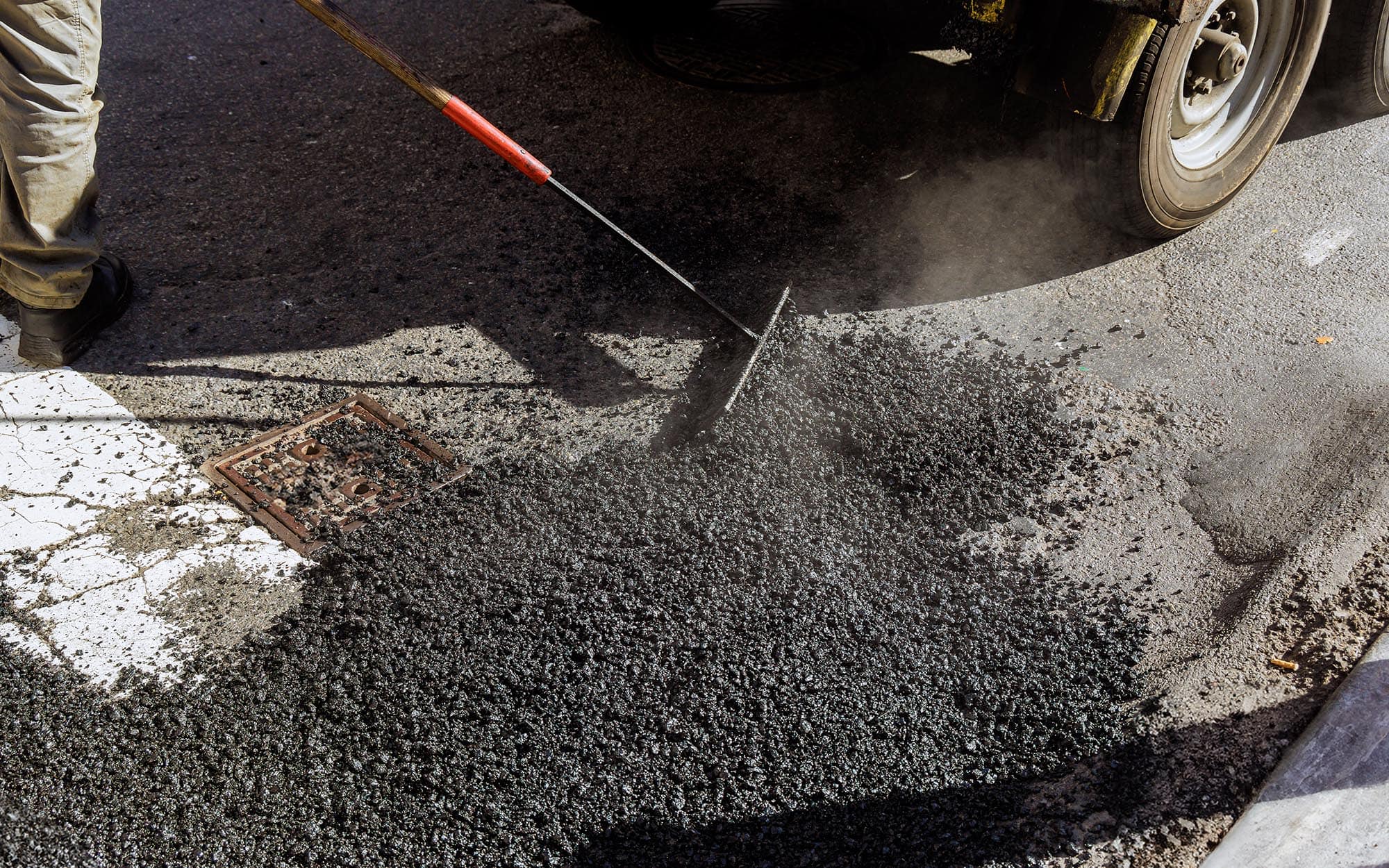 From scorching summers to icy winters, weather decides how well a resurfaced surface cures and how long it stays smooth. Fortunately, planning around the forecast can protect your investment and save future repair costs.
Learn more about the connection between asphalt resurfacing and weather here:
The Connection Between Resurfacing and Weather
Every asphalt resurfacing project has three key stages: placement, compaction, and curing. Weather shapes each one.
- Placement – Asphalt is delivered hot so it can level out before cooling. If outdoor temperatures are too low, the mix stiffens fast, making it hard to spread evenly.
- Compaction – Crews roll the surface to push out air and lock particles together. Warm, pliable asphalt compacts easily; cold, brittle material does not.
- Curing – After the rollers leave, asphalt keeps “setting” for days. Moisture, shade, or rapid temperature swings slow the chemical process that bonds the new layer in place.
When conditions aren’t right, the pavement may look fine at first but develop ruts, cracks, or potholes well before its time. You’re essentially betting against the weather, and the house often wins.
Extreme Heat: Fast Cures and Hidden Hazards
Warm weather is generally a friend to asphalt, yet triple-digit days add their own challenges.
Upsides of Summer Heat
- Longer Workability Window – High temps keep the mix supple, giving crews ample time to spread and compact it.
- Quick Turnaround – Hot surfaces cure faster, so driveways or parking lots reopen sooner.
- Tighter Bonds – Heat helps the binder coat every stone, producing a dense, durable mat.
Watch-Outs When the Mercury Spikes
- Surface Scuffing – Fresh pavement can get soft under extreme heat, leaving tire marks or footprints.
- Oil Bleed – Bitumen can rise to the top, creating a slippery sheen that shortens pavement life.
- Worker Safety – Crews may need extra breaks or nighttime shifts, which can limit project hours.
Protective tips: Schedule early-morning pours, keep vehicles off the surface for at least 24 hours, and use light sand or quick-set sealers if extremely hot days follow completion.
Cold Weather: Can You Resurface in Winter?
Technically, yes—but expect more hurdles than hoopla.
- Temperature Thresholds – Most contractors draw the line near 50 °F (10 °C). Below that, the mix cools too quickly to bond well.
- Limited Daylight – Shorter winter days shorten job windows. Work that drags into dusk risks uneven compaction and cold seams.
- Moisture Hazards – Frost, snow, or even dew can trap water between layers, leading to early delamination.
Crews can sometimes use heated tents or additives to lower workable temperatures, but costs rise quickly, and warranties often shrink. If the project isn’t urgent—say, a private driveway rather than a critical roadway—waiting for spring is the smarter call.
Rain and Humidity: Moisture’s Effect on Fresh Asphalt
Water is asphalt’s number-one enemy during curing.
- Scheduling Delays – Heavy rain can wash away tack coat, halt equipment, and saturate the base.
- Weakened Bonding – Even light drizzle cools the mix and dilutes the binder on the pavement’s underside.
- Surface Blemishes – Raindrops hitting hot asphalt leave shallow pits that collect dirt and water later on.
High humidity alone won’t ruin a project, but it slows evaporation. Crews need extra drying time, which can push completion out by a day or more.
What if a surprise shower hits?
Workers may pause rolling if rainfall is light and resume once the surface steams off. A downpour often means cutting, removing, and replacing the compromised area—an avoidable expense with a close eye on the forecast.
Freeze-Thaw Cycles: The Silent Asphalt Killer
Regions that bounce between freezing nights and sunny afternoons know this pain well. Moisture slips into the pavement’s pores, freezes, expands, and pops tiny cracks wider each time. Those hairline fractures soon invite more water—and the cycle continues.
Timing resurfacing ahead of winter helps seal out precipitation before it can infiltrate. If resurfacing must wait until fall, add a quick-dry sealcoat or crack filler before the first frost to buy precious months of protection.
The Best Seasons for Asphalt Work: Spring vs. Summer
Most property owners schedule resurfacing between March and September, yet each season has perks.
Spring: Moderate temps for steady curing, crews are less booked, ideal for repairing winter damage. Rain showers may cause brief delays; mornings can still be cool
Summer: Long, dry days speed up compaction and opening to traffic, with minimal risk of freeze-thaw. Peak demand can tighten schedules; extreme heat needs extra surface care
Regional Considerations
- Humid South – Afternoon thunderstorms pop up quickly; morning starts are vital.
- Dry Southwest – Rapid evaporation helps curing, but extreme heat may require a light surface dusting to prevent scuffing.
- Cold Midwest – Spring’s thaw can leave bases soggy; late spring to early summer is often safest.
Booking four to six weeks in advance lets you grab the best dates and gives you time to shift if the forecast turns. In general, seasonal asphalt resurfacing and scheduling resurfacing with weather in mind is a good plan.
Need resurfacing done right the first time? Explore our asphalt resurfacing services to secure a spot when weather conditions are at their best. Don’t wait—prime dates fill up fast.
Protecting Your Investment Year-Round
Resurfacing is step one; upkeep keeps the surface strong.
- Sealcoat on Schedule – A protective seal every two to three years shields against UV rays and water intrusion.
- Quick Crack Fixes – Repair hairline cracks before they widen. Hot-pour crack sealant is cheaper than patching.
- Prompt Drainage Checks – Clear gutters, downspouts, and nearby soil to steer water away from the pavement edge.
- Weight Management – Heavy trucks parked in the same spot can rut soft summer asphalt. Rotate parking areas when possible.
- Seasonal Sweepings – Remove leaves, salt, and debris that trap moisture or encourage surface breakdown.
Regular attention may feel small, but it adds years to pavement life and keeps big repairs off your calendar.
Quick Resurfacing Weather-Readiness Checklist
Use this five-step prep list before the crew rolls up:
- Confirm the Extended Forecast – Look for at least two consecutive dry, mild days.
- Clear the Work Area – Remove vehicles, plan alternate parking, and post signs if it’s a shared space.
- Check Drainage – Ensure nearby downspouts and curbs won’t funnel water onto fresh asphalt.
- Communicate With Neighbors or Tenants – Give everyone a heads-up so foot and vehicle traffic stays off the surface.
- Plan Post-Project Care – Keep heavy loads off for 24 hours, avoid sharp turns, and postpone sealcoating until the asphalt fully cures (usually 90 days).
A little foresight keeps surprises to a minimum and the finish line in sight.
Let’s Kick Off Your Resurfacing Project
Ready to time your resurfacing project for maximum asphalt durability and minimal hassle?
Reach out to the asphalt experts at Phillips Paving today. We’ll review your local climate, recommend the perfect project window, and handle every detail—from prep work to final sealcoat—so you get a surface built to outlast every season. Let’s protect your pavement and your budget, starting now.
How Asphalt Resurfacing Improves Safety
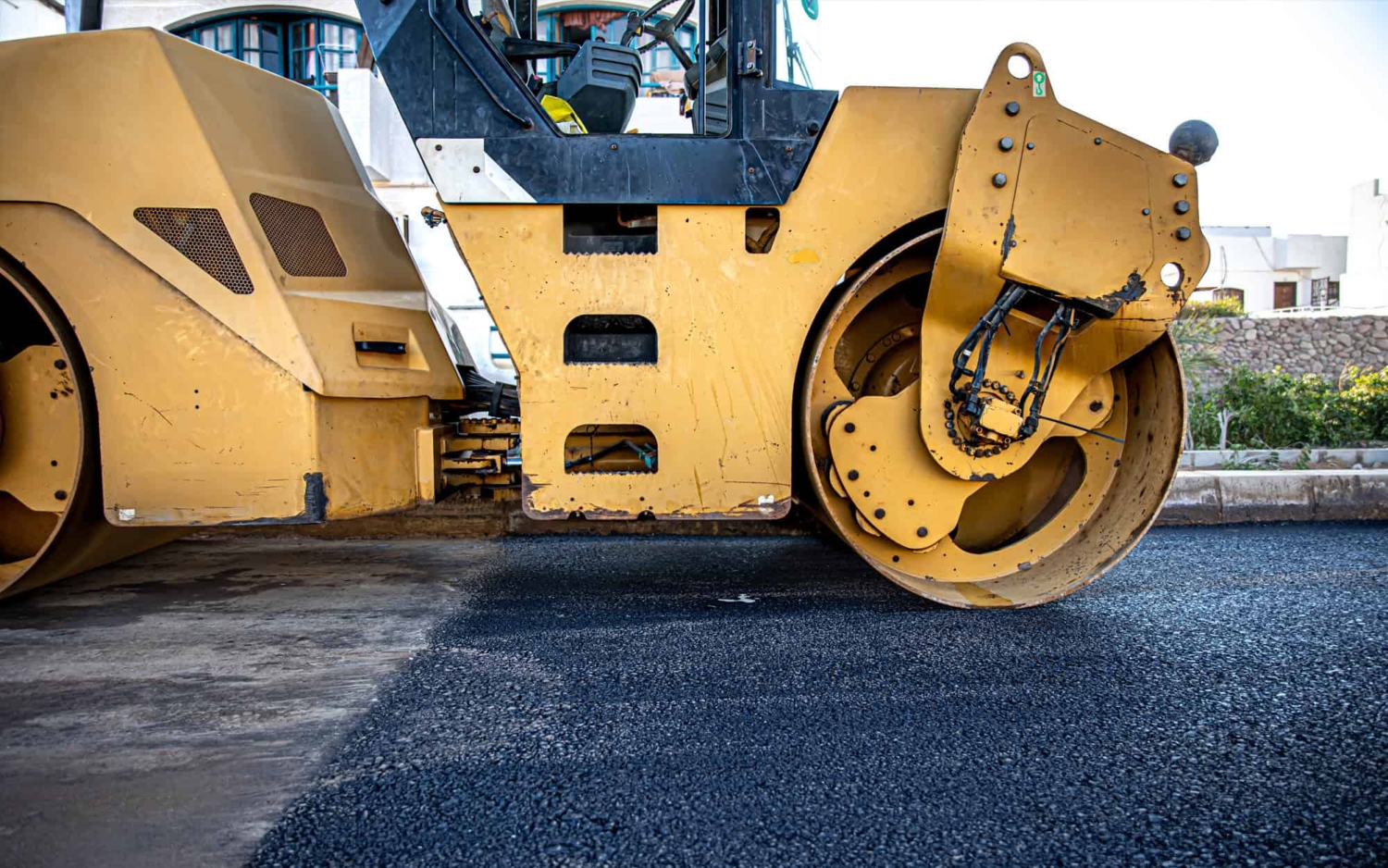 When people walk or drive onto your property, the ground beneath them is the last thing they should worry about. Cracked pavement, potholes, and faded markings aren’t just eyesores—they’re safety hazards. That’s where resurfacing for safety comes in. It’s not just about appearances. It’s about protecting your customers, employees, and your bottom line. Continue reading to explore how resurfacing improves safety, what dangers it eliminates, and why it’s a smart move for any business that values safety and liability prevention.
How Asphalt Resurfacing Improves Safety
Asphalt naturally deteriorates over time. Even the best-laid pavement wears down due to sun exposure, traffic, and weather. Resurfacing gives asphalt a second life—and, more importantly, makes it safe again.
The most immediate safety benefit of resurfacing is the elimination of uneven surfaces. Cracks, dips, and loose gravel can all lead to trips, slips, and falls. A smooth, uniform surface dramatically reduces these risks.
Before:
- Cracks that catch heels or tires.
- Uneven spots that cause trips.
- Potholes that damage vehicles and ankles.
After:
- Even pavement that guides people and vehicles safely.
- Improved appearance that signals professionalism.
Smooth pavement also makes cleaning and maintenance easier, keeping walkways and lots clear of debris and water.
Restoring Visibility for Safer Navigation
Over time, traffic markings fade, including parking space lines, directional arrows, pedestrian crossings, and more. Resurfacing allows you to repaint and redesign your layout, improving flow and safety.
Clear markings prevent:
- Parking lot confusion.
- Improperly parked vehicles.
- Accidents between cars and pedestrians.
For businesses that experience heavy vehicle traffic, fresh striping and signage help drivers and pedestrians navigate with confidence.
Common Hazards of Worn-Out Asphalt
Many of the hazards that lead to injuries or damage are entirely avoidable. But when pavement maintenance is delayed or overlooked, small surface flaws can escalate into major safety and financial concerns for business owners. It’s not just about cracks and potholes—it’s about the hidden risks they create for pedestrians, drivers, and anyone who uses your property.
Recognizing the Risks of Neglected Pavement
When asphalt is left to age without proper resurfacing, it becomes a significant safety threat. These common issues show how deterioration can quickly lead to danger:
Potholes
Potholes often start as small surface breaks but quickly grow with repeated rain, snow, and vehicle traffic. These craters can damage tires, misalign suspensions, and pose major pedestrian trip hazards. Businesses with pothole-ridden lots not only risk lawsuits, but they also send a message that safety isn’t a priority.
Large Cracks
Cracks in asphalt may seem minor, but they’re a gateway to deeper damage. Water enters through these fractures and erodes the layers below. When that water freezes, it expands, causing more damage. Left untreated, cracks can widen and form new potholes, creating a costly and dangerous cycle of deterioration.
Faded Striping
Worn-out or missing striping leads to disorganized traffic and confusion among drivers and pedestrians. Without clear guidance, vehicles may park in non-designated areas or miss important signage, increasing the chance of fender-benders, pedestrian accidents, and customer frustration. Fresh striping ensures safety, order, and ADA compliance.
Pooling Water
Standing water might seem harmless, but it presents serious hazards. In warm weather, it erodes asphalt. In cold weather, it freezes and forms ice patches that cause slips, falls, and car skids. Pooling also signals poor drainage and structural wear underneath the surface—issues that can dramatically shorten pavement life and raise repair costs.
Neglected pavement often results in a chain reaction of problems:
- Customer complaints that affect your reputation.
- Delivery delays and driver frustration.
- Higher liability exposure and insurance costs.
- Lawsuits stemming from injuries on your property.
Worn-out asphalt isn’t just a visual problem—it’s a safety liability. If you notice any of these signs on your lot or walkways, now is the time to act before the risk grows and costs multiply.
Reduce Pavement Hazards With Timely Resurfacing
Rather than waiting for an accident to happen, resurfacing for safety allows you to solve problems before they start. It’s a proactive solution that keeps your property safe and accessible.
When performed before major deterioration sets in, resurfacing can:
- Seal surface cracks and prevent water intrusion.
- Even out dips and low spots.
- Improve traction and drainage.
This isn’t just about a cosmetic upgrade but long-term safety. A regularly resurfaced surface stays stronger and lasts longer, offering property managers and business owners peace of mind.
Routine resurfacing is especially important in areas that experience high foot traffic, vehicle flow, or seasonal weather changes. These areas see faster wear and can become hazardous more quickly.
Liability with Resurfacing: Why It’s a Smart Business Decision
You could be held liable if someone slips, trips, or falls on your property due to a known hazard. A single incident can result in lawsuits, medical expenses, and reputational damage.
Minimizing Legal Risks by Maintaining Surfaces
By keeping your asphalt in top condition through regular resurfacing, you show a commitment to safety. That can go a long way in legal and insurance situations. Most importantly, it protects those who visit or work on your property.
Resurfacing helps you:
- Show due diligence and maintenance records.
- Avoid costly emergency repairs.
- Comply with safety and ADA regulations.
If your business depends on foot traffic or public access, staying ahead of potential liabilities is essential.
Protect your property and visitors by resurfacing for safety. Find the solutions your pavement needs from Phillips Paving. Contact Us
The Long-Term Benefits of Resurfacing for Safety
There’s more to resurfacing for safety than simply covering up surface damage. It’s a strategic, long-term investment that delivers real value to property owners by improving safety, performance, and visual appeal. The advantages extend far beyond the immediate repairs—resurfacing enhances the lifespan and reliability of your entire pavement system.
Benefits include:
- Lower maintenance costs over time by reducing the frequency of emergency patching and repairs.
- Extended lifespan of your pavement, often adding 8 to 15 years of service when done proactively.
- Improved curb appeal for customers and tenants, creating a clean, professional first impression that reflects well on your business.
- Greater customer confidence in your brand, especially when visitors see a well-maintained, hazard-free property.
- Reduced operational downtime from unplanned repairs, giving your business the reliability to operate smoothly without disruptions.
- Higher property value and lower risk exposure are important for long-term asset management.
Just as you wouldn’t ignore a leaky roof or a failing HVAC system, you shouldn’t overlook the importance of pavement maintenance. Resurfacing is one of the most effective ways to protect your investment, keep your site safe, and avoid the steep costs of preventable accidents or structural failures. When you evaluate the full picture—maintenance, risk, and reputation—resurfacing becomes not just a smart option, but an essential one.
Why Phillips Paving Is the Safer Choice for Resurfacing
At Phillips Paving, we believe that great paving starts with safety. That’s why we approach every project focusing on preventing hazards and ensuring smooth, reliable results. If your lot or walkway shows signs of wear, it’s time to act. Don’t wait for an accident to happen. Let Phillips Paving show you how resurfacing for safety can reduce your risk and improve your space. Contact us today to discover asphalt solutions that enhance the safety of your property.
Residential Asphalt Resurfacing: Adding Value to Your Driveway Without Breaking the Bank
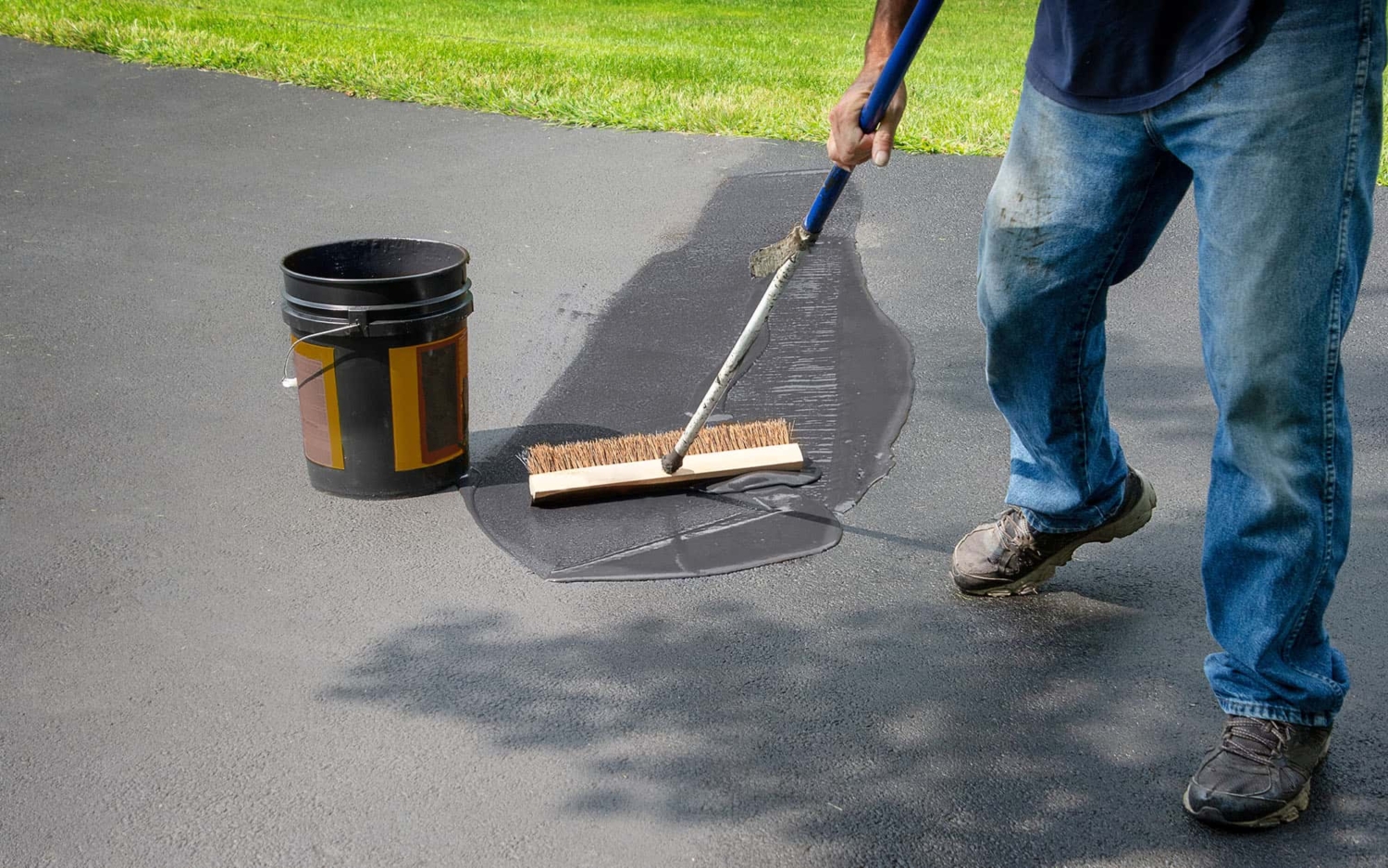 If your driveway is cracked, faded, or uneven, you’re not alone. Many homeowners look for affordable ways to boost their property’s curb appeal. That’s where residential asphalt resurfacing comes in. It’s a cost-effective way to make your driveway look new again, without needing a full replacement.
Continue reading to explore how resurfacing works, its average costs, and how it compares to replacing your driveway. We’ll also share tips on maintaining your driveway and keeping it looking great for years.
Why Homeowners Choose Driveway Resurfacing Over Replacement
Driveway damage, such as small cracks, fading surfaces, and other issues, can quickly become out of your control, causing your driveway to become an eyesore. Many homeowners assume the only option is tearing it out and starting over, but that’s not always necessary.
Resurfacing involves applying a fresh asphalt layer over your existing driveway without removing the entire structure. It’s a smart and efficient way to deal with common issues like surface cracks, fading, and minor unevenness without taking on the cost and disruption of a full replacement. This method revitalizes the surface and gives it that deep black, clean finish that dramatically improves curb appeal.
Beyond looks, resurfacing enhances the structure’s performance. It adds a durable new layer that strengthens the existing surface and provides a smoother, safer area for walking, biking, or driving. The new top layer bonds to the existing surface, helping seal in older issues and prevent them from getting worse.
Faster Installation With Less Disruption
Most resurfacing projects can be completed in just one or two days, minimizing the disruption to your daily routine. There’s no need for heavy demolition or lengthy construction—just a clean, fast process that gets your driveway looking like new.
Enhanced Curb Appeal and Property Value
A resurfaced driveway instantly improves the look of your home. The fresh, dark finish of new asphalt signals that your property is well cared for. Whether you plan to sell or just want to make a great impression, curb appeal matters—and resurfacing delivers.
Improved Surface Durability and Safety
Resurfacing creates a smooth, even surface that’s more comfortable for walking and driving. It also reduces the risk of trips, slips, and falls by eliminating cracks, dips, and loose gravel. A solid surface is safer for kids playing, visitors parking, and homeowners navigating their own driveways every day.
Resurfacing can add years of life to your driveway, all while giving your home a polished, professional look without the stress or high expense of full replacement.
Lower Cost Than Full Replacement
Resurfacing is significantly more affordable than tearing out and rebuilding your driveway. By using the existing base, you save on labor, materials, and disposal fees. This makes residential asphalt resurfacing an ideal choice for homeowners looking to improve curb appeal on a budget.
Comparing Costs: Resurfacing vs. Replacement
One of the biggest advantages of residential asphalt resurfacing is its cost. While prices vary by region and driveway size, resurfacing typically costs between $3 and $7 per square foot. Full replacement? That can run $8 to $15 per square foot.
A 600-square-foot driveway, for example, might cost:
- $1,800–$4,200 for resurfacing
- $4,800–$9,000 for full replacement
Replacement also involves demolition, disposal of old materials, potential excavation, and a longer construction timeline. These factors add to both cost and inconvenience.
That said, full replacement may be necessary when the driveway’s foundation is compromised. Issues like deep potholes, major drainage problems, or multiple past repairs often indicate that a full teardown and rebuild is the safer long-term investment.
Knowing the differences between resurfacing and replacement can help you make a smart choice based on your driveway’s current condition and your budget goals. A professional assessment can also help you determine which option is best for your property.
Asphalt Solutions for Homeowners on a Budget
You don’t need to spend thousands to improve your property. Asphalt resurfacing offers a high-impact improvement at a reasonable cost. But how do you know if resurfacing is right for you?
Signs You’re a Good Candidate for Resurfacing
Resurfacing is a great option if:
- Your driveway has surface cracks, but the base is still solid
- You’re seeing fading, unevenness, or weather damage
- You want to improve the look of your home without overspending
If your driveway has major potholes, deep cracks, or drainage issues, replacement might be necessary. But in most cases, resurfacing is enough to restore your driveway’s function and appearance.
Don’t wait for cracks to grow or curb appeal to fade. Phillips Paving offers residential asphalt resurfacing that can add value to your home without breaking the bank. Contact Us
The ROI of Residential Asphalt Resurfacing
While it’s hard to pinpoint the exact dollar amount resurfacing adds to your home, homeowners can often recoup up to 50 to 75% of the project cost in added value. Plus, it helps you avoid potential buyer concerns over needing major repairs.
Investing in your driveway now can help your property sell faster and for more when the time comes.
Making the Most of Your Budget
Here’s how to maximize your investment:
- Choose a trusted local contractor
- Request multiple quotes and compare services
- Schedule resurfacing during off-peak seasons for better pricing
Resurfacing gives you the professional finish you want without the sticker shock.
How to Keep Your Investment Looking Great
One of the best things about residential asphalt resurfacing is that it extends your driveway’s lifespan. But to get the most from your investment, a little maintenance goes a long way.
After your resurfacing project is complete:
- Avoid heavy vehicles for 48 to 72 hours
- Sealcoat the surface every 3 to 5 years
- Keep it clean and free of debris
- Fill new cracks as soon as they appear
With proper care, your resurfaced driveway can last 8 to 15 years. That’s a strong return for a relatively small investment.
Enhance Your Asphalt With Resurfacing From Phillips Paving
At Phillips Paving, we bring decades of experience and a commitment to quality that homeowners trust. Our team will assess your driveway, explain your options, and provide affordable solutions tailored to your needs. Contact us today to get started with our asphalt services.
The Lifespan of Asphalt Resurfacing: What You Need to Know
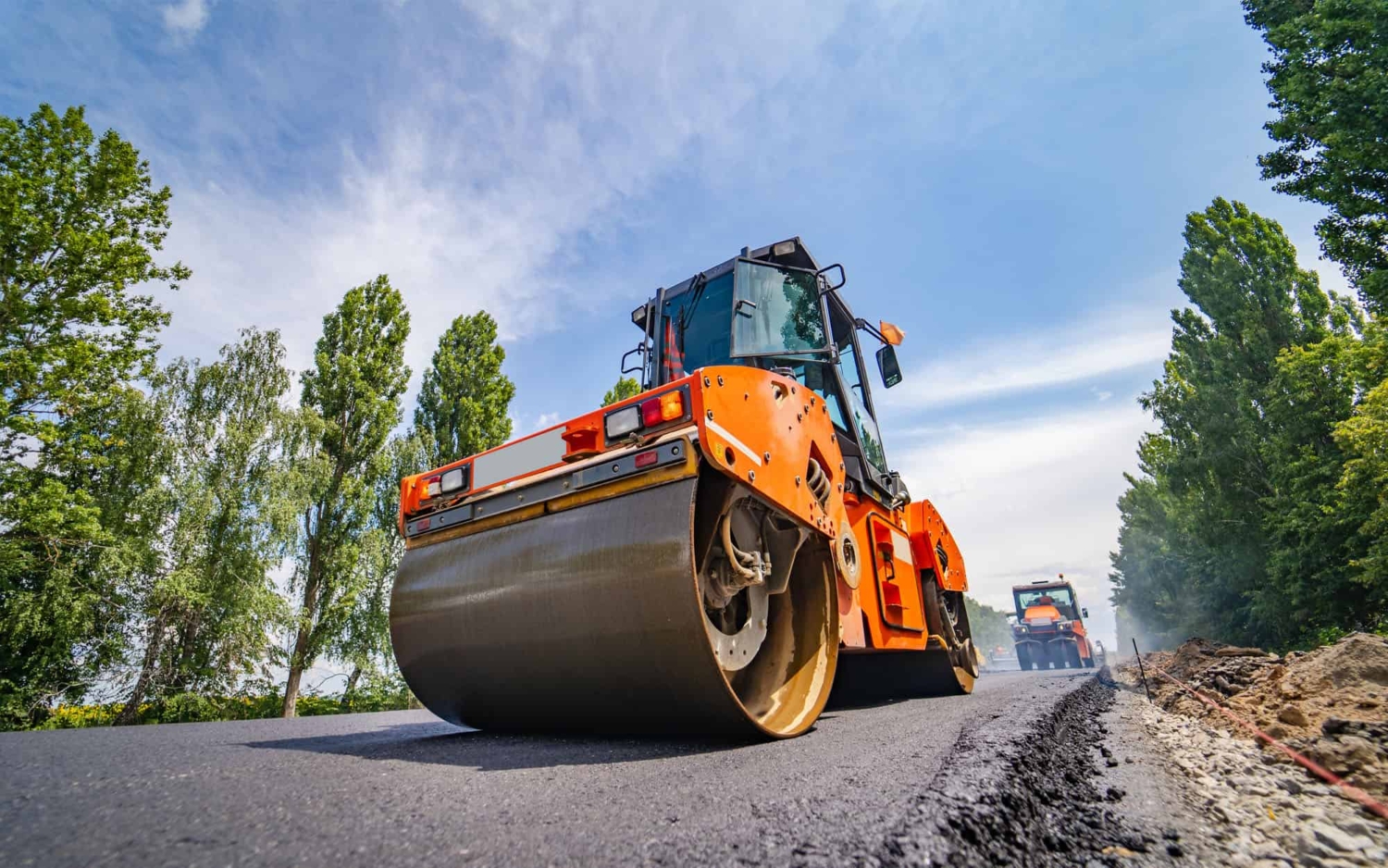 If you’re thinking about resurfacing your driveway or parking lot, one of the most common questions is: How long will it last? The lifespan of asphalt resurfacing typically ranges between 8 and 15 years. The wide range depends on several factors, like how often the surface is used, the local weather, and the quality of materials used in the project.
Continue reading to learn what affects asphalt longevity, how to protect your investment, and when resurfacing is a better choice than full replacement.
Understanding the Lifespan of Asphalt Resurfacing
Most resurfaced asphalt surfaces can last a decade or more when installed correctly and properly maintained. But not all projects are the same. Asphalt’s lifespan is directly influenced by the conditions it’s exposed to daily.
Many elements come into play, from the thickness of the resurfaced layer to the base underneath. Understanding these can help you make smart decisions as a property owner.
Factors That Affect Asphalt Durability
The durability of a resurfaced asphalt surface depends on various environmental and physical factors. Knowing what influences your surface’s performance can help you better plan for care and future maintenance. Let’s explore the most important factors that impact how long your resurfacing will last.
1. Climate and Weather Conditions
Hot summers and freezing winters can both take a serious toll on asphalt. The pavement can soften and become more vulnerable to wear in warmer regions, especially under heavy loads. In colder climates, freezing temperatures cause water inside cracks to expand, creating larger fractures and accelerating deterioration. Repeated freeze-thaw cycles are particularly harsh on resurfaced asphalt. Moisture, in general, is a critical issue; water that infiltrates through cracks and settles into the base can weaken the structure beneath the surface and lead to premature failure.
Regular exposure to the elements without protection from seal coating or other preventative treatments will greatly reduce the length of time the asphalt remains in good shape. Property owners in extreme climates should be especially diligent about maintenance.
2. Traffic Load and Usage
The type and volume of traffic using your pavement daily play a major role in determining its lifespan. Surfaces that bear mostly foot traffic or light passenger vehicles tend to last longer than those supporting constant pressure from delivery trucks, construction equipment, or other heavy-duty vehicles. The more weight your asphalt supports, the quicker it wears down.
For example, residential driveways used by a few vehicles daily can often last 15 years. On the other hand, busy commercial lots, especially those used by service vehicles or large trucks, might need attention much sooner. The turning, braking, and acceleration frequency also stresses the surface.
3. Quality of Materials and Workmanship
The quality of the materials used and the skill of the paving crew are two of the most critical elements in ensuring your resurfaced asphalt lasts as long as possible. Some asphalt mixes are engineered for durability and flexibility, while others may break down faster under pressure. Proper installation methods, like ensuring the right thickness and thorough compaction, are just as important.
Suppose shortcuts are taken during the resurfacing process, such as applying a too-thin layer or failing to repair cracks and potholes beforehand. In that case, the surface may look fine at first but begin to deteriorate quickly. Hiring a professional paving company that uses top-tier materials and proven methods is essential to maximizing performance.
These three key areas, weather exposure, traffic use, and installation quality, are the foundation of asphalt durability. When understood and managed properly, they can significantly influence the longevity of your resurfacing investment.
Prolong Asphalt Longevity With Routine Maintenance
You don’t just install asphalt and forget it. Regular attention is needed to keep it in good shape, like any important investment. Even a well-installed surface can wear out much faster than expected without upkeep. But the good news is that with a few simple maintenance steps, you can prolong asphalt performance and keep your paved surfaces strong, safe, and great-looking for years to come.
Here are some of the most effective ways to protect your resurfaced asphalt:
- Sealcoating should be done every three to five years to shield the surface from water, harsh sunlight, chemicals, and oils that can break down the surface over time.
- Crack filling to seal any openings where water can enter and cause damage to the layers underneath.
- Sweeping and cleaning the surface on a regular basis to clear away dirt, debris, and loose gravel that can weaken the pavement or hide early signs of trouble.
- Edge maintenance to prevent crumbling and erosion along the sides of your pavement.
- Timely repairs for small issues before they grow into bigger, costlier problems.
By making these practices part of your regular maintenance routine, you can extend the lifespan of asphalt by several years. Not only does this save you money on future repairs or replacement, but it also keeps your property looking sharp and professional in the eyes of visitors, customers, or guests.
When to Resurface vs. Replace Asphalt
Sometimes, resurfacing isn’t the right option. So, how do you know when replacement is the better route? It comes down to the base layer’s condition and the damage depth
Choose resurfacing if:
- The surface is mostly intact but has cracks or worn areas.
- The foundation underneath is stable and hasn’t shifted.
- You’re looking for a cost-effective way to improve looks and function.
Choose full replacement if:
- There are widespread potholes, deep cracks, or sinking spots.
- The base has failed or shows signs of drainage issues.
- You’ve resurfaced the same area before, and problems have returned.
Knowing the difference helps you make smarter long-term decisions about your paving needs and extend the lifespan of asphalt.
Make the right paving decision with Phillips Paving. Our asphalt resurfacing can add years to your pavement.
Planning for Longevity: What Businesses and Homeowners Should Know
Thinking ahead is key to getting the most out of your resurfaced asphalt. For businesses, well-maintained pavement shows customers you care about details and helps avoid unexpected repairs that could disrupt operations.
For homeowners, a clean, crack-free driveway adds curb appeal and saves you money over time. Knowing the expected lifespan of asphalt helps with budgeting and maintenance planning, whether you’re paving a parking lot or a front path.
Why Phillips Paving Is the Smart Choice for Enhancing the Lifespan of Asphalt
We don’t just resurface at Phillips Paving—we set you up for long-term success. Our crews use high-quality materials and proven methods and offer maintenance plans to help extend the life of your investment. Contact us today to discover how our general and commercial asphalt paving services can keep your pavement pristine.
Eco-Friendly Asphalt Resurfacing: How It’s Done and Why It Matters
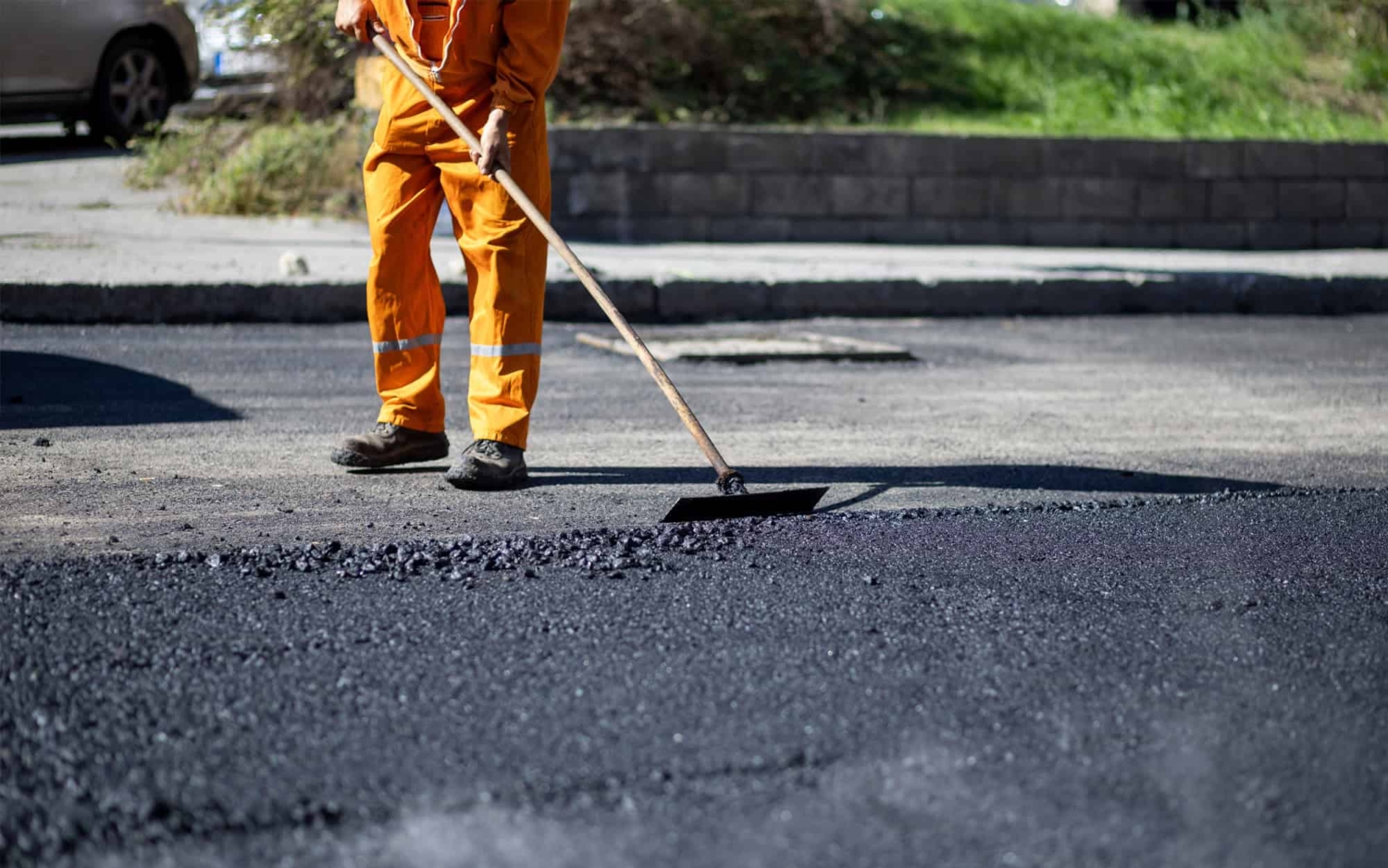 Caring for the environment is more important than ever, and businesses are looking for ways to be more eco-friendly. One powerful way to make a positive impact is through asphalt resurfacing. By recycling materials, cutting emissions, and using better paving solutions, companies like Phillips Paving are helping property owners go green while still getting the best results. Keep reading to learn why eco-friendly asphalt resurfacing is a smart choice and how it compares to traditional paving methods.
What Makes Asphalt Resurfacing Eco-Friendly?
Eco-friendly asphalt resurfacing focuses on reducing pollution and saving natural resources while creating durable, attractive pavement. Companies use special techniques and materials to make the process greener and more efficient. But what exactly makes this process better for the planet?
1. Recycling Asphalt Materials
One of the best ways to help the environment is by recycling. Old asphalt can be broken down, crushed, and reused to make new pavement. This is called Reclaimed Asphalt Pavement (RAP). Recycling asphalt means we don’t have to dig up as many new materials, keeping asphalt waste out of landfills.
Using recycled asphalt also means using less energy and releasing fewer harmful gases into the air. Even better, recycled asphalt works just as well as new asphalt. It’s strong, lasts a long time, and looks great. Plus, it helps lower construction costs, making eco-friendly paving affordable and practical.
2. Reducing Emissions
Companies that resurface asphalt often use machines and methods that produce pollution. But now, better techniques like Warm Mix Asphalt (WMA) help lower the temperature needed to mix and lay asphalt. This saves energy and releases fewer pollutants into the air, making resurfacing projects much better for the environment.
Warm Mix Asphalt uses up to 50% less energy than traditional methods, making it an excellent option for eco-friendly resurfacing. It also helps keep the air cleaner by releasing fewer greenhouse gases, making it safer for workers and the community.
3. Using Safer Paving Solutions
Eco-friendly paving solutions are designed to be gentle on the environment. They use water-based sealants and non-toxic materials to create surfaces that are strong, durable, and safe for the planet.
Low-impact sealants are less harmful to the soil and water around your property. By using these safer materials, paving companies help protect wildlife and local ecosystems. These solutions make surfaces last longer, meaning less maintenance and lower costs over time.
How Does Recycled Asphalt Compare to New Materials?
You might wonder if using recycled asphalt means getting something that’s not as good. But the truth is that recycled asphalt is very durable and has many of the same benefits as new asphalt. It’s even better in some ways because it’s more flexible and lasts longer.
Using recycled asphalt can also save you money. The resurfacing cost is often lower since the materials are already processed. And because it provides the same quality finish, you don’t have to worry about sacrificing durability for sustainability.
Recycled asphalt also helps prevent harmful materials from entering the environment. By reusing old pavement, companies reduce the need for mining and processing new resources, making the entire process more eco-friendly.
Is Eco-Friendly Resurfacing More Expensive?
People often think that eco-friendly options are more expensive. However, eco-friendly asphalt resurfacing usually costs about the same as regular resurfacing. Since companies use recycled materials and energy-saving methods, costs stay low.
In the long run, choosing eco-friendly resurfacing might save you money. It lasts longer and needs less maintenance, so you spend less over time. Going green can be a smart choice for your budget and the environment.
Eco-friendly asphalt resurfacing offers a win-win situation. You get high-quality pavement that lasts while also doing something good for the planet. It’s a great way to improve your property’s curb appeal and show customers that you care about the environment.
Boost curb appeal and lower your carbon footprint with asphalt resurfacing from Phillips Paving. Contact Us
Common Misconceptions About Eco-Friendly Asphalt Resurfacing
Some people worry that eco-friendly asphalt resurfacing might not be as strong or durable as traditional methods. Others believe it’s more expensive or complicated. However, these concerns are mostly myths. Recycled asphalt is just as reliable as new materials, providing a strong, high-quality surface that lasts for years. And while eco-friendly resurfacing might sound expensive, it often costs the same or even less than traditional options due to reduced material costs and energy savings.
Additionally, using eco-friendly techniques can simplify the process. Warm Mix Asphalt, for example, is easier to apply because it uses lower temperatures, which means less energy is needed, and projects can be completed more quickly. Understanding these facts can help property owners feel confident about choosing sustainable paving options.
Why Eco-Friendly Asphalt Resurfacing Matters
Choosing eco-friendly resurfacing isn’t just good for the planet—it’s good for your business, too. When you choose eco-friendly resurfacing, you show people you care about the environment. Plus, you still get all the asphalt benefits of strong, long-lasting surfaces.
Using recycled asphalt, reducing harmful emissions, and following smart asphalt practices are all steps toward a greener future. And the best part? You don’t have to give up quality or looks to make a positive impact.
How Phillips Paving Provides Eco-Friendly Benefits for Your Business
At Phillips Paving, we care about the environment and want to help your business do the same. Our eco-friendly paving solutions are made to lower pollution and waste while still giving you the best asphalt resurfacing services. Here’s how we do it:
- Recycling Experts: We use Reclaimed Asphalt Pavement (RAP) to reduce waste and lower pollution.
- Energy-Efficient Techniques: We use Warm Mix Asphalt (WMA) to save energy and release less pollution.
- Safe Materials: We use water-based sealants and other gentle materials on the environment.
When you choose Phillips Paving for your eco-friendly resurfacing, you help the planet without giving up quality. It’s easy to go green and still get top-quality asphalt that lasts.
Choose Phillips Paving for Eco-Friendly Resurfacing Solutions
By choosing Phillips Paving, you’re picking a company that cares about the environment and wants to help your business reach its green goals. Our team of experts is ready to make your property look great and function even better. Contact us today to discover how our commercial asphalt services can help your business!